
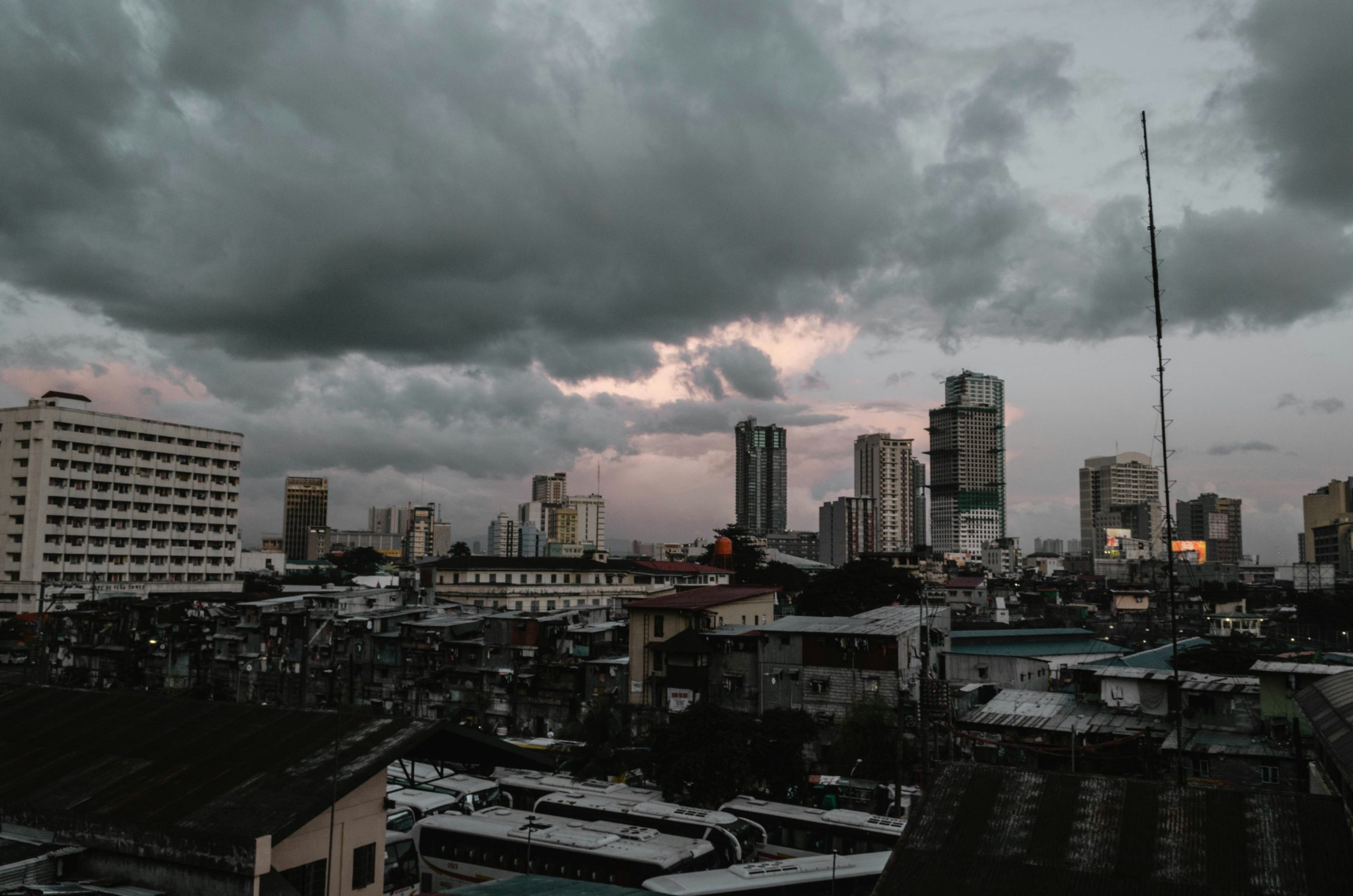
The Philippines enters November with shorter days and thicker clouds—a quiet seasonal shift that reduces natural UVB exposure and may impair vitamin D production in the skin.
According to Weather Atlas, Manila’s average day length in November is 11 hours and 28 minutes, with sunrise at around 5:51 a.m. and sunset near 5:27 p.m.—a noticeable drop from the nearly 13-hour days during peak summer months. Sunshine duration is even lower at roughly eight hours per day, reflecting frequent cloud cover, haze or rain.
This matters because national nutrition surveys already show widespread vitamin D inadequacy among Filipinos. According to the Department of Science and Technology–Food and Nutrition Research Institute (DOST-FNRI), one in 10 Filipino children aged 6 to 12 is vitamin D-deficient, and nearly half have insufficient levels. Among adults, analysis of the 2013 National Nutrition Survey found that almost half had low vitamin D, with the highest prevalence in the National Capital Region.
READ: The Mood-Boosting Power of Food: A Holiday Survival Guide
Globally, vitamin D deficiency is also described as a major public-health problem. A 2023 pooled analysis of 7.9 million people from 81 countries estimated that 47.9% of the world’s population has vitamin D levels below 50 nmol/L.
Health experts warn that insufficient vitamin D affects bone health, mood, energy levels, immunity and cognitive performance. With November’s dimmer skies and the Philippines entering indoor-heavy holiday routines, the season offers timely context for increased awareness.
Shorter days, more clouds: November’s sunshine deficit
In November, the quality of sunlight subtly changes. Days remain warm, but the sun sits lower; afternoons end earlier; and more time is spent under grey monsoon skies or inside air-conditioned offices, malls and transport terminals.
Although Manila still experiences about 11½ hours between sunrise and sunset, a substantial portion of that light is filtered through clouds, haze or rain. In tropical countries, this seasonal dip matters because the body’s main source of vitamin D is not food but bare skin exposed to UVB rays. Only 10–20% of vitamin D typically comes from diet.
Factors such as cloud cover, air pollution, skin pigmentation, clothing and indoor lifestyles all influence how much UVB reaches the skin. And in November, when more people stay indoors due to rain and holiday activities, Filipinos may be producing noticeably less vitamin D without realizing it.
Evidence of rising vitamin D inadequacy in the Philippines
Philippine data increasingly challenge the belief that tropical sunlight protects populations from deficiency.
DOST-FNRI’s analysis of the 2018 Expanded National Nutrition Survey found that 10.3% of children aged 6–12 were vitamin D-deficient, while almost half were insufficient. Urban children and girls were more likely to have low vitamin D levels, likely due to indoor lifestyles and limited outdoor time.
Among adults, a study based on the 2013 National Nutrition Survey reported that 48.7% had low vitamin D, with levels lowest in the National Capital Region. Women were more affected than men, and adults aged 20–39 showed the highest prevalence.
Smaller local studies echo these findings, including school-based assessments showing more than 40% of students with hypovitaminosis D.
Globally, patterns are similar, with nearly half of the world’s population showing insufficient levels. November’s cloudier skies do not cause the problem, but they can worsen already borderline status among Filipinos.
Links to mood, cognition and immunity
Vitamin D supports more than bone health.
Mood and depression
Large meta-analyses have found that people with low vitamin D levels have significantly higher odds of depression. Vitamin D receptors are present in brain regions involved in mood regulation, and vitamin D plays anti-inflammatory roles that may partly explain the connection.
Cognition and fatigue
Reviews show that low vitamin D is linked to concentration difficulties, slower thinking and persistent tiredness. Chronic deficiency can also contribute to muscle weakness.
Immunity
Vitamin D helps regulate immune responses. Some meta-analyses show modest reductions in respiratory infections with supplementation, especially in people who are severely deficient, though more recent studies show mixed results.
Overall, vitamin D is not a cure-all, but inadequacy may worsen mood, cognition and immunity, particularly during darker months.
Who is most at risk in the Philippine context?
Those most at risk are often those who see the least sun:
Urban indoor workers: Employees who enter and leave work in the dark during November–December.
Children and adolescents: High gadget use and after-school indoor time.
Women and darker-skinned individuals: Higher deficiency rates due to sun-avoidance, clothing and melanin’s effect on UVB absorption.
Older adults and the chronically ill: Reduced skin production capacity and limited outdoor activity.
With November’s shorter days and thicker clouds, many vulnerable groups may shift from insufficient to deficient levels.
What Filipinos can do this November and beyond
Public-health experts recommend simple, evidence-based steps:
Take short “sunlight micro-breaks.”
Around 10–15 minutes of direct sun to arms and legs several times per week, ideally mid-morning or mid-afternoon.
Include vitamin D-rich foods.
Fatty fish (sardines, galunggong, bangus, mackerel, salmon), egg yolks and fortified milk.
Be mindful of indoor lifestyles.
Shift schedules, indoor weekends and high-rise living limit UVB.
Balance sun safety and sun exposure.
Brief unprotected exposure followed by sunscreen or shade is generally recommended.
Consider supervised supplementation.
Particularly for confirmed deficiency or chronic illness. Many guidelines suggest 600–800 IU per day for adults, under medical guidance.
READ: These Nutrients Can Strengthen Aging Bones
Limitations, caveats and physician guidance
Most strong associations come from observational studies, not proof of causation. Randomized trials show mixed and often modest effects on mood or respiratory infections. Excessive supplementation can cause vitamin D toxicity.
Symptoms like depression, fatigue and recurrent infections are multi-factorial. Vitamin D is one modifiable factor—not a stand-alone solution.
A seasonal reminder
As the Philippines enters November, shorter days, thicker clouds and indoor holiday routines quietly reduce natural sunlight—the body’s primary source of vitamin D. With national surveys already showing widespread deficiency and insufficiency, the season serves as a timely reminder to step outside, look up and let a little safe sunshine in.