
With insights from Dr. Jon Atacador, Breast Surgeon
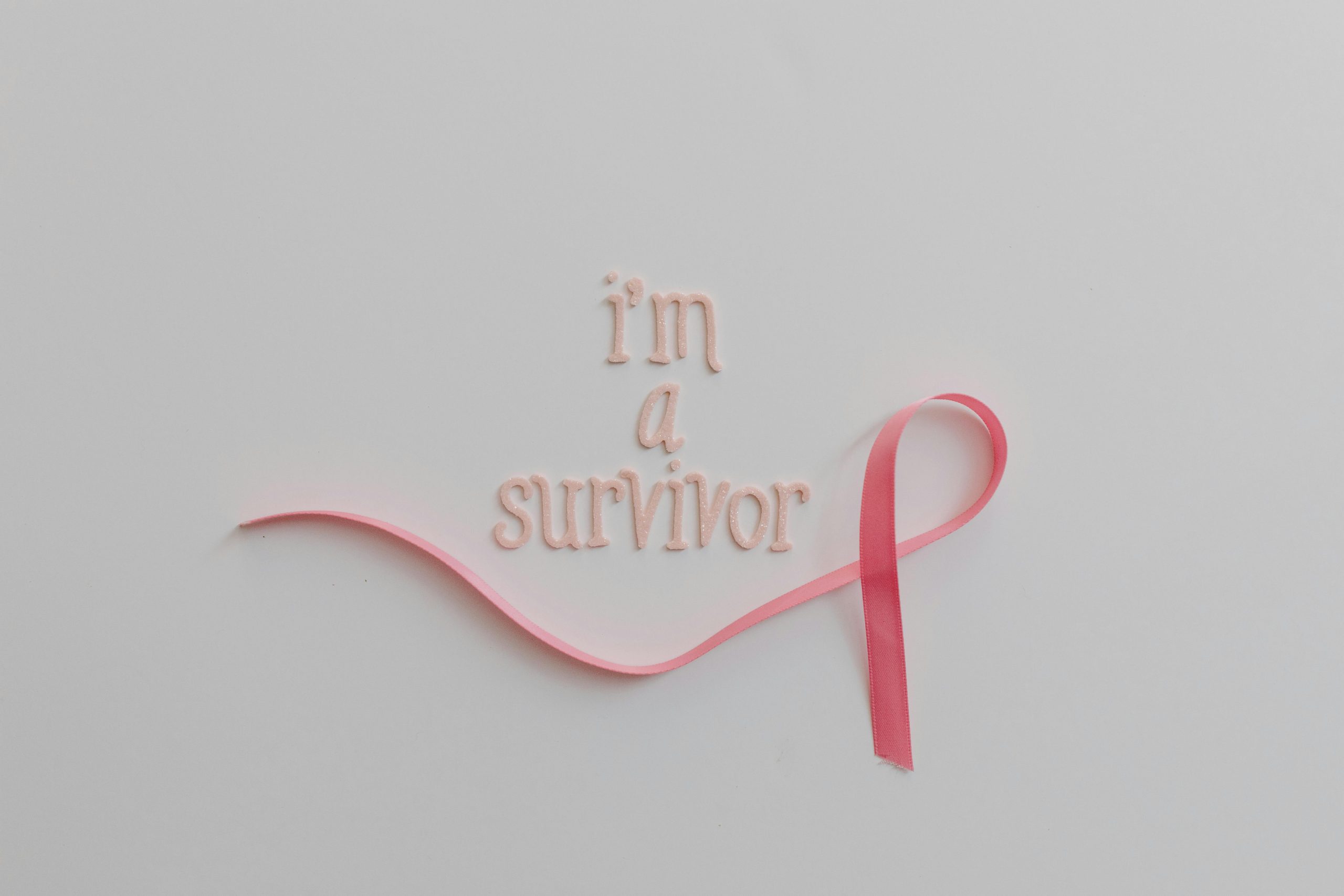
Surviving breast cancer is not the end of the journey — it’s the beginning of a new chapter.
Many women describe life after treatment as a mix of gratitude, uncertainty, and rediscovery.
Learning how to take care of your body, manage lingering effects, and find emotional balance can help you not just survive, but truly thrive.
In this final article of our Breast Cancer Awareness series, Dr. Jon Atacador shares practical tips on how to live well after breast cancer, embrace survivorship, and move forward with strength and hope.
Redefining “Survivorship”
“Survivorship is not just about being cancer-free,” says Dr. Atacador. “It’s about finding meaning, health, and joy in the life that follows.”
The survivorship phase begins after active treatment ends. It includes ongoing medical care, emotional healing, and lifestyle adjustments aimed at long-term wellness.
1. Continue Regular Checkups
Even after successful treatment, follow-up care is essential.
Your doctor will schedule periodic visits that may include:
- Physical exams (every 3–6 months in the first few years)
- Mammograms or imaging on the remaining breast or chest wall
- Blood work or scans, if needed based on symptoms
- Medication reviews (especially if on hormonal therapy)
Keep a record of your treatment summary and share it with any new healthcare providers you see.
“Follow-ups allow us to catch recurrences early — and reassure you when everything’s fine,” Dr. Atacador explains.
2. Prioritize Physical Wellness
Rebuilding strength and stamina after cancer treatment takes time, but it’s achievable.
Move Your Body
Start with light activities like walking, yoga, or swimming. Gradually build up to moderate exercise for 30 minutes, five days a week.
Exercise reduces fatigue, improves mood, and lowers recurrence risk.
Eat for Healing
Focus on a plant-forward diet rich in fruits, vegetables, whole grains, and healthy fats.
Limit processed foods, alcohol, and sugary drinks.
“Nutrition remains your ally long after treatment,” says Dr. Atacador. “Eat clean, eat colorful, and eat mindfully.”
Get Enough Rest
Your body repairs itself during rest. Aim for 7–8 hours of sleep per night, and take short naps when needed.
3. Care for Your Emotional Health
Emotional recovery is as vital as physical healing.
Many survivors experience mixed feelings — relief, anxiety, or fear of recurrence.
Here’s how to cope:
- Join a support group to connect with other survivors.
- Talk openly with friends and family about how you feel.
- Consider counseling for anxiety, depression, or trauma.
- Practice mindfulness, journaling, or prayer to calm your mind.
“Healing the heart takes longer than healing the wound,” Dr. Atacador reminds. “And that’s perfectly okay.”
4. Reclaim Confidence and Body Image
Body changes after surgery or treatment — scars, asymmetry, or hair loss — can affect self-esteem.
Options like breast reconstruction, prosthetics, and cosmetic tattooing can help you feel more comfortable.
You might also find strength in redefining beauty for yourself.
Celebrate your resilience — you’ve fought, endured, and survived.
5. Relationships and Intimacy
Cancer can shift relationship dynamics. Open communication with your partner is key.
Discuss body image, libido changes, or emotional needs honestly and without shame.
If needed, ask your doctor for a referral to a counselor or sex therapist experienced in oncology care.
6. Plan for the Long Term
Breast cancer survivors benefit from creating a personal wellness plan that includes:
- Annual health screenings (pap smear, colonoscopy, cholesterol checks, etc.)
- Ongoing hormonal or targeted therapy (if prescribed)
- Preventive vaccines and general health maintenance
- Financial and career planning, if treatment caused interruptions
“Survivorship is an active process,” says Dr. Atacador. “It’s about designing a healthy, joyful life going forward.”
7. Support Systems for Survivors in the Philippines
Several organizations offer continuous support and empowerment for survivors:
- ICanServe Foundation – awareness, mentoring, and advocacy programs
- Philippine Foundation for Breast Care (Kasuso Foundation) – emotional support and assistance
- Cancer Warriors Foundation – family support and medical aid
- Local hospital-based survivor clubs — such as those in The Medical City and St. Luke’s
“No survivor should feel alone,” says Dr. Atacador. “Community helps turn recovery into rediscovery.”
8. Giving Back
Many survivors find purpose in helping others — by sharing their story, joining awareness events, or volunteering.
Your experience can inspire others to get screened early or seek treatment without fear.
“You are not just a survivor,” Dr. Atacador concludes. “You are a beacon of hope.”
Do you feel like you need to get your breasts checked? Contact Dr. Jon Atacador through his Facebook page and schedule your consultation or check up today.
References
- American Cancer Society. Life After Treatment for Breast Cancer.
- Mayo Clinic. Breast Cancer Survivorship: Care and Lifestyle Tips.
- Johns Hopkins Medicine. Breast Cancer Recovery and Follow-Up Care.
- Healthline. How to Thrive After Breast Cancer.
- World Health Organization (WHO). Cancer Survivorship and Long-Term Care.
- ICanServe Foundation. Support for Breast Cancer Survivors in the Philippines.