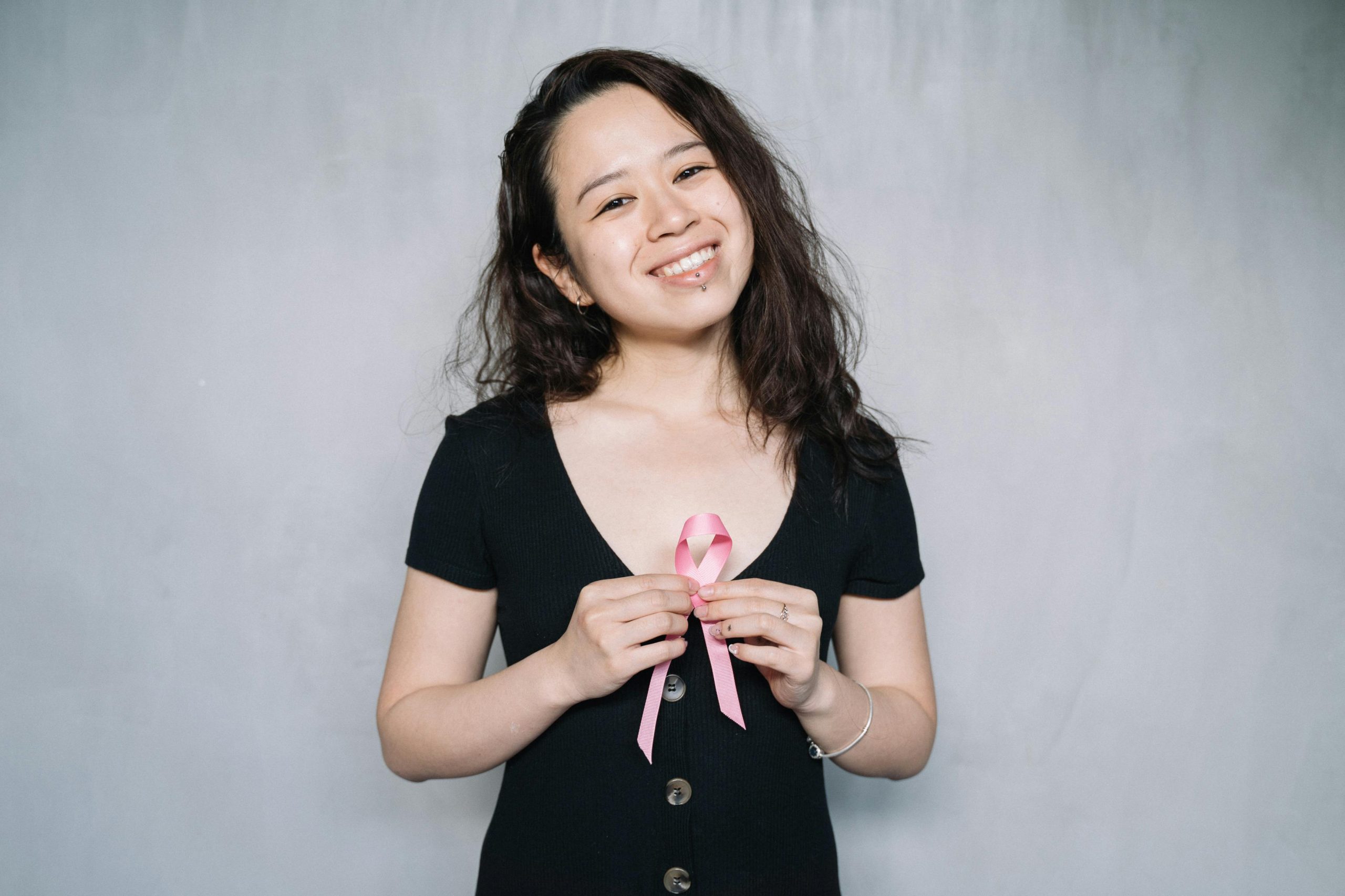
With insights from Dr. Jon Atacador, Breast Surgeon
The food you eat every day does more than fuel your body — it can influence your risk of developing diseases, including breast cancer.
While there’s no single “anti-cancer diet,” science shows that certain foods can help protect your breast health, while others may increase risk.
In this feature, Dr. Jon Atacador explains what the latest research says about diet and nutrition for breast cancer prevention — and how Filipino women can make healthier food choices that last.
The Power of a Balanced Diet
A nutritious, balanced diet can help regulate hormones, reduce inflammation, and support your immune system — all of which may lower the risk of breast cancer.
“Diet is one of the simplest, most controllable parts of prevention,” says Dr. Atacador.
“You can start small — one healthy choice at a time — and build from there.”
Foods That Support Breast Health
1. Fruits and Vegetables — Especially Colorful Ones
These are packed with antioxidants, carotenoids, and fiber, which help protect cells from damage.
Brightly colored produce such as carrots, tomatoes, squash, and leafy greens have shown links to lower cancer risk.
Aim for at least five servings of fruits and vegetables daily.
2. Whole Grains and Legumes
Foods like brown rice, oatmeal, lentils, and monggo are rich in fiber and plant-based protein.
Fiber helps control estrogen levels and supports a healthy gut — two key factors in cancer prevention.
3. Healthy Fats
Not all fats are created equal.
Favor monounsaturated and polyunsaturated fats found in olive oil, avocados, nuts, and fish.
These fats can reduce inflammation and support heart health — a vital concern for women undergoing or recovering from cancer treatment.
4. Soy Foods — In Moderation
There’s long been confusion around soy and breast cancer, but studies now show that moderate consumption of natural soy foods like tofu, tempeh, and edamame is safe — and may even offer protective benefits.
“Traditional soy, as part of a balanced diet, is not harmful,” says Dr. Atacador.
“It’s processed soy supplements we should be cautious about.”
5. Water and Hydration
It may sound simple, but hydration supports every metabolic process in your body — including detoxification.
Replace sugary drinks with water, fresh fruit-infused water, or unsweetened tea whenever possible.
Foods and Habits to Limit
1. Processed and Red Meats
Eating large amounts of red or processed meat (such as bacon, longganisa, and hotdogs) has been associated with a higher risk of certain cancers.
These foods often contain preservatives and high levels of saturated fat that can contribute to inflammation.
2. Sugary Drinks and Refined Carbohydrates
Sodas, sweetened juices, and desserts can raise insulin levels and lead to weight gain, both of which are risk factors for breast cancer.
Opt for whole fruits or naturally sweetened snacks instead.
3. Highly Processed Foods
Packaged snacks, instant noodles, and fast food meals often contain trans fats and artificial additives that may increase inflammation and oxidative stress.
Whenever possible, cook at home and use whole ingredients.
4. Excess Alcohol
Alcohol increases estrogen levels and can damage DNA in breast tissue.
Women who drink even small amounts — three drinks per week or more — have a slightly higher risk.
If you drink, do so sparingly and always with food.
Practical Tips for Filipinas
- Go local: Fresh produce like malunggay, kangkong, and ampalaya are nutrient-dense and affordable.
- Swap wisely: Choose grilled or steamed fish instead of fried meats.
- Shop smart: Stick to the perimeter of grocery stores where fresh foods are sold.
- Eat mindfully: Slow down and savor meals to improve digestion and portion control.
- Plan ahead: Prepare baon-friendly healthy snacks like fruit slices, boiled corn, or nuts.
“The Filipino diet can be very healthy when we go back to basics — less processed food, more natural ingredients,” says Dr. Atacador.
Sample Day for a Breast-Healthy Plate
| Meal | Sample Idea |
|---|---|
| Breakfast | Oatmeal topped with banana and chia seeds |
| Lunch | Grilled fish with brown rice and laing |
| Snack | Sliced papaya or boiled sweet potato |
| Dinner | Vegetable stir-fry with tofu and olive oil |
| Drink | Water or fresh coconut juice |
“Nutrition is not about strict diets or deprivation,” says Dr. Atacador.
“It’s about making daily choices that nourish your body and reduce your risk over time. The earlier you start, the more powerful the benefits.”
Do you feel like you need to get your breasts checked? Contact Dr. Jon Atacador through his Facebook page and schedule your consultation or check up today.
References:
- Mayo Clinic. Breast Cancer Prevention: How to Reduce Your Risk.
- World Cancer Research Fund (WCRF). Diet and Breast Cancer Prevention Recommendations.
- Healthline. Foods That May Help Prevent Breast Cancer.
- Breast Cancer Research Foundation (BCRF). Breast Cancer Prevention and Risk Reduction.
- Harvard T.H. Chan School of Public Health. Nutrition and Breast Cancer Risk.
- American Cancer Society. Lifestyle and Diet Factors in Breast Cancer Risk.