Some memories of the kitchen of my childhood smelled of smoke and morning.
There was the slow crackle of charcoal, the hiss of water hitting iron, and my grandmother’s hands moving through the ritual of cooking — rinsing rice thrice, tasting broth before it boiled, covering every pot like a secret.
Nothing was measured, but everything was exact.
The salt came from memory, the timing from instinct. And yet, even in that rural kitchen where roosters crowed louder than radios, she had rules that we only later understood were the science of safety: wash what the hand has touched, never leave meat out in the open, throw away what smells wrong.
Back then, food was not feared — it was revered.
MENU PLANNING HELPS YOU PREPARE FOR THE WORK TO BE DONE.
When Fear Enters the Kitchen
Fast forward to now, and the kitchen hums differently.
There’s a low buzz of anxiety — about expiration dates, contaminated produce, microplastics, processed everything. What used to be the heart of comfort has, for many, become a site of quiet dread. We hover over labels, sanitize counters twice, and still wonder: Is this safe?
Food safety, once woven seamlessly into daily life, now lives in headlines. The World Health Organization estimates that one in ten people globally fall ill each year from contaminated food. Yet the true challenge goes beyond microbes and mishandling — it’s the disconnect between tradition and information, instinct and innovation.
READ: Generics on Your Plate — How Affordable Nutrition Mirrors Affordable Medicine
The Science Beneath the Rituals
Modern nutritionists remind us that food safety begins long before it reaches the table — in soil health, clean water systems, responsible packaging, and temperature control. But the old kitchen wisdom wasn’t far off.
The triple washing of vegetables? It removes soil-borne bacteria.
Boiling broth before tasting? It kills pathogens that cause gastrointestinal disease.
Avoiding leftovers after the second day? That’s time-temperature control, long before it became a scientific term.
In essence, our ancestors practiced safety not out of fear, but out of respect. The act of care was the culture itself.
READ: The Mood-Boosting Power of Food — A Holiday Survival Guide
From Fear to Freedom
Wellness, as Joyful Wellness reminds us, is multi-dimensional. It is not only about what nourishes the body but what soothes the mind. Food safety should not paralyze us with fear — it should liberate us through knowledge.
Science offers confidence: clean hands, separate raw and cooked foods, refrigerate promptly, cook thoroughly. Culture offers meaning: gratitude, mindfulness, and community at the table. Together, they free us from the anxiety that modern abundance often brings.
To eat safely is to honor both the data and the devotion that feed us.
To cook with awareness is to reclaim calm in the kitchen.
A Return to Reverence
In the end, my grandmother’s kitchen was never just about food. It was about care — quiet, precise, reverent. Every act of washing, stirring, and covering was both science and prayer.
Today, as we scroll through nutrition facts and food recalls, perhaps we can return to that same reverence: to prepare with intention, to eat with peace, to remember that safety, like wellness, begins in love.
Because what the hand prepares with care, the body receives without fear.
Joyful Wellness Reflection:
Food safety is not just hygiene — it’s heritage. It’s the union of science and soul, the dialogue between grandmother’s instinct and modern nutrition. When we cook with awareness and eat with gratitude, we transform fear into freedom.
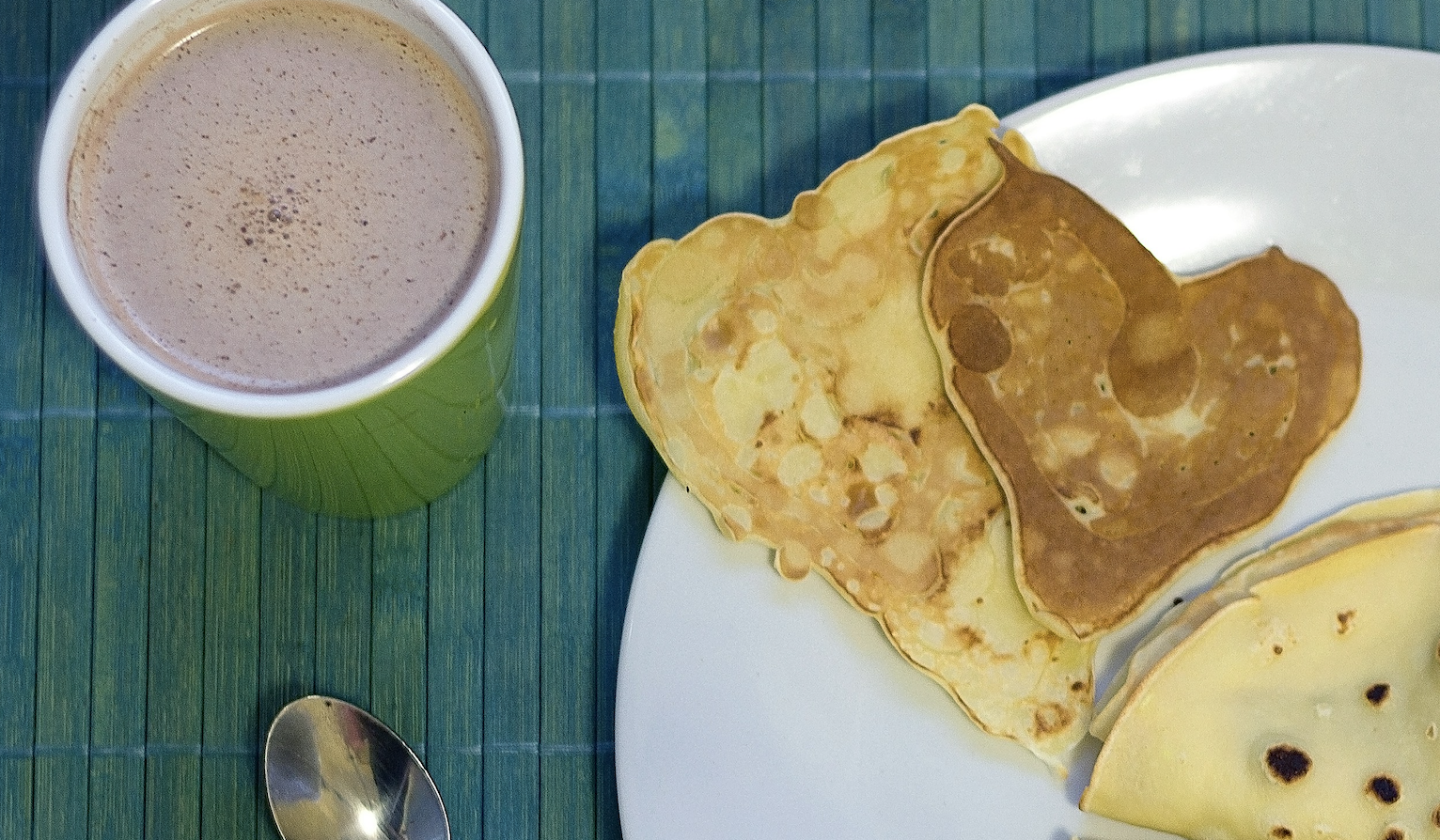
Photo by Margarita Shtyfura on Unsplash