
(An imagined dialogue for Bone and Joint Awareness Week)
The body is a community. Within it, bones, joints, and muscles speak in a quiet language — one we rarely hear until something aches, stiffens, or breaks. If we listened more closely, perhaps this is what they might say:
HOW DOES YOUR BODY FEEL EVERY DAY? SHARE YOUR THOUGHTS HERE.
The Bones Speak
Bones (steadfast, resonant):
“I am the frame that holds you upright. You forget me until I fracture, but I am living, breathing tissue — not stone. I grow, remodel, and adapt. Did you know that every decade I rebuild most of myself? Yet I depend on you: your calcium, your Vitamin D, your weight-bearing steps. Neglect me, and I grow porous, brittle. Strengthen me, and I carry you for decades.”
The Joints Answer
Joints (flexible, weary but wise):
“Where bones meet, I am the hinge, the cushion, the rotation. I am cartilage, synovial fluid, ligaments — all working in silence each time you rise, dance, bend, or kneel. But I do not last forever without care. Arthritis knocks when inflammation overstays. Cartilage thins with age, and pain begins to speak for me. Keep me supple with movement, balanced weight, and gentleness. I thrive on motion, not neglect.”
The Muscles Join In
Muscles (energetic, proud):
“I am the engine, but I cannot move without the bones as levers and the joints as pivots. Together we make movement, posture, expression. But I am not just strength — I protect bones by absorbing impact, I stabilize joints when you stumble. Train me, feed me protein, stretch me. When I am strong, bones and joints rejoice; when I weaken, they bear the burden.”
READ: Understanding the Aging Process: Key Facts, Stages, and Lifestyle Factors
A Chorus of Resilience
Bones, Joints, Muscles (together):
“We speak one language: movement. You cannot separate one from the other. To care for us is to:
- Walk, run, and dance with joy.
- Fuel with balanced nutrition — calcium, Vitamin D, protein.
- Avoid long stillness; motion is our love language.
- Listen early to pain — it is not a nuisance but a messenger.
- Protect us with posture, weight management, and preventive check-ups.”
The Science Beneath
- Osteoporosis affects millions worldwide, often undetected until a fracture occurs. Preventive bone density scans after 50 can save lives.
- Arthritis is not just an “old person’s disease” — it can strike young adults and even children. Early intervention slows progression.
- Exercise — especially strength training and weight-bearing activities — is one of the most effective “medicines” for bones and joints.
- Nutrition — dairy, leafy greens, fish, fortified foods — builds resilience. And hydration supports synovial fluid, your body’s natural joint lubricant.
The Closing Whisper
If you pause for a moment, your bones, joints, and muscles are speaking to you now:
“Stand tall. Stretch wide. Move with gratitude.
Do not wait until stiffness or pain becomes our only language.
Honor us today, and we will carry you — gracefully, resiliently — through the decades.”
5 Phrases in the Language of Bones and Joints
1. Stand Tall, Even When Time Presses Down.
- Lesson: Good posture strengthens the spine, reduces strain on joints, and protects against osteoporosis. Practice wall angels (standing against a wall, slowly moving arms up and down like wings) to train alignment and flexibility.
2. Every Step is a Whisper of Strength.
- Lesson: Weight-bearing activity—like walking, dancing, or light jogging—stimulates bone formation. Even 20–30 minutes daily helps keep bones dense and joints mobile.
3. Bend Without Breaking, Rest Without Rusting.
- Lesson: Gentle stretching and low-impact exercise (like yoga or swimming) maintain joint flexibility, reduce arthritis stiffness, and prevent injury. Aim for short sessions spread throughout the week.
4. Feed the Frame That Carries You.
- Lesson: Calcium and vitamin D are the grammar of bone health. Pair leafy greens, dairy, or fortified alternatives with sunlight or safe supplements to nourish your skeletal system.
5. Strength is a Song Sung in Repetition.
Lesson: Resistance and strength training (bodyweight, resistance bands, or light weights) keeps both bones and muscles resilient, supports balance, and lowers fall risk as we age. Two to three sessions per week can make a lasting difference.
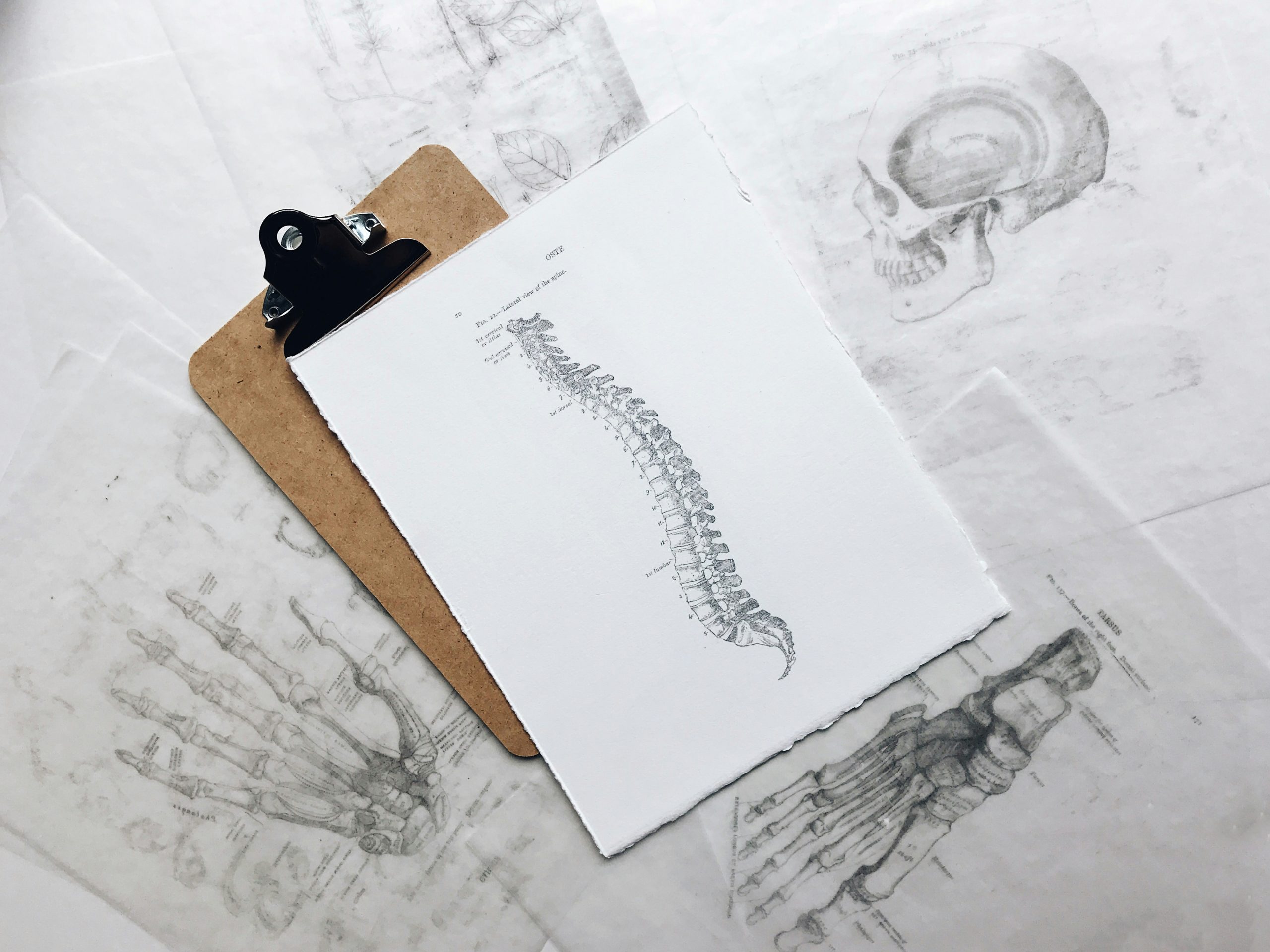
Photo by Joyce Hankins on Unsplash