
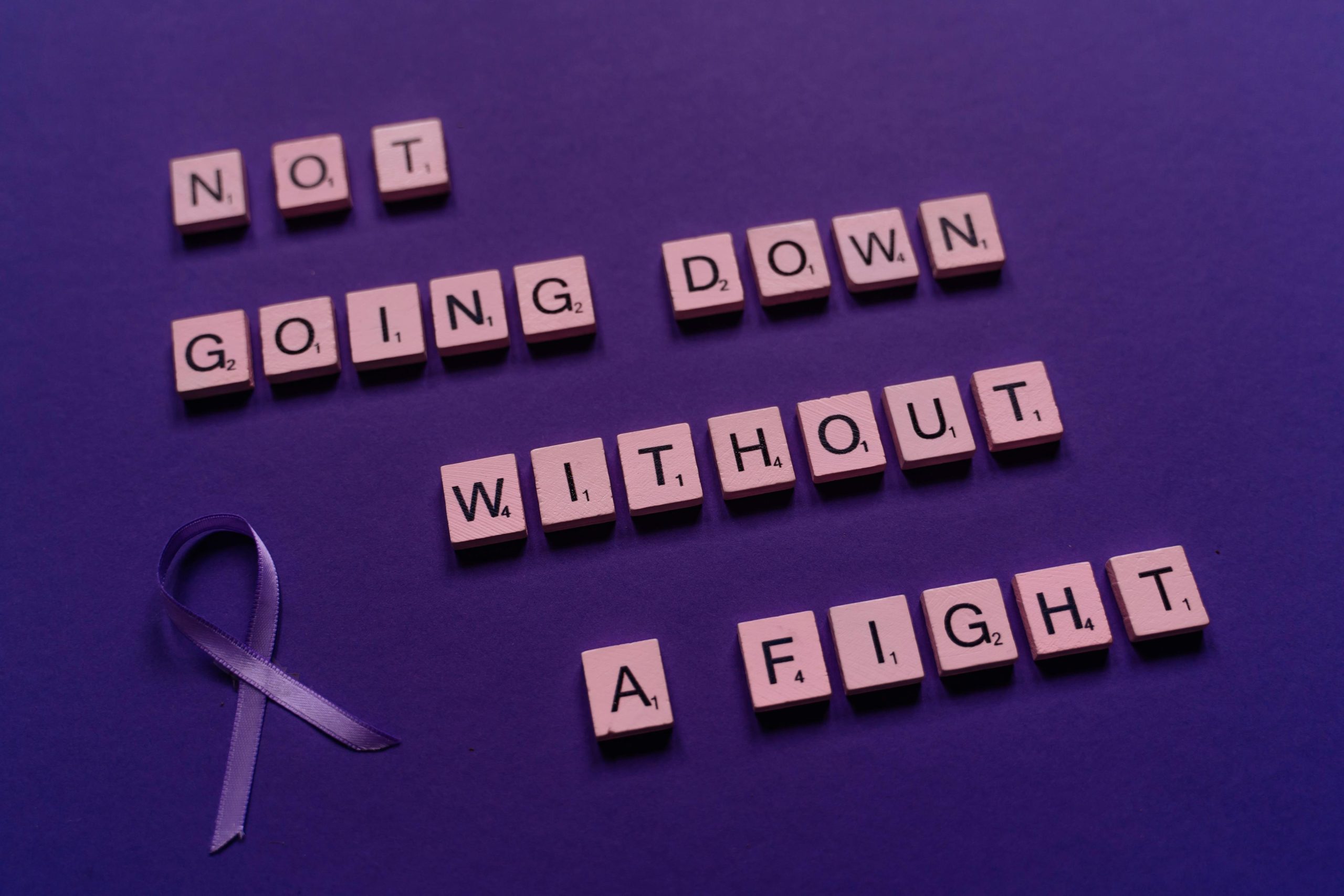
In a world that prizes visibility and certainty, people with epilepsy (PWE) often live in shadows — seen only in stereotypes, misunderstood during seizures, sidelined in workplaces and social settings.
The greatest barrier they face is not their neurological condition, but the silence and stigma surrounding it.
This September, in honor of National Epilepsy Awareness, we look past old narratives and spotlight innovation, inclusion, and respect.
Epilepsy is a chronic brain disorder that causes people to have repeated, unprovoked seizures. A seizure happens when there is a sudden surge of abnormal electrical activity in the brain, which can lead to changes in movement, behavior, awareness, or feelings.
It is one of the most common neurological conditions worldwide, affecting about 1 in 100 people. With proper treatment and support, many people with epilepsy can live full, active, and healthy lives.
ARE YOU A PERSON WITH EPILEPSY? HOW DO YOU NAVIGATE DAILY CHALLENGES? SHARE THEM HERE.
Stigma: The Silent Seizure
Epilepsy isn’t just about convulsions. It carries burdens of misbelief, fear, and isolation.
In the Philippines and many parts of the world, epilepsy is still shrouded in myths — seen as supernatural, contagious, or a sign of mental instability. These misconceptions impose what researchers call felt stigma (the internalized fear of judgment) and enacted stigma (discrimination in schools, social circles, or workplaces.)
In the workplace, stigma has been shown to disadvantage not only individuals with epilepsy but even those associated with them. A study found that hypothetical employees who had taken time off for an epileptic family member earned fewer workplace rewards and faced more risk of job penalties — even if their performance was identical.
Beyond employment, PWE often hesitate to disclose their diagnosis, even to close friends, for fear of being ostracized. This isolation makes them vulnerable emotionally and socially.
The stigma is a barrier to dignity, belonging, and full participation in life.
READ: Patient Safety Beyond the Hospital — Everyday Habits That Protect Your Health
Innovation Meets Inclusion
To challenge stigma is one act. To build safety and empowerment is another.
Fortunately, innovations — technological, social, and policy-based — are creating new pathways for people with epilepsy to thrive.
1. Seizure Monitoring Devices
A promising frontier: discreet wearable sensors. For instance, a new ear-worn system (EarSD) measures physiological signals from behind the ears to detect seizure onset.
It is lightweight, socially acceptable, and can alert caregivers or medical teams — helping reduce anxiety about unpredictable episodes.
These wearable technologies shift the dynamic: from fear of unknown seizures to proactive support and responsive safety.
2. Workplace Accommodations & Education
Employers can’t change hearts until they change practices. Some companies now offer flexible scheduling, safe rest spaces, and seizure action plans. Training HR and staff about epilepsy helps reduce bias and hesitation.
Inclusive employers are those who see PWE not as liabilities but as contributors. Highlighting role models — people with epilepsy succeeding in leadership, arts, STEM, business — helps shift perceptions.
3. Community-led Awareness Campaigns
Top-down education alone is not enough. The most credible voices are those living with the experience.
Epilepsy advocacy organizations have begun launching “champion-led” toolkits, training PWE to lead awareness, share their stories, and change narratives from within.
Campaigns woven into schools, barangays, churches, and social media can normalize discussion: what a seizure is, how to help, and what not to do.
When encounters with epilepsy cease to feel foreign, stigma begins to erode.
4. Telehealth & Decentralized Care
In many rural or underserved areas, access to neurologists is limited. Telemedicine platforms allow PWE to connect with specialists remotely for diagnosis, prescription, and follow-up. This reduces travel burden and ensures continuity of care.
Community health centers can be equipped with basic EEG or referral systems, aided by mobile neurology clinics. This innovation is not futuristic — it is increasingly necessary.
READ: Hospitals of the Future — Innovation and Compassion Beyond Walls and Wards
How You Can Support Change (Everyday Steps)
Ask, don’t stare. If you see someone having a seizure, stay calm, clear the area, place something soft beneath their head, and time it. Don’t restrain them. Learn first-aid.
Train your community. Schools, workplaces, and churches can host short epilepsy-awareness sessions.
Use inclusive language. Speak of “persons with epilepsy” not “epileptics.” Avoid terms like “fits” or “spells” — use “seizures.”
Support visibility. Share stories and content by PWE. Representation shifts perception.
Advocate for policy. Push for anti-discrimination laws, seizure-safe spaces, inclusive insurance coverage.
Hope Flickers, but It Isn’t Dim
Stigma can feel immovable. But history shows us how social change begins: through stories, through inclusion, through dignity extended.
People with epilepsy are not waiting passively — they are leading, innovating, speaking.
When we break silence and choose inclusion, we invest not just in neurological health, but in humanity’s conscience.
Breaking the silence is not a metaphor — it’s the first step to letting someone live fully.
What to Do During a Seizure
Do:
- Stay calm and time the seizure.
- Gently guide the person to the ground, if needed.
- Place something soft under their head.
- Turn them on their side to keep the airway clear.
- Loosen tight clothing around the neck.
- Stay with them until they are fully alert.
Don’t:
- Don’t restrain their movements.
- Don’t put anything in their mouth (they cannot swallow their tongue).
- Don’t give food, drink, or medicine until they are awake and alert.
- Call emergency services if:
The seizure lasts more than 5 minutes.
Another seizure begins right after the first.
The person has difficulty breathing, is injured, or does not regain consciousness.
(Adapted from the Epilepsy Foundation and World Health Organization first-aid guidelines.)
References:
- Exploration of Neuroprotective Mechanisms in Epilepsy Stigma and Advocacy. Exploration of Neuroscience. Retrieved from: explorationpub.com
- Jacoby, A., Snape, D., & Baker, G. (2009). Epilepsy and social identity: The stigma of a chronic neurological disorder. The Lancet Neurology, 8(3), 171–178. doi:10.1016/S1474-4422(09)70011-7
- von dem Knesebeck, O., Mnich, E., Daubmann, A., & Angermeyer, M.C. (2009). Socioeconomic status and beliefs about epilepsy in Germany. Epilepsy & Behavior, 16(1), 109–113. doi:10.1016/j.yebeh.2009.07.010
- International League Against Epilepsy (ILAE). (2023). Empowering people with epilepsy to lead the way in reducing stigma. Retrieved from: ilae.org
- Liao, Y., et al. (2024). Ear-worn multimodal seizure detection system (EarSD): Toward wearable, discreet epilepsy monitoring. arXiv preprint. Retrieved from: arxiv.org
- Epilepsy Foundation. (2023). Seizure First Aid. Retrieved from: epilepsy.com
- World Health Organization. (2019). Epilepsy: Key facts and first-aid guidance. Retrieved from: who.int