
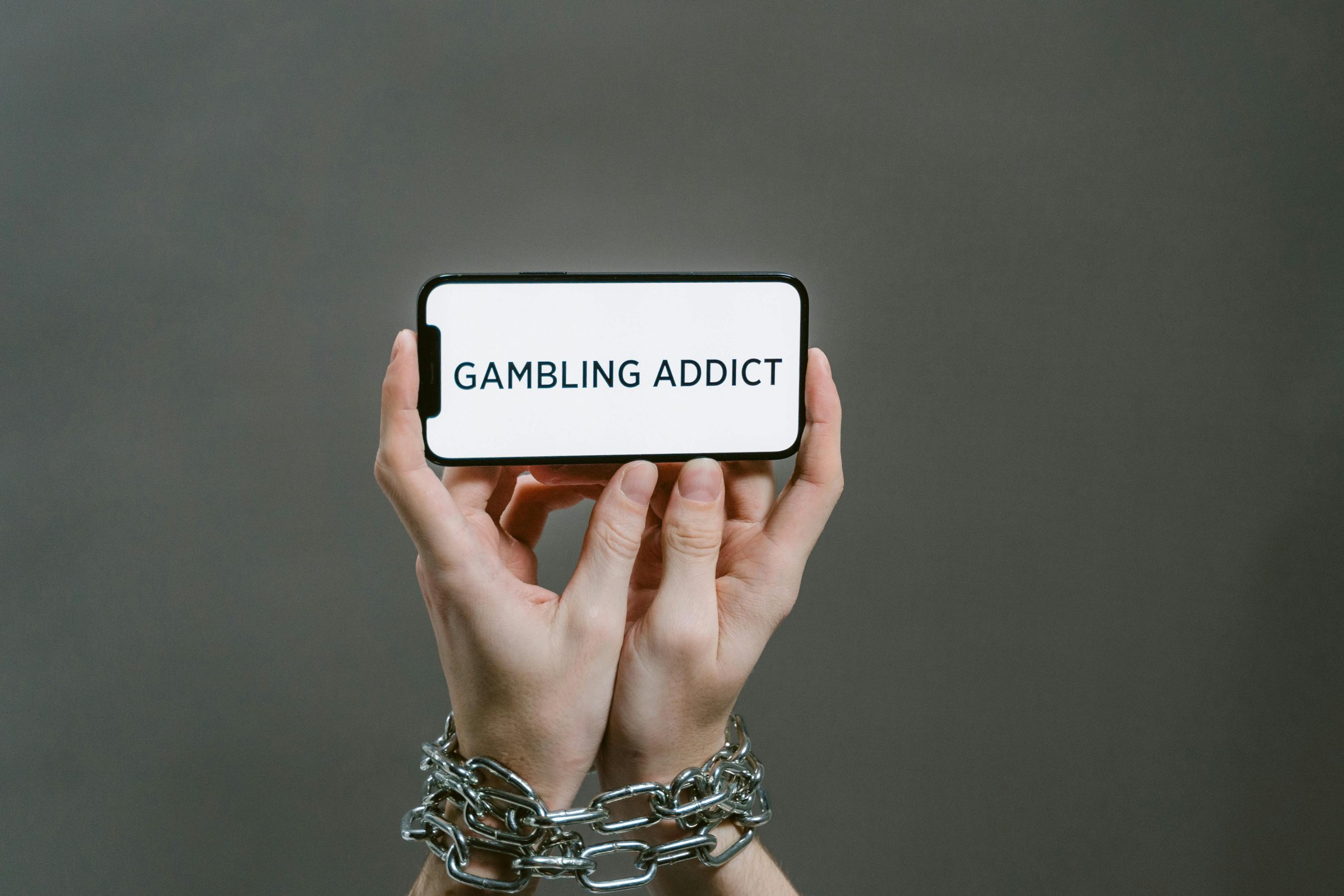
Gambling addiction, also known as pathological gambling or compulsive gambling, is a serious issue that can affect anyone, regardless of age, background, or financial status.
It transforms a recreational activity into an uncontrollable obsession with devastating consequences.
According to HelpGuide.org (2025), understanding the signs and seeking appropriate support are crucial steps in overcoming this disorder.
ARE YOU FIGHTING ADDICTION? KEEP YOUR THOUGHTS HERE, SAFELY.
Understanding Gambling Addiction
Gambling addiction is characterized by the inability to control the impulse to gamble, even when it leads to negative outcomes. This can include financial strain, damaged relationships, and interference with work.
Problem gambling isn’t always about being completely out of control; it also encompasses any gambling behavior that disrupts one’s life.
This may involve spending increasing amounts of time and money on gambling, chasing losses, or continuing to gamble despite significant negative impacts.
READ: How to Help Someone Who is Suicidal
Myths vs. Facts
It’s important to dispel common myths about gambling addiction:
- Myth: You must gamble every day to be a problem gambler
- Fact: Gambling is problematic if it causes issues, regardless of frequency
- Myth: Problem gambling isn’t a real issue if the gambler can afford it
- Fact: Excessive gambling leads to financial, relationship, and mental health problems
- Myth: Gambling problems are due to weakness or irresponsibility
- Fact: Gambling addiction affects people from all backgrounds and intelligence levels
READ: Philippine Men Face Rising Mental Health Struggles
Recognizing the Signs
Gambling addiction often remains hidden, as there are no obvious physical symptoms.
But key indicators include:
- Secrecy about gambling habits
- Difficulty controlling gambling urges
- Gambling even when lacking funds
- Concerns voiced by family and friends
Self-Help Strategies
Overcoming gambling addiction involves a commitment to stay away from gambling, which can be challenging, especially with the accessibility of online platforms.
Strategies for self-help include:
1) Acknowledge the Problem: Recognizing the addiction is the first step.
2) Seek Support: Build a strong support network of friends, family, or support groups.
3) Establish Barriers: Reduce access to money and avoid tempting environments.
4) Find Alternatives: Replace gambling with healthier activities and hobbies.
5) Deal with Cravings: Develop strategies to manage and resist gambling urges.
6) Seek Treatment: Consider professional treatment options such as therapy or rehab programs.
Helping Someone Stop Gambling
Supporting a loved one with a gambling problem involves encouraging them to seek help, offering support, and protecting yourself emotionally and financially.
It’s crucial to:
- Set boundaries regarding money
- Avoid enabling their addiction
- Take any talk of suicide seriously
Gambling in Children and Teens
Children and teens are increasingly exposed to gambling content, particularly online.
Parents can help prevent gambling addiction by:
- Looking for signs of gambling behavior
- Being a positive role model
- Educating them about the risks of gambling
- Restricting access to gambling content
If you or someone you know need/needs help with gambling addiction, reach out to:
- Gamblers Anonymous Philippines
- Gamblers Anonymous Pilipinas
- Bridges of Hope Drug, Gambling & Alcohol Rehabilitation Center
- Gambling Helplines Philippines
Reference:
- Gambling Addiction: Symptoms, Causes, and Help. HelpGuide.org. August 15, 2025.
DISCLAIMER
This article provides general information and does not constitute medical advice. Consult your healthcare provider for personalized recommendations. If symptoms persist, consult your doctor.