
Everyone experiences anxiety from time to time.
But for millions worldwide, anxiety becomes a persistent and overwhelming condition that significantly impacts their daily lives.
According to the World Health Organization (WHO), anxiety disorders are the most common mental disorders globally, affecting an estimated 359 million people in 2021.
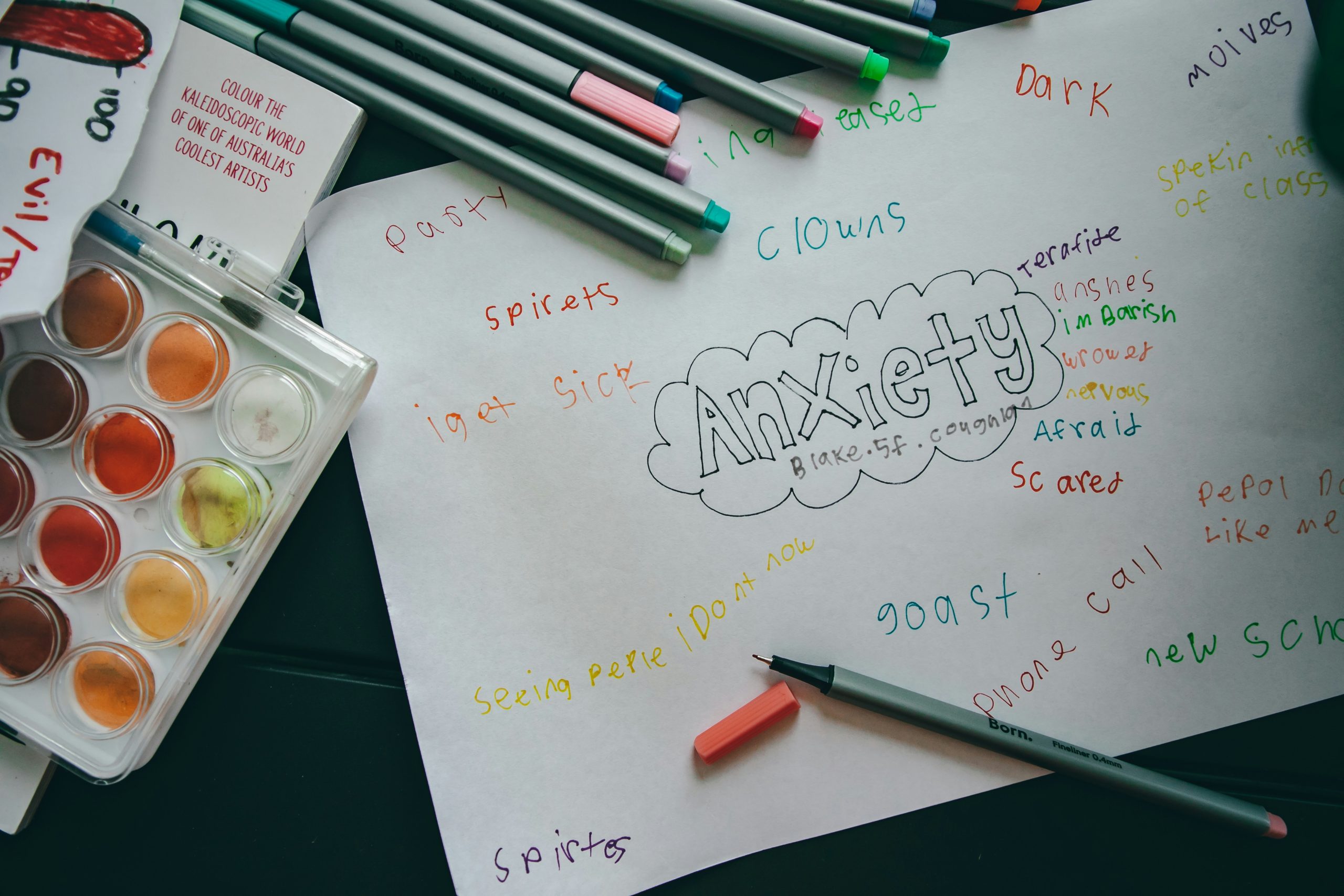
ANXIOUS? WRITE YOUR THOUGHTS HERE AND GO THROUGH THEM WITH YOUR DOCTOR LATER.
Prevalence and Impact
Anxiety disorders are more prevalent among women than men, and symptoms often emerge during childhood or adolescence.
These disorders are characterized by intense and excessive fear and worry, accompanied by physical tension and other behavioral and cognitive symptoms.
If left untreated, anxiety disorders can interfere with family, social, school, and work life.
The Treatment Gap
Despite the availability of highly effective treatments, only about 1 in 4 people with anxiety disorders receive the care they need.
This treatment gap is attributed to several barriers, including:
- Lack of awareness that anxiety disorders are treatable health conditions.
- Insufficient investment in mental health services.
- Shortage of trained healthcare providers.
- Social stigma associated with mental illness.
READ: Is ‘Brain Rot’ Real? Understanding the Impact of Excessive Internet Use
Symptoms and Types of Anxiety Disorders
Anxiety disorders manifest in various ways, with symptoms that can include:
- Excessive fear or worry about specific situations or everyday events
- Difficulty concentrating or making decisions
- Irritability, tension, or restlessness
- Nausea or abdominal distress
- Heart palpitations
- Sweating, trembling, or shaking
- Trouble sleeping
- A sense of impending danger, panic, or doom
Specific types of anxiety disorders include:
Generalized Anxiety Disorder
Persistent and excessive worry about daily activities or events
Panic Disorder
Panic attacks and fear of continued panic attacks
Social Anxiety Disorder
High levels of fear and worry about social situations
Agoraphobia
Excessive fear and avoidance of situations that might cause panic or feeling trapped
Separation Anxiety Disorder
Excessive fear about being separated from loved ones
Specific Phobias
Intense, irrational fears of specific objects or situations
Selective Mutism
Consistent inability to speak in certain social situations (primarily in children)
It’s important to note that individuals can experience multiple anxiety disorders simultaneously, and symptoms often persist from childhood into adulthood.
READ: Gadget Addiction in the Digital Age: Are We Hooked?
Contributing Factors and Prevention
Anxiety disorders arise from a complex interplay of social, psychological, and biological factors. Adverse experiences, such as abuse or severe losses, can increase the likelihood of developing an anxiety disorder.
Additionally, anxiety disorders are closely linked to physical health, with anxiety symptoms potentially exacerbating conditions like cardiovascular disease.
Effective prevention strategies include:
- Parental education programs
- School-based programs to enhance social and emotional learning
- Exercise programs for adults
Diagnosis, Treatment, and Self-Care
Seeking professional care is crucial for individuals experiencing anxiety symptoms.
Effective treatments include:
Psychological Interventions
Talk therapy with professionals or supervised therapists, helping individuals develop new coping mechanisms and face anxiety triggers
Cognitive-behavioral therapy (CBT) techniques, such as exposure therapy, are particularly effective.
Stress Management Skills
Relaxation and mindfulness techniques can help reduce anxiety symptoms
Medications
Antidepressants like SSRIs can be beneficial for some adults, but healthcare providers should carefully consider potential side effects and individual preferences
Self-care practices can also play a significant role in managing anxiety symptoms:
- Avoiding alcohol and illicit drugs
- Regular exercise
- Maintaining regular eating and sleeping habits
- Practicing relaxation techniques
- Mindfulness meditation
The World Health Organization’s Response
The WHO recognizes anxiety disorders as a significant public health concern and has implemented various initiatives to address them.
The Comprehensive Mental Health Action Plan 2013–2030 emphasizes the need for appropriate interventions for people with mental health conditions, including anxiety disorders.
The WHO’s mhGAP Programme aims to increase services for mental, neurological, and substance use disorders through care provided by non-specialist health workers.
Additionally, the WHO has developed brief psychological intervention manuals, such as Problem Management Plus (PM+) and Self-Help Plus (SH+), to provide accessible and effective support for individuals struggling with anxiety and stress.
Anxiety disorders pose a significant global health challenge, but with increased awareness, access to treatment, and effective prevention strategies, individuals can manage their symptoms and improve their overall well-being.
Source:
- Anxiety disorders. World Health Organization. (2024).
Photo by Anima Visual on Unsplash
DISCLAIMER
This article provides general information and does not constitute medical advice. Consult your healthcare provider for personalized recommendations. If symptoms persist, consult your doctor.