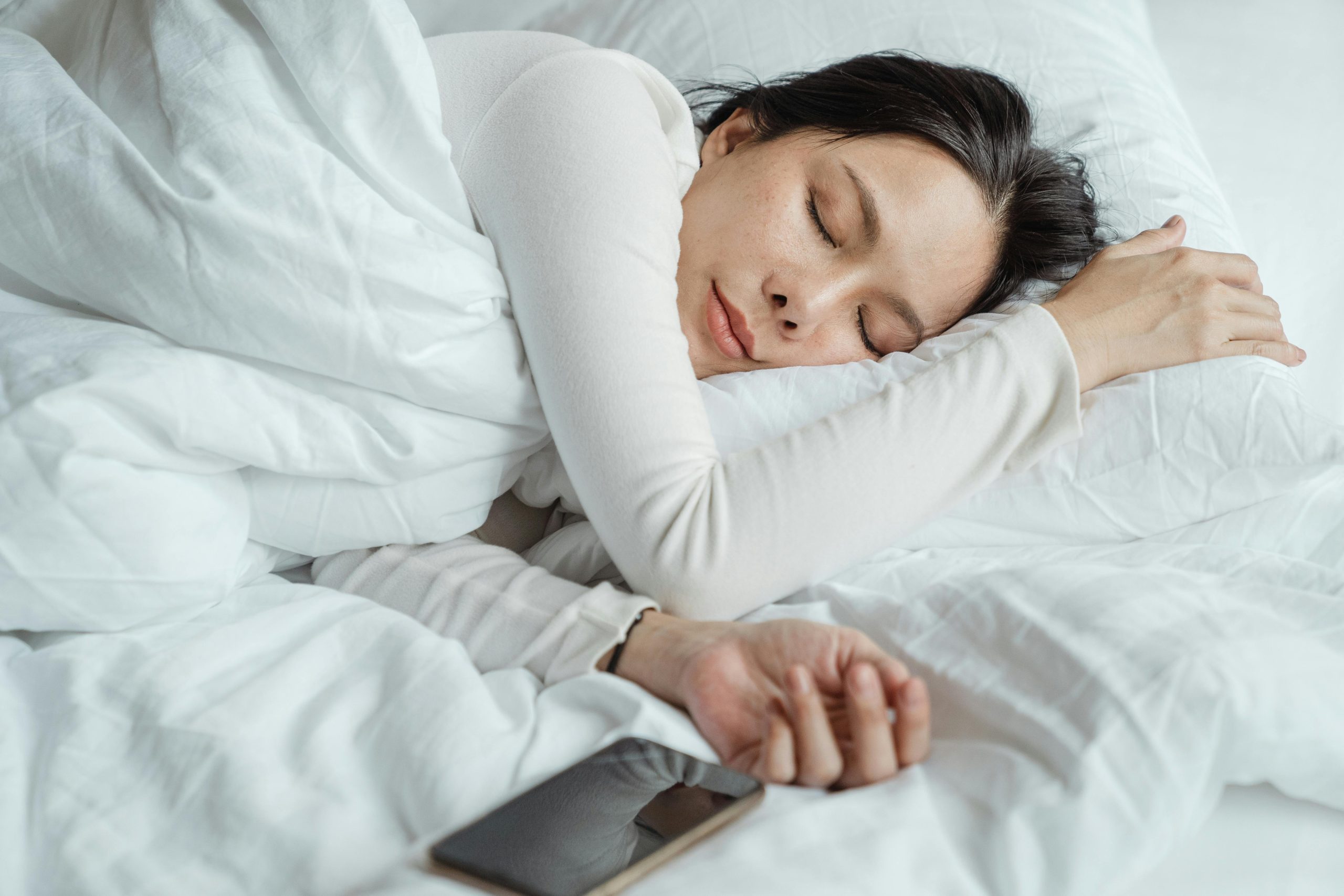
In many Filipino households, a grandmother’s voice rings clear across generations: “Matulog ka na, para gumanda ka.” (Go to sleep, so you’ll be beautiful.)
It was more than just a nightly admonition. It was ancestral wisdom disguised as gentle advice — an inheritance that science is only now catching up with.
Today, the global wellness industry brims with serums, masks, and ten-step regimens. Yet for Filipinos, the timeless secret to radiance was always simpler, more attainable, and deeply cultural: sleep.
September, which ushers in the first stirrings of the -ber months — busier days, longer nights, and the mounting pull of festivities — is perhaps the perfect reminder that beauty and health begin with rest.
TRACK YOUR SLEEP FOR YOUR NEXT DERMA VISIT. THIS COULD BE YOUR FREE BEAUTY SECRET.
Ancestral Wisdom: Sleep as a Cultural Beauty Ritual
The Filipino lexicon is full of quiet affirmations that link sleep with wellness. “Maganda ang tulog, maganda ang gising,” we say: good sleep brings good mornings.
Even folklore played its part. In old stories, staying out too late meant risking one’s health — or even one’s beauty — as though the night itself could steal vitality.
The siesta, once dismissed as a colonial relic, was also a form of embodied wisdom. Long before sleep studies became a science, Filipinos understood that pausing at midday restored not only energy but also the clarity and calm needed to meet the rest of the day with grace.
Sleep, in these ways, was never laziness. It was ritual. It was self-preservation.
It was beauty care before beauty care had a market.
READ: Stress Less, Glow More — A Practical Guide to Better Sleep and Hydration
What Science Confirms Today
Modern research affirms what our lolos and lolas knew instinctively. During deep sleep, the body shifts into repair mode. Skin cells regenerate and truly heals.
Collagen, the protein that keeps our skin supple and youthful, is produced in greater amounts. Cortisol, the stress hormone, drops — reducing inflammation that causes breakouts and dullness.
One dermatological study published in Clinical and Experimental Dermatology found that people who slept at least seven hours a night showed significantly better skin barrier recovery compared to those who slept less. Rested women showed 30% faster skin barrier recovery and reported better self-perception of their appearance (PubMed).
Another study in Sleep Medicine Reviews confirmed that chronic sleep deprivation accelerates visible signs of aging, from fine lines to uneven tone.
A controlled study where participants averaged only 4 hours of sleep per night for six nights revealed tangible skin changes: decreased hydration, elasticity, and gloss, and increased texture problems and wrinkles — sometimes noticeable after just one night (PubMed).
So, while you may notice a lack of Filipino-specific studies — and you’re right, the beauty-sleep myth hasn’t been commercialized — it’s not because the science isn’t there. It’s more likely that there’s less incentive to fund publicly shared dermatological research on something ostensibly free: rest.
Skin care companies may market products, but sleep doesn’t sell. Yet the evidence is clear.
In short: beauty sleep isn’t folklore. It’s a measurable, biological truth — rooted not only in homegrown wisdom but in peer-reviewed science.
READ: Holistic Self-Care — Nurturing Your Inner and Outer Beauty
The Filipino Way: Rest as Balance
And yet, in a culture that values productivity, rest often carries the stain of katamaran — laziness. The paradox is that our very heritage points in the opposite direction.
Our elders believed in balance: trabaho at pahinga, work and rest. In the Filipino rhythm of life, restoration was not only accepted but necessary.
September tests this balance. As calendars fill with deadlines, birthdays, and the earliest Christmas preparations, sleep is often the first to go. Puyat becomes a badge of honor — even pride.
But as Joyful Wellness reminds us, sleep is not wasted time. It is an investment. It is a beauty ritual disguised as stillness. It is health work done in silence.
Joyful Wellness Lesson: Sleep as the Ultimate Luxury
In a consumer-driven world, luxury is often measured in peso signs: imported creams, high-tech beauty gadgets, wellness fads with glossy marketing.
But the greatest luxury — the one that preserves both health and beauty — is free and accessible: deep, restorative sleep.
This makes sleep democratic. It belongs not to the wealthy but to anyone willing to embrace it. It re-centers beauty as a cultural practice, not a commodity.
And it reframes the Filipino way of pahinga as a form of quiet rebellion in a restless age.
A September Invitation
This September, as the nights grow longer and the ber months begin their steady march to Christmas, Joyful Wellness extends a gentle invitation: reclaim sleep. Let it be your truest skincare. Let it be your most trusted form of self-care.
Remember the wisdom of the grandmothers. The best glow are not on sale in bottles or jars. It rises naturally from within, lit by nights of restful sleep and mornings of renewed spirit.
Small rituals and everyday choices equal lasting radiance and timeless wellness. A night of rest, a lifetime of beauty, told the Joyful Wellness way.
DISCLAIMER
This article provides general information and does not constitute medical advice. Consult your healthcare provider for personalized recommendations. If symptoms persist, consult your doctor.