
Mental health among Filipino men remains a silent crisis, with suicide rates more than twice as high as those of women, according to the World Health Organization (WHO).
Despite the passage of the 2018 Mental Health Act, men in the Philippines are still among the least likely to seek psychiatric care, hindered by stigma, cost, and cultural expectations.
Data from the Department of Health (DOH) show suicide deaths rose from 2,200 in 2012 to more than 2,800 in 2019, underscoring the urgency of the issue.
Experts warn that entrenched norms, reinforced by phrases like “Kalalaki mong tao” (you’re supposed to act like a man), discourage men from expressing vulnerability or seeking professional help.
With limited mental health services and persistent gendered stigma, advocates argue that men’s mental health in the Philippines demands targeted policies and community-based solutions.
READ: Building Resilience — Practical Strategies for Mental Strength
The Weight of “Kalalaki Mong Tao”
“Kalalaki mong tao…”—a phrase often said to boys when they cry, to teenagers when they admit heartbreak, or to fathers who express exhaustion—captures a cultural script deeply embedded in Filipino society. It tells men to be stoic, tough, and emotionally unshakable.
Behind this façade, however, lies a quiet crisis. The 2025 Comprehensive Critique of Mental Health Issues in the Philippines reported that suicide cases in Eastern Visayas nearly doubled in a year, from 49 in 2022 to more than 95 in 2023, with over 200 cases recorded across six provinces.
Globally, stigma and silence show similar patterns. A 2024 German–UK study of more than 4,000 men found that negative beliefs about masculinity, such as viewing it as shameful, were strongly associated with poorer mental health outcomes.
In an exclusive interview, Medicine Specialist and a famous health vlogger, Dr. Dex Macalintal, said the Philippines still has a “macho” mentality.
“Sometimes, even when a person is depressed, they cover it up so they won’t look “weak” or be labeled as such. There is also stigma around mental health, and many (though not all) men don’t want to be associated with this stigma because our culture and beliefs dictate that men should be strong, brave, and never cry,” he said.
“Some think that crying already shows weakness, and they fear being shamed or judged by others. That’s why they end up hiding what they truly feel, even though deep inside, they are already struggling.”
READ: No Shame in Seeking Professional Mental Health Help
A Cultural Burden Across Generations
From childhood, boys are conditioned to equate strength with silence. Families and schools often discourage emotional expression, leaving men with few outlets as they grow. This conditioning follows them into adulthood, shaping relationships, work habits, and—most dangerously—their willingness to seek help.
In many households, depression or burnout is dismissed with phrases like “kaya mo ’yan” (you can handle it) or “magdasal ka lang” (just pray harder). While often intended as encouragement, these responses can invalidate men’s struggles and reinforce the belief that vulnerability is weakness.
Though nationwide studies on men’s mental health remain scarce, existing data paint a troubling picture:
- Suicide prevalence: WHO data show Filipino men’s suicide mortality rate at 5.3 per 100,000, compared to 2.0 per 100,000 for women (2019).
- Help-seeking behavior: A 2021 WHO review found men are far less likely than women to access psychiatric services in the Philippines, citing stigma and cost.
- Workplace stress: Men dominate the labor force at 61% (PSA, 2022). A JobStreet survey in 2023 revealed 7 in 10 male employees experienced burnout, but only 1 in 5 took mental health leave, fearing career consequences.
- COVID-19 pandemic: Calls to the National Center for Mental Health (NCMH) hotline surged from 400 monthly pre-pandemic to nearly 1,000 in mid-2020, with men frequently citing job loss and financial strain.
These numbers highlight a troubling gap: women may report more symptoms, but men are more likely to channel distress into self-harm, substance use, or silence.
THIS CAN HELP YOU SOLDIER THROUGH DEPRESSION
Faith, Family, and Limited Access
Faith and family are central to Filipino life, offering comfort but also unintentionally reinforcing stigma, where mental health struggles may be viewed as spiritual weakness rather than medical conditions.
Access is another barrier. According to a July 2024 study in the International Journal of Humanity and Social Sciences, stigma, whether public, self, or institutional, significantly hinders help-seeking behavior. Public stigma creates exclusion, self-stigma breeds shame, and institutional stigma manifests in discriminatory policies and scarce resources.
WHO data further reveal the gravity of under-resourcing: the Philippines has only 0.52 psychiatrists, 0.07 psychologists, and 0.49 mental health nurses per 100,000 people, far below the WHO-recommended 10 psychiatrists per 100,000. Most of these specialists are concentrated in urban centers, leaving rural communities especially underserved.
Experts note that in remote areas, men face compounded stigma. They carry expectations as providers yet lack access to care. Poverty and stereotypes about masculinity leave them most at risk.
Work, Masculinity, and the Law
At work, men often face cultures that reward toughness. In industries like construction, transport, and corporate leadership, taking mental health leave may be seen as weakness.
The 2018 Mental Health Act (RA 11036) aimed to change this by requiring companies to create workplace mental health programs. Yet a 2024 DOH review found that only a small fraction of firms had concrete initiatives, leaving many male workers unsupported.
OFWs: The Invisible Strain
Overseas Filipino Workers (OFWs), many of them men in construction or seafaring, face particular pressures such as long separations, cultural isolation, and grueling work.
Research by the Philippine Migrants Rights Watch shows male OFWs are less likely than women to approach embassy counseling services. Many instead internalize stress, contributing to high rates of depression during their first six months abroad.
In an exclusive interview, a 26-year-old seafarer from Lipa, Batangas, identified only as “Jonathan” for privacy, shared how spending five to six months at sea leaves him feeling isolated and on the verge of breaking down.
“It’s not easy. It feels like an endless purgatory where you cannot express sadness, depression, or anxiety,” Jonathan told Joyful Wellness.
Jonathan works as a chef on a cruise ship that travels across Europe, Africa, and Asia. While the opportunity to see new places is a welcome perk, he admits that being away from his family is the hardest part.
“Every single day feels like a year. I always ask myself, ‘Where is the end game?’”
Although Jonathan continues to work out of necessity to support his family, he says loneliness has become a sacrifice he must endure, choosing their well-being over his own happiness.
“When it comes to its effects on health, depression can worsen if left unchecked and untreated. It may lead to various illnesses and can also become a risk factor for overeating or undereating, which in turn may cause other health problems. At times, it can also push a patient toward substance abuse, or, in the worst cases, suicide,” Dr. Macalintal explained.
Media and Representation
Media has begun amplifying men’s mental health. When celebrities like Jake Cuenca and Darren Espanto openly shared their therapy journeys, it helped normalize the conversation. But experts warn the narrative must extend beyond celebrities.
Media coverage is playing an increasingly important role in shaping societal views on men’s mental health. A 2022 study in Epidemiology and Psychiatric Sciences, celebrity disclosure of personal mental health struggles, such as therapy or depression, can significantly lessen public stigma and inspire viewers to seek help.
Additionally, a 2024 literature review by Mental Health (MDPI) emphasizes that positive media narratives, featuring themes like recovery, resilience, and the value of professional care, help raise awareness, reduce shame, and encourage people to pursue treatment.
In contrast, sensational or stereotypical depictions may perpetuate harmful biases and discourage engagement with mental health services.
Policy and Advocacy Gaps
Despite RA 11036, the system remains underfunded. Barangay health centers rarely have trained staff, and most insurance packages don’t cover therapy. Gender-sensitive programs, those acknowledging men’s unique barriers, are scarce.
A February 2025 mixed-method study evaluating RA 11036 implementation in Mandaluyong barangay health centers, local programs were often irrelevant, ineffective, inefficient, and unsustainable. Barriers included poorly trained staff, financial constraints, and weak interagency coordination. The study emphasized the urgent need for better training, sustainable funding, and stronger collaboration to make mental health services viable at the community level.
Globally, the scale of the problem is staggering. WHO guidance released in March 2025 reported that in some countries, up to 90% of people with severe mental health conditions receive no treatment at all—underscoring chronic underfunding and inadequate service models.
These findings lay bare the urgency for targeted, gender-sensitive programming, increased investment, and meaningful implementation at the community level, especially in rural and underserved areas.
Advocates suggest:
- Training barangay health workers to recognize men’s mental health symptoms.
- Tax incentives for companies to build wellness programs.
- Integrating mental health into schools, with lessons on gender and vulnerability.
Rethinking Masculinity
Globally, masculinity is being redefined, not as stoicism, but as openness and empathy. In the Philippines, small but promising efforts are underway:
- #UsapTayo campaign (2023): Encouraged men to talk about their struggles. Stories of athletes, fathers, and soldiers resonated with young audiences.
- Peer groups in schools: Universities such as UP and Ateneo created support circles for male students, challenging the barkada culture of mocking vulnerability.
- Sports and therapy: Some Manila basketball communities launched “play-and-talk” sessions, combining games with guided conversations about stress.
Small Signs of Change
Younger Filipino men, especially Gen Z, are showing more openness to therapy and online support groups. TikTok discussions on men’s mental health have reached millions of views, while Reddit communities provide anonymous peer support.
According to the 2024 AXA Mind Health Report, nearly 48% of Filipino young adults aged 18–24 reported symptoms of mental distress, significantly higher than older groups (42% among those 25–34 and 34% among the total population). This reflects a growing burden among Gen Z and aligns with their greater openness to therapy and digital platforms.
Meanwhile, a June 2025 study in Psikoislamika: Jurnal Psikologi dan Psikologi Islam also found that Filipino Gen Zers who are open to new experiences are more likely to seek help through telepsychology platforms, underscoring how digital tools are reshaping access to care.
Meanwhile, cultural practices offer grassroots solutions.
In addition to this, a 2023 study in Batangas found that farmers, despite stressors like financial loss and climate threats, draw resilience from personal faith and close community ties. This reinforces the potential of Davao’s kumustahan circles—monthly gatherings that blend psychosocial support with cultural connection—for reaching men who might not otherwise seek therapy.
Beyond Silence
Men’s mental health in the Philippines is shaped by history, culture, economics, and policy. The phrase “Kalalaki mong tao” still echoes, but counter-narratives are emerging: that men, too, deserve spaces to be vulnerable and seek help.
“That’s why it is often said that it is very important for a person, whether man or woman, to be open about their true feelings. There is nothing wrong with admitting when someone is struggling with what they’re going through. There is also nothing wrong with learning to express our real emotions, because that is what true strength really means,” Macalintal emphasized.
“In fact, the opposite happens when we learn to be open about problems like depression, it lightens the emotional burden, improves relationships with family, and helps us manage our health better. Remember, this is not a sign of weakness; rather, it is a sign of being truly human,” he added.
As advocates often note, the measure of a man should not be how much he can endure in silence, but how willing he is to heal.
Breaking the silence will take more than laws. It requires cultural change, one safe space, one conversation, and one redefinition of manhood at a time.
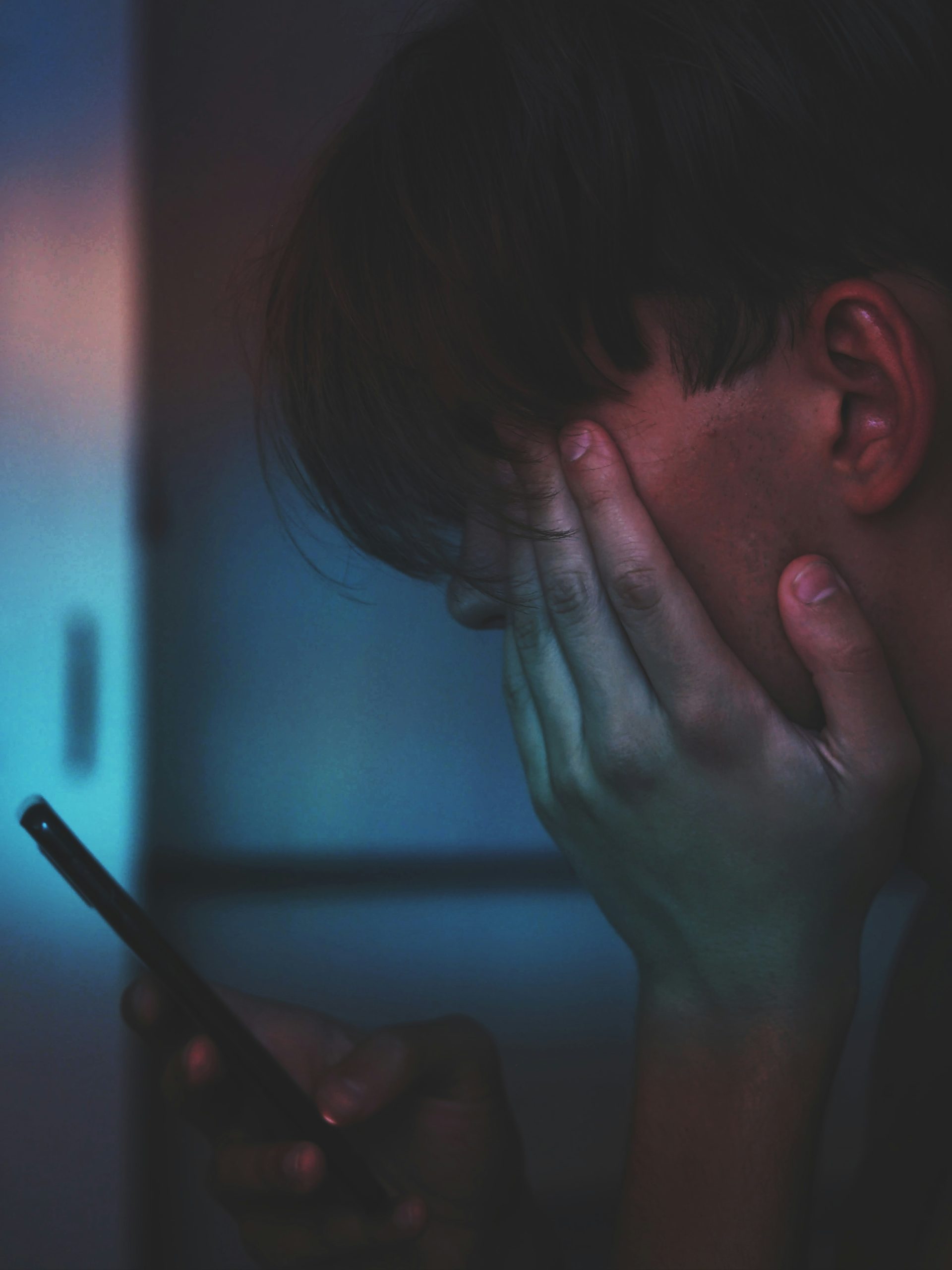
Photo by Adrian Swancar on Unsplash
DISCLAIMER
This article provides general information and does not constitute medical advice. Consult your healthcare provider for personalized recommendations. If symptoms persist, consult your doctor.