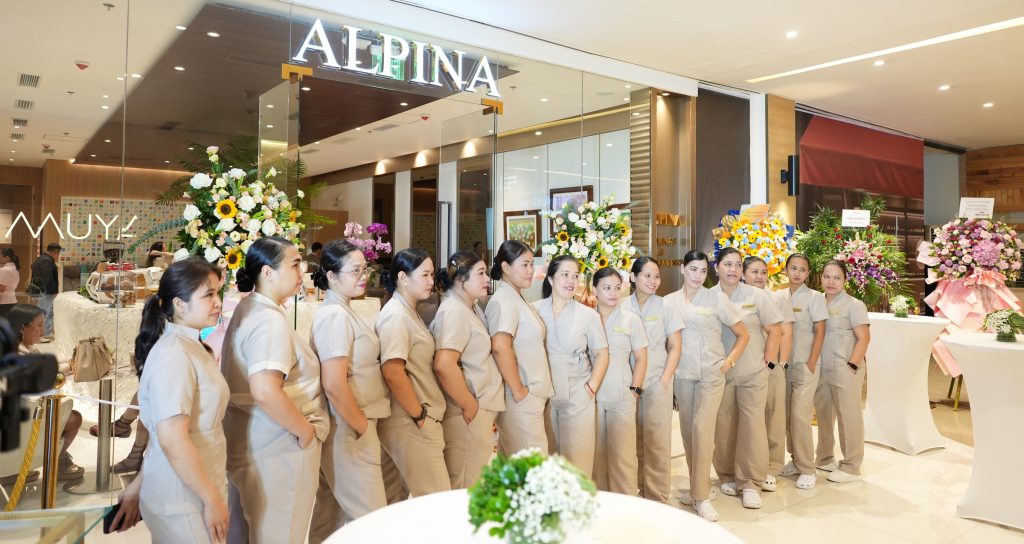

Just weeks ahead of the Miss Grand International 2025 pageant set for October 18 at the MGI Hall in Bangkok, Thailand, Emma Mary Tiglao of Pampanga was crowned Miss Grand Philippines 2025 on August 24.
Meanwhile, Ahtisa Manalo of Quezon, who won Miss Universe Philippines 2025 on May 2, is also preparing to compete at the Miss Universe stage in Thailand this November. Their victories mark another strong year for Filipina beauty queens, with more than ten already making their mark globally in 2025, including CJ Opiaza at Miss Grand International 2024 and Dia Mate at Reina Hispanoamericana.
These triumphs extend the legacy of Pia Wurtzbach’s Miss Universe 2015 and Catriona Gray’s Miss Universe 2018 crowns, which remain points of national pride.
But beyond intelligence and poise, pageant winners and judges emphasize makeup as a defining tool in projecting both confidence and beauty, a factor now driving the country’s booming beauty industry increasingly centered on skincare-infused and multifunctional products.
READ: How Technology Is Changing the Way We Look and Feel Beautiful
The Booming Trend of Skincare-infused Makeup
The Philippine beauty industry is undergoing a shift toward skincare-infused makeup, where cosmetics provide both coverage and active skin benefits.
Valued at USD 1.83 billion in 2024, the country’s cosmetics market is expected to reach USD 2.69 billion by 2033, while the skincare segment is projected to double from USD 2.48 billion in 2024 to USD 5.04 billion by 2033 (IMARC Group).
Products like BB and CC creams with SPF, foundations enriched with hyaluronic acid, and lip tints with nourishing oils have become staples across both premium and mass markets. E-commerce platforms such as Shopee, Lazada, and TikTok Shop, amplified by influencer-led promotions, are making these hybrid formulations some of the fastest-selling beauty items in the country.
This growth underscores how Filipino consumers increasingly seek multifunctional products that match their climate, lifestyles, and stronger focus on skin health.
READ: How Self-Awareness Transforms Your Health and Beauty
Why Skincare-Infused Makeup Appeals to Filipinos
- Climate and Everyday Needs
In a tropical country where heat, humidity, and strong sun exposure are constants, lightweight and breathable products are essential. Hybrid makeup provides coverage while adding hydration, oil control, and UV protection, making it practical for daily commutes or long hours outdoors.
According to a 2021 review in the Journal of Cosmetic Dermatology (Osterwalder et al., 2021), layering makeup over sunscreen can enhance UV protection since most consumers do not apply enough sunscreen to reach full SPF levels.
However, dermatologists from the American Academy of Dermatology (AAD) also emphasize that while SPF-infused makeup adds an extra barrier, it cannot replace broad-spectrum sunscreen.
This layered approach—sunscreen plus hybrid makeup, fits well into the routines of Filipinos balancing outdoor exposure and busy city life.
- More Informed Beauty Consumers
Filipinos today are more mindful about what goes onto their skin. Younger buyers, especially Gen Z and millennials, prefer products that hydrate, protect, and even slow signs of aging, all while streamlining routines.
According to a November 2024 GlobalData consumer report, demand is rising in the Asia-Pacific region for cosmetics that combine multiple functions in a single product. The report notes that “consumers, especially tech-savvy Gen Zs and millennials, are well informed about the types of active ingredients used in cosmetics that provide specialized functionalities.”
This is strongly reflected in the Philippines, where beauty shoppers now expect efficiency and genuine skincare benefits from every purchase.
- Market Momentum and Digital Influence
The Philippine cosmetics market’s projected growth to USD 2.69 billion by 2033, alongside skincare’s expansion to USD 5.04 billion, places hybrid products at the core of this booming sector (IMARC Group).
IMARC’s May 2025 report on Beauty & Personal Care shows that Filipino consumers are shifting toward “multitasking, multifunctional, and sustainable products,” driven by heightened beauty awareness.
Meanwhile, a September 2024 forecast by The Report Cube likewise found that skincare and natural/organic lines are among the fastest-growing categories, reflecting preferences for gentler, more effective formulations.
- E-Commerce and Influencer Power
Who gets hooked on products when their favorite brand endorsers promote them, paving the way for trusting the product’s benefits?
Social media and e-commerce are reshaping beauty consumption. Tutorials and “Get Ready With Me” videos from influencers like Rei Germar and Toni Sia often feature hybrid products, which can sell out within hours of promotion.
A 2023 Impact.com report on Southeast Asian e-commerce shows that more than 90% of shoppers follow influencers, and over 80% have purchased based on influencer recommendations.
Globally, Forbes notes that social commerce now produces 68% of beauty sales worldwide. Locally, IMARC observes that rising e-commerce adoption, paired with influencer-driven trends, is transforming consumer behavior and fueling beauty market growth.
- Spotlight on Brands Driving the Trend
Local Leaders
Happy Skin has built its reputation around “Second Skin” makeup infused with niacinamide, squalane, and hyaluronic acid, which is perfect for those seeking a natural look with added skin benefits.
On the other hand, BLK Cosmetics focuses on affordable clean beauty, with skin tints and lip oils enriched with vitamin E and plant-based extracts.
Vice Cosmetics, meanwhile, caters to the mass market with SPF-infused foundations and concealers enhanced with niacinamide and licorice extract.
In addition, Sunnies Face offers hybrid staples like “Dream Cream” moisturizer and “The Perfector” duo, bridging skincare and makeup for young professionals.
Famous owners and brand ambassadors help build credibility and trust for a brand, especially when they personally use the skincare products they endorse.
Global and K-Beauty Influence
The influence of Korean beauty remains strong, with BB and CC creams pioneered in Korea, becoming household staples. International brands are also offering hybrid formulations, reinforcing expectations that makeup should go beyond surface coverage.
WORKING ON A SKINCARE REGIMEN? MAP IT OUT HERE.
Why It’s More Than Just a Fad
- Multifunctionality and Value
Hybrid makeup condenses steps without sacrificing results.
A January 2025 global survey by Persistence Market Research explains that 58% of skincare consumers rate time-saving and multifunctionality as top priorities, while 64% prefer solutions with multiple benefits. This efficiency makes hybrids especially appealing in price-sensitive markets like the Philippines.
- Changing Beauty Aesthetics
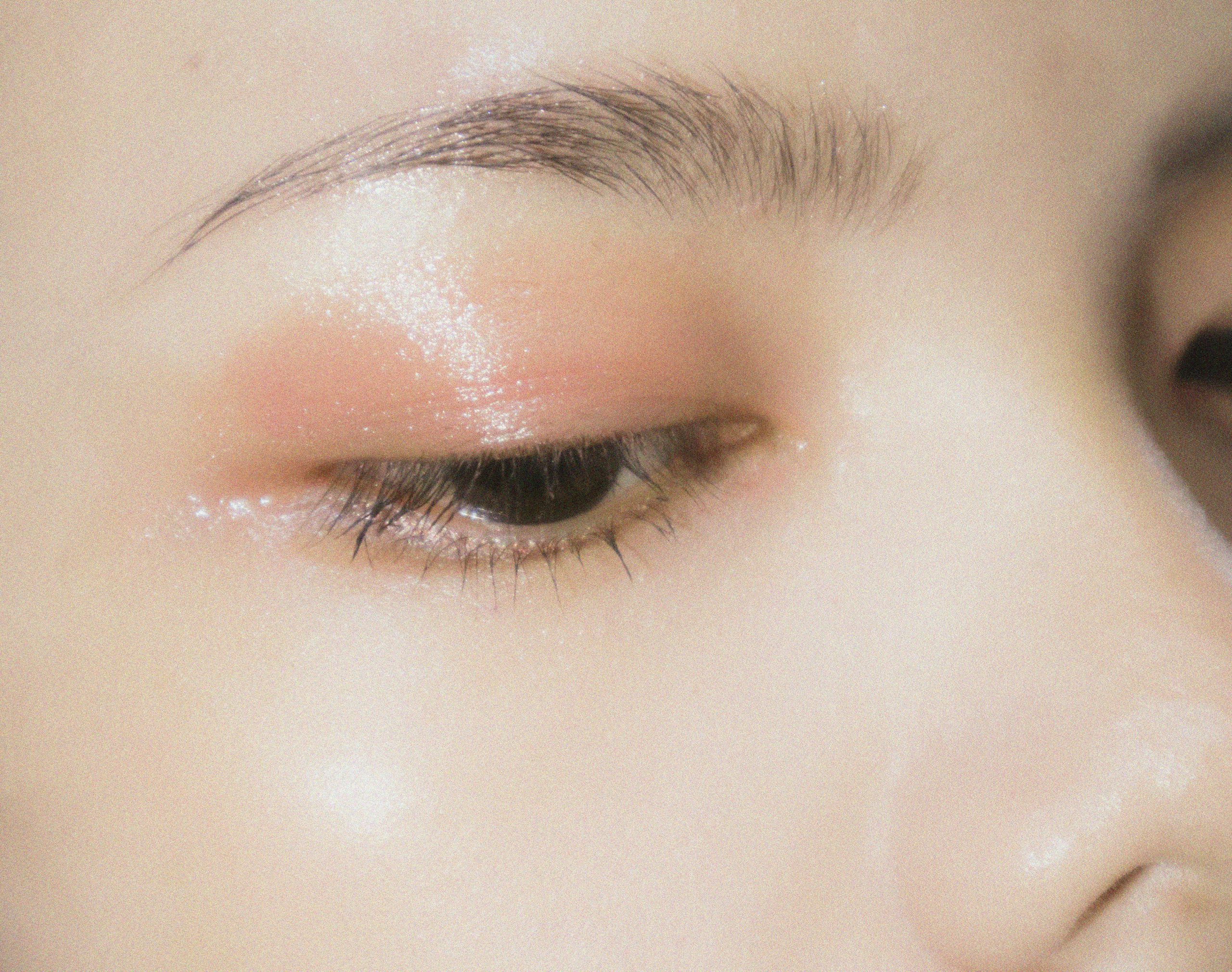
Filipino Gen Z and millennials increasingly favor the “no-makeup makeup look”—a fresh, dewy aesthetic over heavy glam. Hybrid products, often lighter and more natural-looking, fit these preferences perfectly.
Euromonitor International’s 2022 Voice of the Consumer: Beauty Survey, 53 percent of global consumers preferred a natural or no-makeup style, opting for clean, healthy-looking finishes; this was accompanied by a notable 11 percent increase in skincare-tagged beauty product SKUs between March 2021 and 2022. Moreover, interest in moisturizing benefits rose to 39 percent, SPF/sun protection to 22 percent, and products for sensitive skin to 23 percent, highlighting a clear shift toward beauty that emphasizes skin health and subtle enhancement.
This trend resonates strongly in the Philippines as well. A 2024 co-developed study by Meta and Bain & Company revealed that as early as last year, 51 percent of Filipino Gen Z respondents considered beauty and cosmetics a “need” rather than a luxury, underscoring the importance of effective yet effortless beauty solutions in daily life.
- Sustainability and Ethics
Consumers are increasingly prioritizing sustainability and ethical practices when choosing beauty products. According to a 2024 Philippine study titled “Generation Z’s Purchasing Intention of Cruelty-free Cosmetic Products: The Moderating Role of Environmental and Animal Welfare Concerns” (University of Santo Tomas), Gen Z respondents (aged 18–26) residing in Metro Manila strongly favored brands committed to ethical production and environmental stewardship, with these values significantly influencing their likelihood to purchase cruelty-free cosmetics.
Globally, the push for eco-conscious products is equally robust. A 2025 analysis by CosmeticsDesign-Asia reports that 46% of consumers in the US and Europe now rank “not harmful to nature” as a top expectation in beauty products, signaling widespread demand for sustainability.
Further illustrating this trend, a study highlighted by Exploding Topics reveals that over 65% of global consumers are actively seeking environmentally friendly brands, and 55% are willing to pay more for sustainable products.
Challenges and Cautions
- Transparency and Misinformation
The popularity of hybrids also brings risks of exaggerated claims.
According to a 2025 study in the Journal of Posthumanism, misleading beauty content on social media erodes trust and damages brand reputations. Similarly, a March 2025 Carbon Trust analysis found that 12.9% of climate-related beauty claims are considered “high risk” for misleading consumers, highlighting the urgent need for transparency.
- Affordability and Accessibility
While demand is high, affordability remains a challenge. A 2024 AskAttest study found that 55% of Gen Z prioritize affordability when choosing beauty products, outweighing brand loyalty.
Globally, The Business of Fashion’s State of Fashion: Beauty Report (2025) revealed 25% of consumers have “traded down” to cheaper alternatives amid economic pressures.
Meanwhile, in the Philippines, price sensitivity and counterfeit markets amplify the need for accessible, safe, mass-market hybrid lines.
Consumer Guidance
Experts recommend:
- Match hybrids to skin needs (SPF for sun, hyaluronic acid for dryness, niacinamide for tone).
- Patch-test to avoid allergic reactions.
- Maintain core skincare routines—hybrids should complement, not replace, sunscreen and moisturizers.
- Purchase only from verified sellers to avoid counterfeits.
Skincare-infused makeup represents a deeper cultural change in Philippine beauty. What began as a novelty from K-beauty has become a mainstay of local routines, embodying Filipino values of practicality, wellness, and authenticity.
With both local and global brands investing in this space, hybrids are poised to define the future of beauty in the Philippines, where makeup is no longer just about looking good, but also about taking care of the skin.
DISCLAIMER
This article provides general information and does not constitute medical advice. Consult your healthcare provider for personalized recommendations. If symptoms persist, consult your doctor.