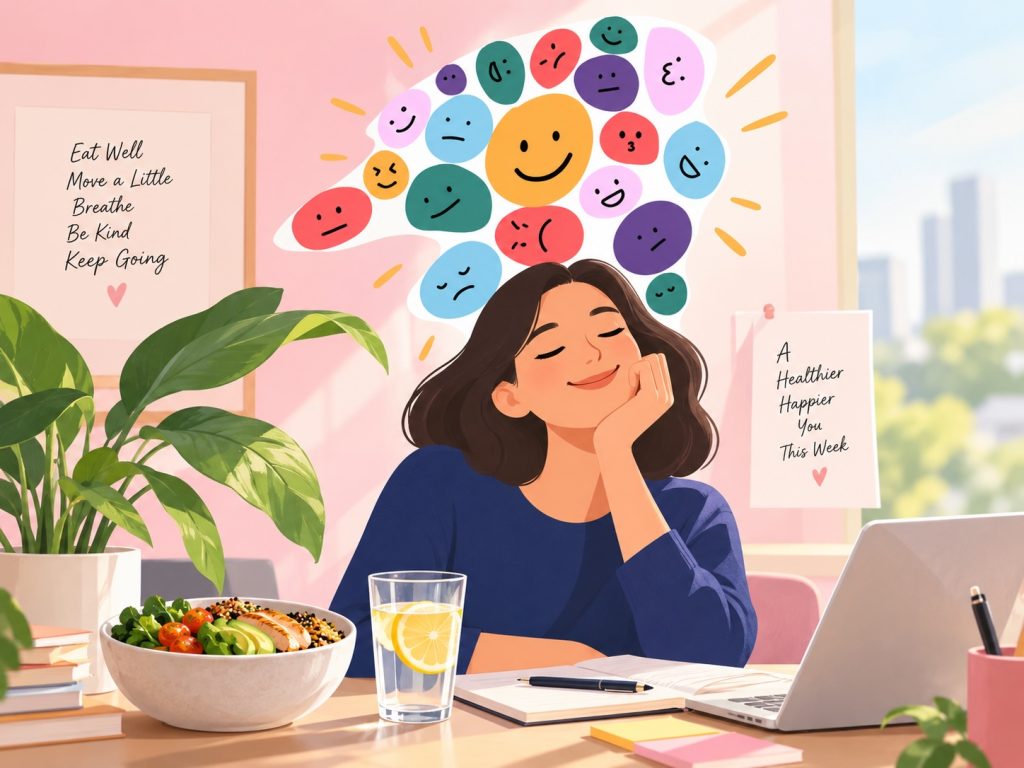


In an age where our calendars dictate our identities and notifications compete for our attention, the greatest luxury may no longer be the latest handbag, a seat on a private jet, or even a coveted table at a Michelin-starred restaurant.
Increasingly, it is stillness — the rare ability to step back, slow down, and inhabit the present — that defines a life of privilege.
And more than a fleeting indulgence, this movement toward stillness holds a deeper promise: longevity.
To rest well, to slow down with intention, and to embrace mindful living is not simply a lifestyle trend, but a way to add years to our lives and life to our years.
READ: 80 Years of Insights on a Happy and Healthy Life
The Economics of Rest
Ironically, stillness is costly.
Retreats in Tuscany promise digital detox under olive trees; Japanese ryokans invite guests to practice meditative bathing in steaming onsen; Aman resorts market not the infinity pool, but the silence around it.
Time, once measured in productivity, is now the commodity of choice. Those who can afford to log off and immerse in rituals of quiet are signaling not just wealth but mastery over the one resource no amount of money can extend: time itself.
But there’s a paradox here. While we cannot buy more time, the practices of rest and stillness may, in fact, give us more of it.
Research consistently shows that stress reduction, deep rest, and balanced rhythms of living are tied to greater longevity. In the Philippines, the rise of wellness spas, boutique meditation studios, and curated weekend retreats reflects this growing awareness.
A weekend at The Farm at San Benito or a guided mindfulness workshop in Tagaytay is no longer framed as indulgence — it is seen as investment in one’s health span.
READ: Understanding the Aging Process
Sleep as the New Status Symbol
Eight hours used to be a baseline; now, it is an achievement. Sleep-tracking rings and luxury bedding are marketed with the fervor once reserved for designer sneakers.
Gwyneth Paltrow has called sleep “the biggest luxury” in modern life, while Arianna Huffington turned her own collapse from exhaustion into a global movement advocating for rest.
Science offers the proof: sleep improves memory, strengthens immunity, and helps regulate metabolism. Chronic sleep deprivation, on the other hand, is linked to shorter lifespans, faster cellular aging, and a higher risk of diseases like diabetes and heart conditions.
In other words, rest is not just restorative — it is protective. A well-rested body is not only fresher today but is more likely to thrive tomorrow.
Sleep is, quite literally, a nightly investment in longevity.
Mindfulness as Currency
Meditation, once relegated to monasteries, now enters boardrooms and luxury retreats. Global CEOs speak of mindfulness as their performance edge, athletes describe flow states as secret weapons, and wellness programs integrate guided silence into itineraries as if it were champagne.
Yet mindfulness is more than a productivity hack — it is a longevity practice. Studies show that mindfulness reduces cortisol levels, lowers blood pressure, and supports brain health.
By training the mind to dwell in the present, practitioners buffer themselves from the corrosive effects of chronic stress, which accelerates aging at the cellular level.
To practice stillness, as a component of mindfulness then, is not just to declare, I have the space to sit with myself. It is to quietly affirm, I am extending the quality—and possibly the length—of my life.
HEAR YOUR INNER VOICE AND RECONNECT WITH YOURSELF AGAIN
The Rise of Wellness Tourism
According to the Global Wellness Institute, wellness tourism is projected to reach over $1.4 trillion by 2027. This is not travel as conquest of destinations, but travel as return to the self.
Retreats now offer sound baths, forest bathing, and breathwork, with souvenirs measured not in trinkets but in lowered heart rates and recalibrated nervous systems.
For those concerned with longevity, these offerings hold appeal. Practices like forest bathing have been linked to reduced inflammation and enhanced immune function, while mindfulness retreats can positively impact markers of biological aging.
The Philippines, with its tropical serenity, lush landscapes, and deep spiritual traditions, is uniquely positioned. What Boracay once was to party seekers, Siargao or Palawan may soon be for seekers of mindful rest and holistic longevity.
READ: Understanding Longevity — Living Longer, Healthier Lives
Reclaiming Stillness for a Longer Life
Luxury has always been about scarcity. In the 1980s, it was logos; in the 2000s, it was experiences. Today, it is stillness. The privilege of disconnecting — truly disconnecting — has become an emblem of the elite, but it is also a universal human need.
Stillness is not idleness; it is presence. It is the deep breath taken between meetings, the device-free dinner, the nap that restores more than energy.
To cultivate it is to recognize that the truest form of luxury is not in accumulation but in sustainability — the sustaining of energy, of joy, and of years.
In the end, the new aspiration may not be to have it all, but to savor enough: enough space, enough quiet, and enough time to enjoy a life well lived, and well extended.
Because longevity, after all, is not just about adding years to our lives. It is about adding value to our years — and stillness is where that begins.
Further Reading
If this piece has sparked your curiosity, you might enjoy diving deeper into these works:
- The Blue Zones by Dan Buettner — timeless lessons from the world’s longest-living communities
- Why We Sleep by Matthew Walker — a fascinating journey into the science of rest and its power to lengthen our years
- In Praise of Slow by Carl Honoré — a reminder that unhurried living can be both beautiful and wise
- Resources from the National Institute on Aging and the World Health Organization — gentle guides on nurturing health and longevity across a lifetime
Photo by Alex West on Unsplash
DISCLAIMER
This article provides general information and does not constitute medical advice. Consult your healthcare provider for personalized recommendations. If symptoms persist, consult your doctor.