

This article is based on an interview with Stanford psychologist Laura Carstensen, originally published on Stanford News.
As humans increasingly live to 100 and beyond, the implications for society are vast.
Laura Carstensen, a Stanford psychologist, is at the forefront of understanding these changes and ensuring we make the most of our extended lifespans. Her journey into the study of aging began unexpectedly after a car accident at age 21.
As Carstensen recalls, “I got interested in aging following a car accident I was in when I was 21 years old.”
While recovering in an orthopedic ward, she observed disparities in how younger and older patients were treated, sparking a lifelong interest in the social and psychological aspects of aging. She noted, “I started to see that because of my age, I was treated differently.”
READ: The Harvard Study of Adult Development — 80 Years of Insights on a Happy and Healthy Life
The Paradox of Aging: Emotional Well-being Improves
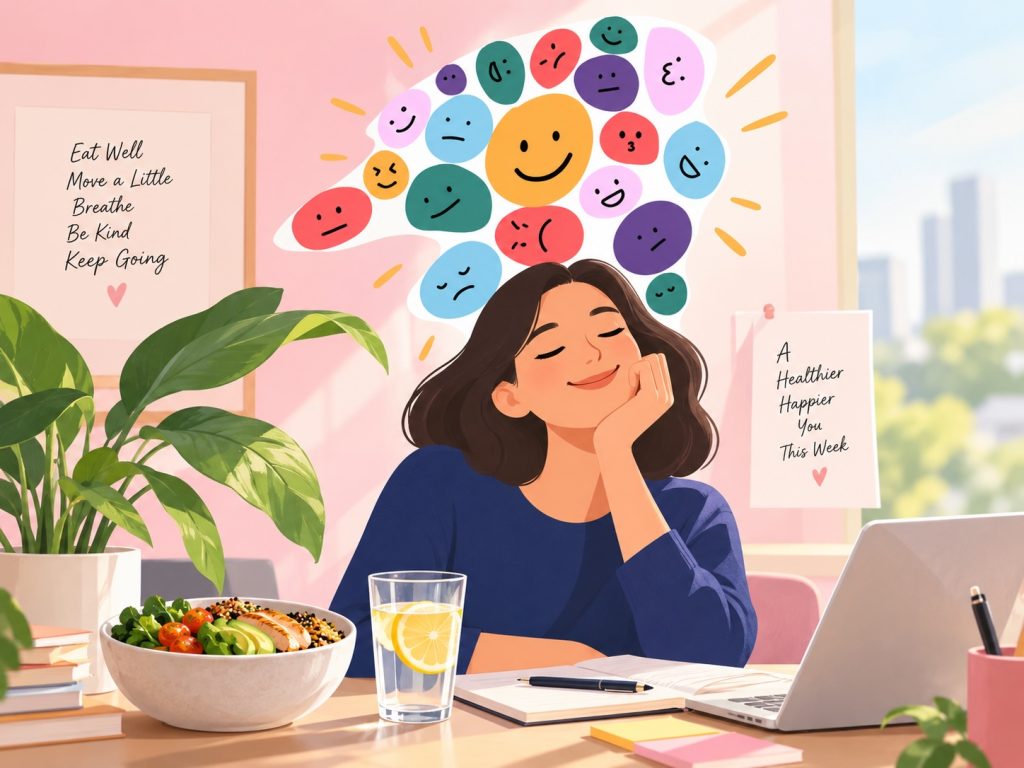
Carstensen’s research reveals a fascinating paradox: emotional well-being tends to improve with age.
Contrary to popular belief, young adulthood can be a period of significant emotional turmoil, with well-being increasing as we grow older. This phenomenon is linked to our perception of time.
When we have open-ended future time horizons, typical of youth, we prioritize exploration and learning, which can be challenging and filled with uncertainty. As we age and our perception of time shifts, we tend to focus more on emotional balance and positive experiences.
As Carstensen states, “Late adolescence and early adulthood are the worst years for emotional well-being, and it gets better over time.”
The Bright Side of Aging: Focusing on the Positive
One key finding from Carstensen’s work is that older adults often attend more to positive information than negative information, a shift from the negativity bias often observed in younger individuals.
This shift contributes to greater emotional stability and a more balanced outlook on life. In fact, “Positive stimuli are what people attend to more than negative stimuli” as people age.
READ: Understanding the Aging Process — Key Facts, Stages, and Lifestyle Factors
A New Map of Life: Adapting to Longevity
With increasing longevity, Carstensen emphasizes the need to rethink how we approach various aspects of life. The world was largely built by and for young people, a model that doesn’t quite fit the reality of century-long lives.
This calls for a “New Map of Life” that considers the profound impact of longevity on education, work, marriage, financial planning, retirement, housing, health, and overall happiness.
According to Carstensen, “Longevity is going to change almost all aspects of our lives.”
The Stanford Center on Longevity: Creating a Supportive Environment
According to Carstensen, we must quickly create an environment that supports longer lifespans.
The Stanford Center on Longevity, which she co-founded, aims to address this challenge by conducting research and developing solutions to ensure that longer lives are not just longer, but also better. This requires innovative approaches to health, well-being, education, work, retirement, and financial planning.
The goal is to “ensure that a longer life span is a good thing and not a bad thing.”
WHAT HABITS ARE YOU DEVELOPING TO LIVE A LONG, HEALTHY, HAPPY LIFE? LOG THEM HERE.
Embracing an Age-Diversified World
Carstensen hopes we can appreciate each stage of life and look forward to growing older in an age-diversified world. Recognizing the unique strengths of older adults – their pro-social behavior, emotional even-handedness, accumulated knowledge, and experience – is an incredible resource for society.
Appreciating longevity has never been more important, and by embracing these changes, we can create a future where everyone has the opportunity to thrive, regardless of age.
As Carstensen puts it, “My hope is that we come to appreciate each stage in life while we’re in it, and that we can look forward to growing up and growing old in an age-diversified world.”
Source: Longevity is going to change almost all aspects of our lives, Stanford Report (August 13, 2025)
DISCLAIMER
This article provides general information and does not constitute medical advice. Consult your healthcare provider for personalized recommendations. If symptoms persist, consult your doctor.