
By: Melody Samaniego
For those who came before Millennials and Gen Z, the world we live in now might seem like a science-fiction novel come to life. Smartphones in every hand, AI taking over, even ordering dinner by talking to a speaker on the counter.
Sometimes, it feels as if the younger generations have been rewired by technology itself. And yet, amid all the modern marvels, some things remain as ancient and as vital as ever.
One of them is breastfeeding.
It’s National Breastfeeding Awareness Month, and while rates of childbirth have declined, let’s not be quick to assume Millennials and Gen Z are turning their backs on parenthood entirely. Research shows they’re simply taking their time, choosing smaller families, and making deliberate choices about how to raise them.
Imagine a young couple today—careers on the rise, choices wide open, their lives filled with travel, goals, and freedom. Children may not yet be part of the plan, and that’s perfectly fine. But if the day ever comes when they decide to become parents, knowing about this crucial window can make all the difference.
READ: Breastfeeding Support — A Global Priority with a Focus on the Philippines
Think of it as future-proof wisdom: a guide in the back pocket, ready to unfold when life takes that turn. The decisions in those early days of parenting — especially in the first 1000 days of life — will quietly shape children’s health and well-being for years to come.
Every drop and every bite during these years can affect a child’s future.
From the moment a baby takes its first breath, a clock quietly begins to tick. The days spanning from pregnancy to a child’s second birthday form a window of opportunity unlike any other. Nutrition during this time does not simply fuel growth; it can influence everything from immunity and brain development to emotional resilience.
At the heart of this golden period is breastfeeding.
Recognized globally as the gold standard of infant nutrition, breastfeeding offers far more than sustenance. As a recent review published in the MDPI Journal of Clinical Medicine highlights, every drop of breast milk carries a symphony of nutrients, hormones, and protective agents designed by nature to nurture both body and mind.
Why the First 1,000 Days Matter
The first 1,000 days of life are not just about survival—they’re about setting a child up to thrive.
During this critical window:
- Brain development accelerates at a pace never again matched in life
- Immune systems are fortified through breastfeeding, helping guard against illnesses
- Nutritional habits formed through early feeding influence a child’s relationship with food
Modern science affirms what our ancestors instinctively knew: nurturing in those earliest years is love that echoes into lifelong health.
The Role of Breastfeeding
Breast milk remains one of nature’s most extraordinary gifts. Rich in antibodies, nutrients, and growth factors, it provides the perfect start. A 2025 article published in the MDPI Journal of Clinical Medicine puts it plainly: breast milk is not just food — it’s a finely tuned biological system.
Here are the findings of the review:
- Nervous and immune system boost: Breast milk delivers compounds that aid brain development, while antibodies fortify the immune system
- Better sleep and emotional security: Hormones such as tryptophan, serotonin, and melatonin help regulate a baby’s sleep and foster bonding
- Maternal well-being: Mothers who breastfeed are at lower risk of postpartum depression, cardiovascular disease, hypertension, and diabetes
In short, breastfeeding is more than sustenance — it is medicine, comfort, and connection wrapped into one.
Exclusive breastfeeding for the first six months — followed by continued breastfeeding with complementary foods up to two years and beyond — has been consistently linked to stronger immunity, higher intelligence scores, and healthier weight.
For modern parents navigating busy careers, the choice may seem daunting. But with the right support — be it workplace policies, community encouragement, or family understanding — breastfeeding becomes not only possible but empowering.
WHEN YOU BREASTFEED, YOU NEED TO LOG YOUR SCHEDULE. HERE’S A PERFECT PLACE.
The Bigger Picture: Nutrition Beyond Milk
Of course, the journey doesn’t end with breastfeeding. The introduction of diverse, nutrient-dense foods after six months lays down lifelong eating patterns. Iron-rich cereals, colorful fruits, vegetables, and healthy fats all play their part in building a child’s physical and cognitive foundation.
Here, Millennials and Gen Z may actually have the advantage. These generations are generally more health-conscious, label-reading, and wellness-minded than their predecessors. Translating that same mindfulness into family nutrition could prove to be one of their greatest strengths as parents.
An Image of the Future
Picture this: A decade from now, a young professional sits at a café, latte in hand, scrolling through messages between meetings. This is the outcome of choices some parents once made. The breastfeeding, the wholesome foods introduced at the right time, the love poured into daily routines.
Those decisions — made long before a child could walk or talk — have rippled forward into a stronger immune system, clearer focus, and a quiet resilience that carries an individual through life’s pressures.
This is the unseen power of the first 1000 days: moments of care and intention that silently build joyfully well adults of tomorrow.
Closing Thought
Parenting in the modern world will always come with challenges. But within the noise of apps, advice, and shifting expectations lies a timeless truth: the first 1,000 days are where futures are quietly built.
For today’s — and tomorrow’s — parents, this is not just a responsibility but a remarkable opportunity.
The science is clear: breastfeeding is more than a personal choice. It is an investment in the health of a generation, with ripple effects on families, communities, and societies. It is a timeless reminder that care given in the smallest, earliest moments shapes futures in ways we can’t always see.
The first 1,000 days are a fleeting window, but the impact lasts a lifetime.
And for those who may one day walk the path of parenthood, this is knowledge worth holding close.
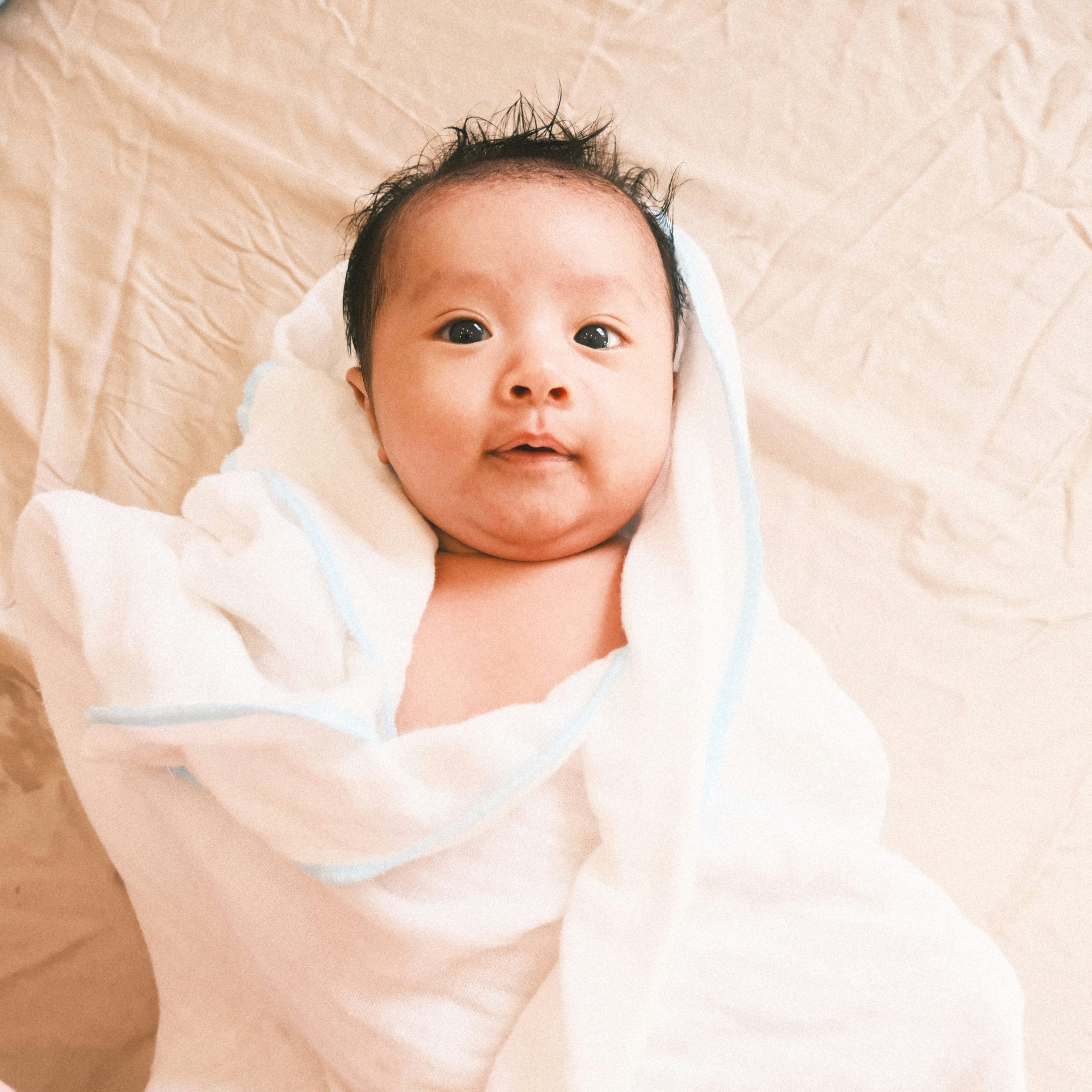
Photo by Trung Nhan Tran on Unsplash
DISCLAIMER
This article provides general information and does not constitute medical advice. Consult your healthcare provider for personalized recommendations. If symptoms persist, consult your doctor.