In today’s world, climate change isn’t just an environmental issue; it’s a growing mental health crisis.
“Eco-anxiety,” a term gaining traction, reflects the distress and worry many feel about the future of our planet. This article explores how ecotherapy, a nature-based therapeutic approach, can provide solace and strategies for managing climate change anxiety.
Understanding Eco-Anxiety
Eco-anxiety encompasses a range of emotions, including fear, grief, and helplessness, stemming from concerns about ecological disasters and the perceived lack of action to address them.
While not formally recognized as a diagnosable condition, its impact is undeniable, particularly among younger generations.
Terms like “ecological grief,” “climate anxiety,” and “nature deficit disorder” highlight the increasing awareness of this phenomenon (Taylor, 2022). As noted in a Nature article by Helen Pearson, climate change is exacerbating mental disorders, already affecting almost one billion people globally.
READ: The Rise of ‘AI Psychosis’ — A Growing Mental Health and Societal Concern
The Impact on Mental Health
The climate crisis is directly impacting mental well-being. Extreme weather events, ecological damage, and the constant stream of negative news contribute to heightened anxiety levels.
Studies reveal that young people are particularly vulnerable, expressing significant fear and distress about the future (Taylor, 2022). This anxiety can manifest in various ways, affecting daily functioning and overall quality of life.
According to the Psyche guide, climate anxiety can become problematic when worries are repetitive, constant, and interfere with daily activities, potentially leading to clinical anxiety or depression (Celeste, 2024).
The Nature article highlights research indicating that over half of people aged 16-25 report feeling sad, anxious, or powerless regarding climate change.
Global Perspectives on Eco-Anxiety
The Nature article emphasizes that eco-anxiety isn’t limited to high-income countries. A 2021 global survey revealed that the impact of climate change on daily functioning was highest in the Philippines, India, and Nigeria).
This shines a spotlight on the reality that those directly experiencing the devastating effects of climate change, such as extreme weather events, are particularly vulnerable to mental health challenges.
READ: No Shame in Seeking Professional Mental Health Help — Removing the Stigma
Ecotherapy: A Nature-Based Solution
Ecotherapy recognizes the intrinsic connection between humans and the natural world. By engaging in activities that foster this connection, individuals can experience a range of mental health benefits.
Ecotherapeutic practices include:
- Spending time in nature: Hiking, gardening, or simply sitting in a park can reduce stress and improve moo
- Mindfulness in nature: Paying attention to sensory experiences in nature, such as the sounds of birds or the feel of the earth, can promote relaxation and grounding
- Conservation activities: Participating in environmental projects, such as tree planting or habitat restoration, can instill a sense of purpose and empowerment
Strategies for Coping with Climate Anxiety
The Psyche guide “How to cope with climate anxiety” offers several strategies for managing these feelings, which include (Celeste, 2024):
- Recognizing and accepting feelings: Acknowledge and validate your emotional response to climate change, understanding it as a manifestation of the adaptive stress response
- Practicing relaxation techniques: Use techniques like diaphragmatic breathing and mindfulness meditation to calm the body and create distance from distressing thoughts
- Challenging catastrophic thoughts: Identify and challenge worst-case scenario thinking by disputing the evidence and focusing on realistic alternatives
- Limiting doomscrolling: Reduce exposure to negative climate news and seek balanced sources that also highlight potential solutions
- Seeking safe spaces: Connect with others in support groups or climate cafés to share feelings and build solidarity
- Taking collective action: Engage in community initiatives and advocacy to address climate-related issues and foster a sense of empowerment
EXPERIENCING ANXIETY? HERE’S A SAFE SPACE FOR YOUR THOUGHTS (AND SYMPTOMS).
The Importance of Action and Addressing Systemic Issues
The Nature article points out that feelings of eco-anxiety are not necessarily a sign of dysfunction but can be a rational response to a real threat. Engaging in climate action and activism can be helpful in managing these feelings.
However, it is crucial to remember that individuals are not solely responsible for the problem and that systemic change is needed to address the root causes of climate change.
Finding the “Sweet Spot”
Ecotherapy, as highlighted by Taylor (2022), aims to help individuals find a “sweet spot” – a balance between acknowledging the severity of the climate crisis and maintaining mental well-being.
This involves accepting the current situation without succumbing to apathy or despair. Instead, it encourages proactive steps toward positive change.
Climate change presents a significant challenge to our mental health. Ecotherapy, strategies outlined in the Psyche guide, and insights from the Nature article offer a promising approach to managing eco-anxiety by reconnecting individuals with nature, promoting proactive coping mechanisms, and emphasizing the importance of collective action and systemic change.
By embracing these approaches, we can cultivate resilience, find hope, and contribute to a more sustainable future.
Sources
- How Ecotherapy Can Soothe Climate Change Anxiety, Psychology Today (10 August 2022)
- How to cope with climate anxiety, Psyche (15 May 2024)
- The rise of eco-anxiety: scientists wake up to the mental-health toll of climate change, Nature (10 April 2024)
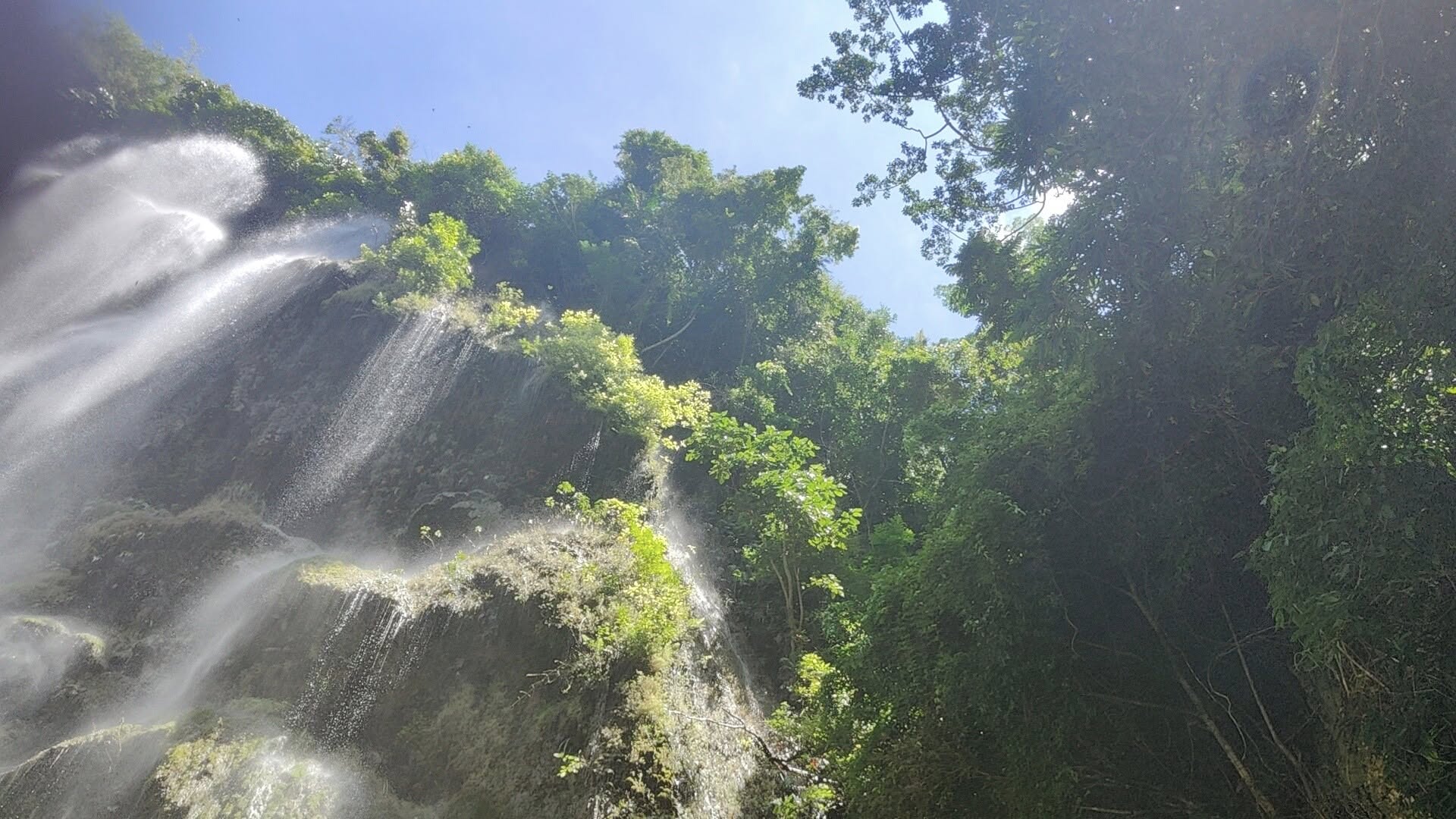
Tumalog Falls (Cebu) photo by Kai Magsanoc
DISCLAIMER
This article provides general information and does not constitute medical advice. Consult your healthcare provider for personalized recommendations. If symptoms persist, consult your doctor.