As the World Health Organization (WHO) and UNICEF jointly call on countries worldwide to bolster their investments in health systems and provide robust support to breastfeeding mothers, the Philippines is actively taking steps to promote and enhance breastfeeding practices.
This global appeal coincides with Breastfeeding Awareness Month in the Philippines, highlighting the nation’s commitment to improving infant health, development, and survival through breastfeeding.
Breastfeeding is globally recognized as a cornerstone for infant health, serving as a baby’s first vaccine and offering essential protection against diseases like diarrhea and pneumonia.
While the global rate of exclusive breastfeeding for infants under six months stands at 48%, below the World Health Assembly’s target of 60% by 2030, the Philippines faces its own challenges and is implementing various initiatives to address them.
Millions of mothers worldwide still lack access to timely and skilled support within healthcare settings, and health systems often struggle to provide consistent, evidence-based breastfeeding support. Recognizing these challenges, WHO and UNICEF are urging governments, health administrators, and partners to prioritize investments in high-quality breastfeeding support.
BREASTFEEDING? LOG YOUR SCHEDULE IN THIS HELPFUL JOURNAL
Breastfeeding in the Philippines: Initiatives and Challenges
In the Philippines, the Department of Health (DOH) is spearheading a nationwide campaign called “One Breastfeeding Philippines: Yakap Hakab” to raise awareness about the importance of exclusive breastfeeding and foster community-wide support for mothers and infants.
As part of this initiative, around 200 mothers gathered in Taguig City on August 1, 2025, to participate in a simultaneous breastfeeding event, marking the start of Breastfeeding Awareness Month in the country.
According to the latest National Nutrition Survey, only 50.4% of Filipino infants are exclusively breastfed during their first six months. The DOH also acknowledges that the number of children receiving adequate complementary feeding alongside continued breastfeeding from six months to two years remains low.
One of the primary reasons cited for the decline in breastfeeding rates is the lack of awareness and access to accurate information.
To combat this, the DOH is emphasizing stronger collaboration across all levels of society, highlighting the critical role of a supportive environment in empowering mothers to breastfeed successfully.
As part of the “Yakap Hakab” campaign, breastfeeding kits containing essential items like breastfeeding covers, tumblers, and thermal bags were distributed to participating mothers, providing practical support and boosting their confidence to continue breastfeeding for at least two years.
Global Recommendations and Local Action
Echoing the global recommendations from WHO and UNICEF, the Philippines is focusing on:
- Ensuring adequate investment in equitable, quality maternal and newborn care, including comprehensive breastfeeding support services
- Integrating breastfeeding counseling and support into routine maternal and child health services
- Equipping health service providers with the necessary skills and knowledge to support breastfeeding effectively
- Strengthening community health systems to provide ongoing, accessible breastfeeding support to new mothers
By aligning with global recommendations and implementing targeted local initiatives, the Philippines is striving to improve breastfeeding rates and create a supportive environment for mothers, ultimately contributing to the health and well-being of Filipino children.
As WHO and UNICEF champion the cause of investing in health systems and supporting breastfeeding mothers worldwide, the Philippines serves as an example of a nation actively working to address its own breastfeeding challenges.
Through collaborative efforts, increased awareness, and practical support, the Philippines is committed to ensuring that more Filipino children receive the life-changing benefits of breastfeeding.
Sources:
- On World Breastfeeding Week, countries urged to invest in health systems and support breastfeeding mothers, World Health Organization (WHO) and UNICEF, August 4, 2025
- 200 moms promote infant health via simultaneous breastfeeding, Philippine News Agency (PNA), August 1, 2025)
- Breastfeeding, World Health Organization (WHO)
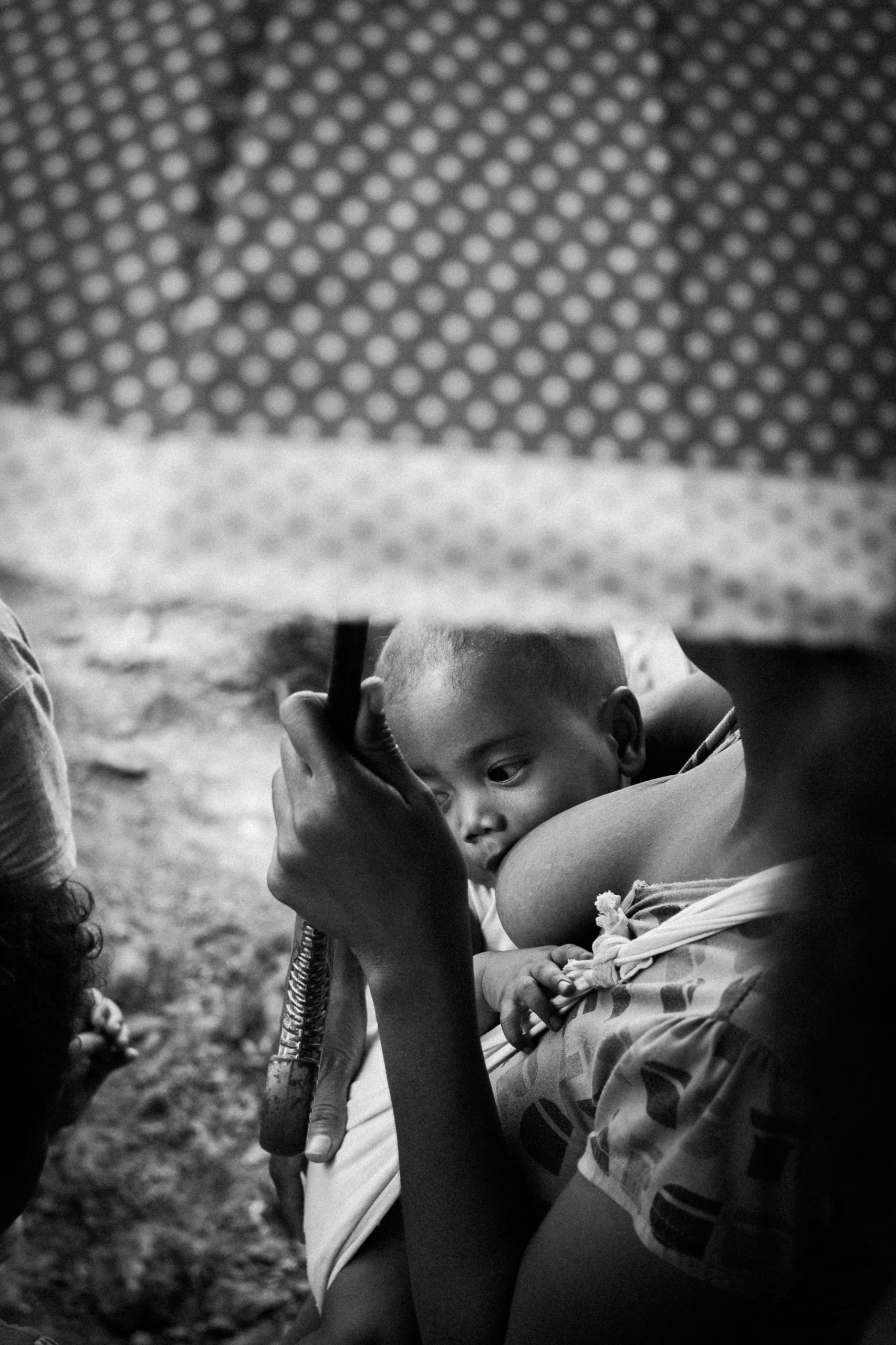
Photo by Eibner Saliba on Unsplash