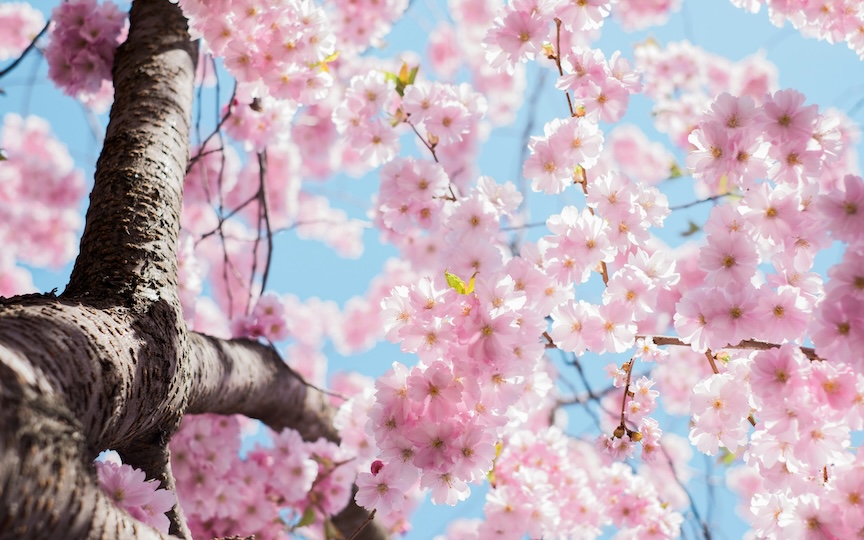
The first thing you notice about Luz, 58, is her stillness. She sits by the window every morning, facing the garden she can no longer see but still remembers—the bougainvillea she planted the year her son was born, the bamboo wind chime that sways to the same old breeze.
“I don’t see the colors anymore,” she says softly, “but I still feel them.”
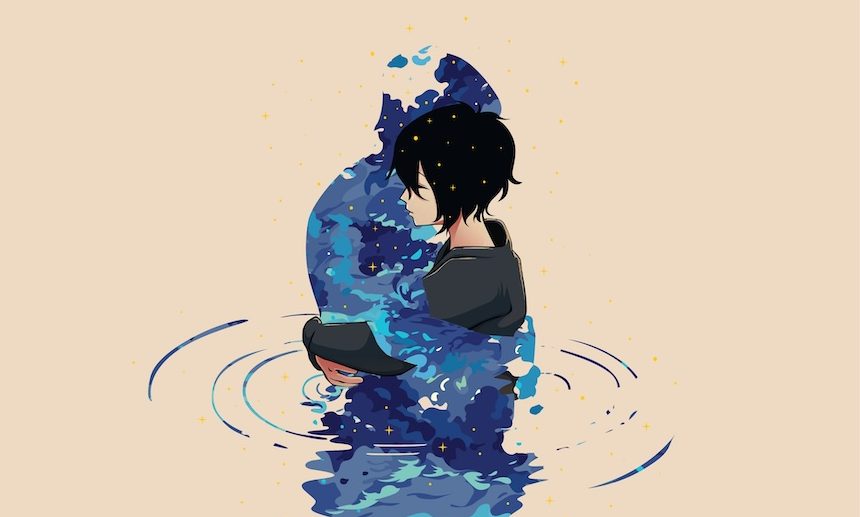
Diagnosed with age-related macular degeneration five years ago, Luz’s world has slowly blurred at the edges. Once a teacher who loved reading to her students, she now reads by touch—her fingers tracing the raised dots of Braille devotionals or the cool contours of a rosary. What remains, she tells me, is not a loss but a shift. “You learn to see differently. Maybe not with the eyes, but with something that remembers beauty even when it fades.”
TAKE CARE OF YOUR EYES LIKE IT’S A PROJECT. PLOT YOUR PLAN HERE.
World Sight Day reminds us that over 2.2 billion people worldwide live with some form of vision impairment, according to the World Health Organization. And yet, behind each statistic is a singular, tender story—of someone learning to navigate light and shadow in new ways.
Ophthalmologists call it neuroplasticity—the brain’s ability to adapt to sensory change. When sight diminishes, other senses step up: sound sharpens, touch refines, memory blooms. The world doesn’t disappear—it reorganizes itself.
“I can tell who’s entering the room by the rhythm of their footsteps,” Luz says with a smile. “And I know when it’s about to rain by the smell of the air.”
There’s poetry in that—a quiet rediscovery of the body’s forgotten vocabulary.
READ: Beauty Without Barriers — Breaking Stereotypes with Cerebral Palsy
The Beauty of Seeing Differently
We often think beauty belongs to those who can see it—the sunset, the art, the mirror. But sight, as Luz reminds us, is not the only doorway to wonder. It is possible to find beauty in texture, resonance, warmth, and presence.
When we close our eyes, we begin to perceive the world as a symphony of impressions rather than a hierarchy of appearances. Science supports this: a study in Frontiers in Human Neuroscience found that people who lose vision often report heightened emotional and sensory awareness—what some call “compensatory seeing.”
There is beauty, too, in the metaphors of blindness. To “see” can mean to understand, to accept, to love. The eyes may dim, but perception deepens. Perhaps this is the kind of vision the world sorely needs—one that looks beyond appearances toward essence.
READ: Maganda ang Tulog — How Filipino Culture Knew the Secret of Beauty Sleep All Along
The Cost of Neglect, the Call to Care
Preventable vision loss remains one of the great global health injustices. Around 90% of those with vision impairment live in low- and middle-income countries, where access to eye care is limited. In the Philippines alone, the Department of Health estimates that more than two million Filipinos are living with some degree of visual disability, many of which could have been prevented through regular checkups, balanced nutrition (especially Vitamin A and Omega-3 fatty acids), and early treatment of diabetes or hypertension.
Luz is part of a local support group where members share practical tips—like marking stove knobs with textured stickers, organizing clothes by fabric, or using talking watches. But more than that, they share companionship. “We remind each other that we are not our diagnosis,” she says. “We’re still whole, still capable of joy.”
A Meditation on Sight and Self
When I asked Luz what she misses most, she paused for a long while. Then she said, “Not the seeing. The noticing. When you have sight, you think you’ll always have time to look. But you don’t.”
Her words linger like light through curtains. To notice is a form of love, and perhaps that is the lesson of fading vision—to teach us that every glance, every color, every sunrise is borrowed light. That wellness is not about having perfect sight, but about living with open eyes, whether or not they see.
As World Sight Day calls for universal access to eye care, may we remember that sight is more than an organ’s function—it is the art of attention. And attention, like love, can heal what it touches.
Takeaway:
To see is not merely to look—it is to be fully present. World Sight Day is not only a call for eye health but an invitation to perceive life with care, compassion, and wonder.
References:
- World Health Organization. World Report on Vision, 2023.
- Department of Health (Philippines). National Vision Screening Program Report, 2024.
- Frontiers in Human Neuroscience. “Compensatory Sensory Perception in the Visually Impaired,” 2022.
- American Academy of Ophthalmology. Age-Related Macular Degeneration Facts and Prevention, 2024.
- Harvard Medical School. Nutrition and Eye Health: The Role of Antioxidants and Omega-3s, 2023.
Photo by Rafael Garcin on Unsplash