

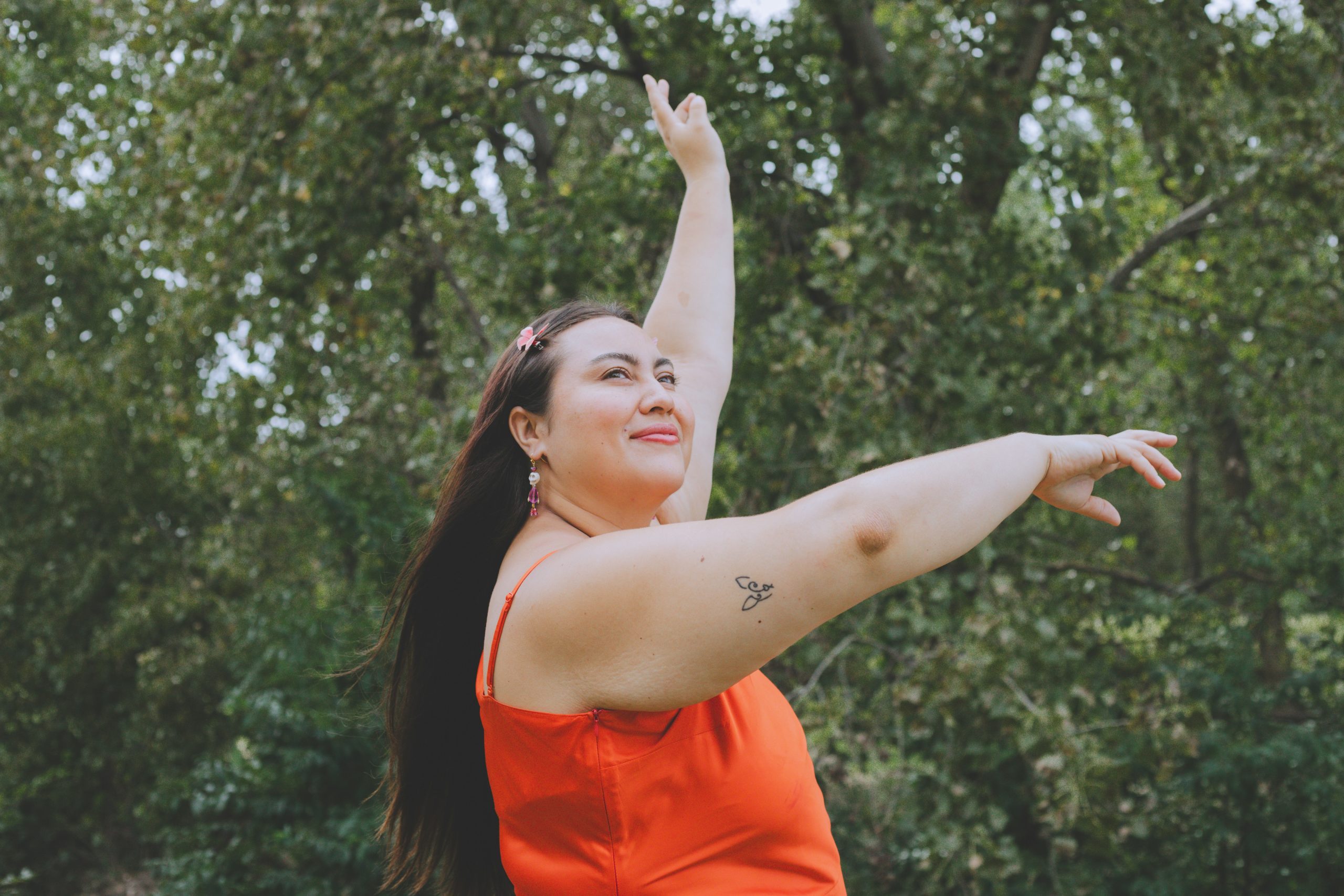
The rains have been pouring in September, and with them, the familiar pull of bed weather. The pitter-patter on the roof makes us want to curl up under the sheets, sip something warm, and linger in the quiet.
But too much lingering has a cost. Lethargy creeps in, our bodies stiffen, and the longer we stay still, the harder it is to move.
This is where dance comes in—not only as an antidote to the heaviness of the season, but as a joyful way to fight one of the most pressing health issues in the Philippines today: obesity.
According to the World Health Organization (WHO), the prevalence of obesity in the country has steadily risen in recent decades, with over 27 million Filipino adults overweight or obese.
Beyond appearances, obesity raises risks for diabetes, heart disease, hypertension, and even certain cancers.
But here’s the hopeful news: movement, especially through music and dance, offers both preventive and therapeutic power that anyone can access—even in the smallest living room on a rainy day.
TRACK YOUR MOVEMENT JUST AS YOU TRACK YOUR DIET. THIS WILL HELP.
The Science Behind Dance and Wellness
Dance is more than just a form of art or recreation. It is exercise, therapy, and celebration rolled into one. Research shows that dance uniquely combines physical exertion with emotional expression and social interaction—factors that together support holistic wellness.
A study published in the Journal of Physical Education and Sport (2018) found that overweight women who participated in regular dance therapy not only lost weight but also showed significant improvements in psychological well-being, self-esteem, and social engagement.
Similarly, research highlighted in ScienceDirect demonstrated that dance therapy can enhance self-body image among obese participants, helping them develop healthier relationships with themselves.
Physiologically, dance improves cardiovascular endurance, flexibility, and muscular strength. At the neurological level, music stimulates brainwaves, triggers the release of dopamine and serotonin (the “feel-good” chemicals), and reduces stress hormones like cortisol.
Dance and music together also improve coordination, balance, and memory—making them powerful allies not just against obesity but also against mental health struggles.
The Journal of Alternative and Complementary Medicine as early as 1995 recognized the power of dance in promoting healing, showing how rhythmic movement and music can help release trauma stored in the body, enhance mood, and restore a sense of connection.
READ: Compounded Semaglutide — What You Need to Know About Safety and Risks
Obesity and the Filipino Context
In the Philippines, obesity is often framed as a problem of excess—too much food, too much sugar, too much sitting. But it is also a problem of lack: lack of awareness, lack of accessible fitness programs, and sometimes, lack of spaces for movement.
The rainy season amplifies these barriers. Flooded streets make outdoor activities harder, while cultural tendencies to celebrate with food—even in small gatherings—mean calories pile up faster than they are burned.
Combined with an increasingly sedentary lifestyle brought about by digital entertainment, obesity becomes an almost silent epidemic.
But dancing, uniquely Filipino in spirit, offers a culturally resonant solution. We are, after all, a nation of fiestas, karaoke, and TikTok moves.
Movement to music is embedded in our DNA. It requires no fancy gym membership, no specialized equipment—just a willingness to let the body sway, stomp, or step to a beat.
READ: Obesity Surges as Malnutrition Grips Filipinos’ Health
From Laziness to Lightness: Dancing Away the Bed Weather
So how does one shift from rainy-day lethargy to joyful motion? It begins with one small step—literally.
- Start with a Song You Love
Put on music that lifts your spirit. Studies show that familiar, upbeat tunes are more likely to trigger dopamine release and encourage spontaneous movement. Whether it’s OPM classics, disco hits, or K-pop, the key is enjoyment.
- Make It a Ritual
Instead of collapsing on the couch after work, dedicate 10 minutes to movement. Think of it as a “dance snack”—short bursts of activity that energize the body. Over time, these accumulate into meaningful health gains.
- Engage the Household
Dancing is more fun together. Turn rainy nights into dance challenges with family, or use virtual platforms to join global communities. Social dancing boosts accountability and strengthens bonds.
- Use Dance as Therapy
Beyond weight loss, dance is a powerful emotional release. Clinical research shows it can reduce symptoms of anxiety and depression while boosting self-image. When words fail, let movement speak.
- Honor Progress, Not Perfection
The goal isn’t to look like a backup dancer or hit every TikTok trend perfectly. It’s about feeling lighter—physically, emotionally, spiritually.
A Story of Transformation
Consider Maricor, a 42-year-old mother from Pampanga who struggled with obesity for years. During the pandemic, she found herself gaining more weight, spending days seated in front of a computer.
One day, she decided to join an online Zumba class. What began as awkward shuffles soon became an evening ritual. Within months, Maria reported not only weight loss but also a new sense of joy.
She said: “I felt alive again. My kids danced with me. Even the rains outside couldn’t stop us. It wasn’t exercise anymore—it was life.”
Maricor’s story echoes what countless studies affirm: dancing offers more than burning calories. It reclaims energy, hope, and vitality.
Dancing Towards Joyful Wellness
As September rains continue to pour, remember that lethargy need not win. Movement is medicine, and music is its companion. Together, they form a prescription that heals not just the body but the soul.
In the Filipino context, where we often celebrate abundance, let us see it as energy, rhythm, and resilience. By dancing against obesity, we dance towards a healthier, more joyful self.
So the next time thunder rolls and the rain tempts you to stay curled up all day, press play. Let the music rise. Let your body remember its rhythm.
Let joy, not lethargy, lead the dance.
A 7-Day Dance Challenge for Rainy Days
To truly experience the power of movement and music, why not try this simple 7-day challenge? Each day offers a short practice—no equipment needed, just an open space and an open heart.
- Day 1 – Sway and Stretch (5 minutes)
Put on a calming track like Meditative Celtic Music – Beautiful Celtic Music for Calming Mind and Deep Relaxation
Close your eyes, sway side to side, and stretch your arms as if painting circles in the air. Focus on breathing deeply and releasing tension.
- Day 2 – Groove Snack (10 minutes)
Choose your favorite upbeat OPM song or pop track. Dance freestyle in your living room. Let your body find its rhythm—no choreography, just joy.
- Day 3 – Family Fiesta (15 minutes)
Invite your kids, partner, or even grandparents to dance along. Try a TikTok dance trend together, or replay an old party anthem. Movement becomes easier (and funnier) when shared.
- Day 4 – Rainy-Day Rhythms (10 minutes)
Listen to the sound of the rain outside. Try to move with its rhythm—gentle taps, stomps, or sways that mirror the drops. This grounds you in the present moment while keeping your body active.
- Day 5 – Cardio Burst (20 minutes)
Follow a short online Zumba or aerobic dance video. Break a sweat, laugh at missteps, and remember that perfection is not the goal—progress is.
- Day 6 – Dance Meditation (10 minutes)
Return to the Celtic meditation music. Move slowly, almost like tai chi, imagining stress melting away with every gesture.
- Day 7 – Celebrate Yourself (15 minutes)
End the week with a personal “mini-concert.” Blast your all-time favorite playlist, turn the lights down, and dance like no one’s watching. Celebrate your body for carrying you through the week.
Tip: Keep a record of your daily sessions on A Better You journal. Write one word that captures how you feel after dancing.
Over time, you’ll see not just physical benefits but emotional shifts—proof that music and movement truly heal.
References for Further Reading:
- Chacon, R., et al. (2018). Efficiency of dance therapy for weight loss and improvement of the psychological and physiological state in overweight or obese young women. Journal of Physical Education and Sport. DOI: 10.7752/jpes.2018.02134
- Koch, S., et al. (2014). The effects of dance movement therapy: A meta-analysis. The Arts in Psychotherapy, 41(1), 46-64.
- Pylvänäinen, P. (2003). Body image: A tripartite model for use in dance/movement therapy. The Arts in Psychotherapy, 30(1), 25-33.
- American Dance Therapy Association. About Dance/Movement Therapy. https://adta.org
- The Power of Dance: Health and Healing. DOI: 10.1089/acm.1995.1.323
Photo by Evie Martinez on Unsplash
DISCLAIMER
This article provides general information and does not constitute medical advice. Consult your healthcare provider for personalized recommendations. If symptoms persist, consult your doctor.