Learn about Leptospirosis: its causes, symptoms, transmission, effects on the body, and prevention strategies.
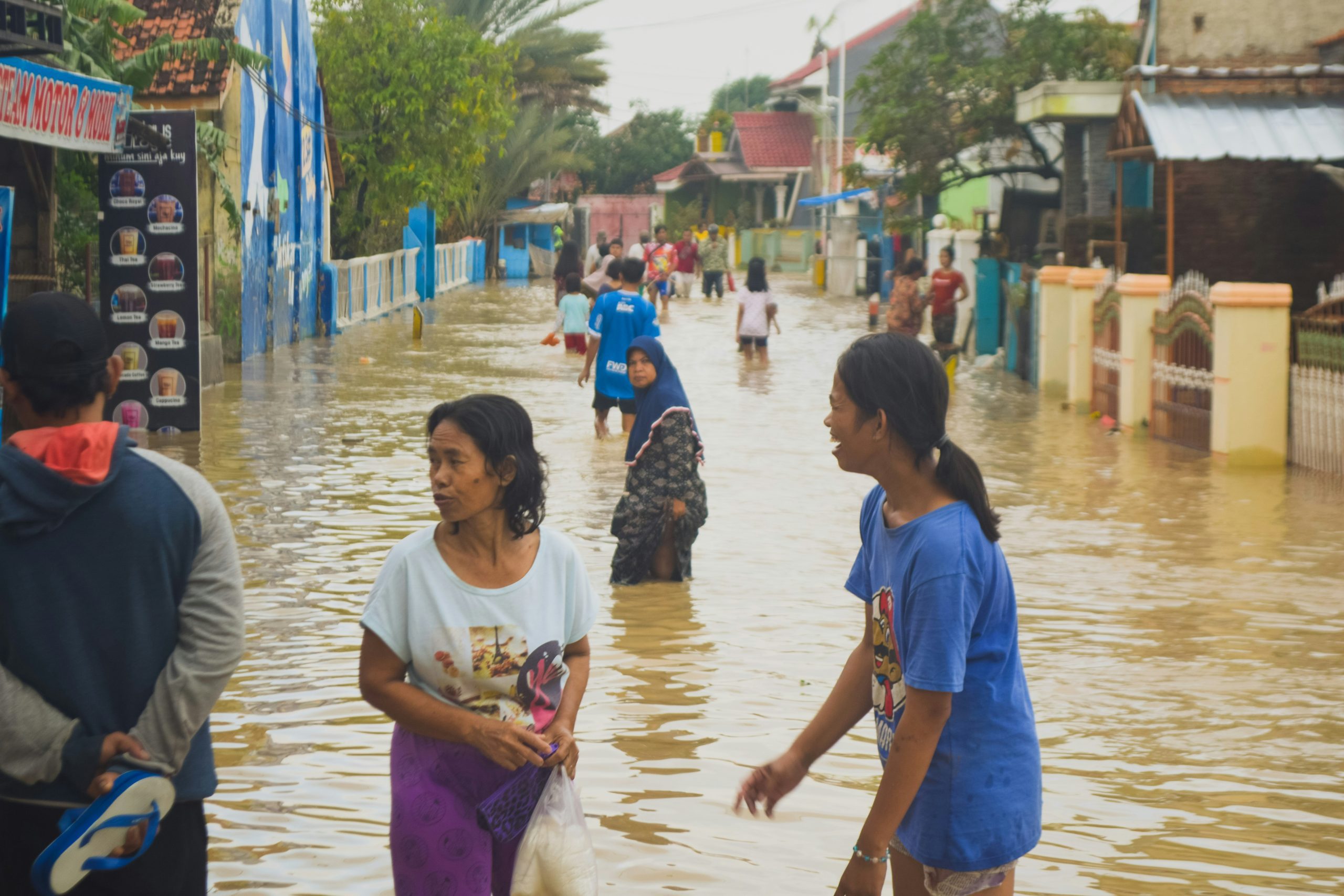
The rainy season in the Philippines brings much-needed water, but also the risk of flooding and waterborne illnesses like Leptospirosis.
As Filipinos commute to work and school, navigating flooded streets and waterways becomes a daily challenge. The rising water levels increase exposure to Leptospira bacteria, found in the urine of infected animals, making understanding this disease crucial for protecting yourself and your family.
This article provides a comprehensive guide to Leptospirosis, covering its causes, symptoms, prevention, and what to do in case of suspected infection, with a special focus on staying safe during the Philippines’ wet season.
Leptospirosis is a bacterial disease affecting both humans and animals, caused by bacteria of the genus Leptospira. These bacteria are shed in the urine of infected animals, primarily rodents, and thrive in moist environments.
Understanding Leptospirosis is crucial for prevention and effective treatment. Learn more about zoonotic diseases from the CDC
What is Leptospirosis?
Leptospirosis, a zoonotic disease, is transmitted from animals to humans through contact with contaminated water or soil containing the urine of infected animals.
Rodents, such as rats and mice, are significant carriers. The bacteria thrive in standing water, making areas like swamps, rivers, and lakes high-risk zones.
How Does Leptospirosis Infect Humans and Animals?
Infection happens when contaminated water or soil enters the body through broken skin, mucous membranes (eyes, nose, mouth), or ingestion.
Animals often contract the disease by drinking contaminated water.
What Does Leptospirosis Do to the Body?
Leptospira bacteria spread through the bloodstream, potentially affecting organs like the liver, kidneys, and lungs.
The infection’s severity varies; mild cases might resemble the flu, while severe cases can cause organ failure and even death. Read more about the effects of Leptospirosis on the kidneys
Symptoms of Leptospirosis
Symptoms appear 2 to 30 days post-exposure and include:
- High fever: A significant temperature increase
- Severe headache: Persistent and intense head pain
- Muscle aches: Especially in the calves (a hallmark symptom)
- Chills: Repeated episodes of shivering
- Gastrointestinal issues: Vomiting and diarrhea
- Jaundice (Yellowing): Indicates liver involvement
- Skin rash: A possible skin eruption
- Red eyes (Conjunctivitis): Inflammation of the conjunctiva

What to Do if You Suspect Leptospirosis
If you experience these symptoms, especially after water exposure, seek immediate medical attention.
Early antibiotic treatment is vital. Do not self-treat.
Prevention of Leptospirosis
Preventing Leptospirosis involves minimizing exposure to contaminated environments:
- Avoid contaminated water: Wear protective gear (boots, gloves) in high-risk areas.
- Maintain hygiene: Wash hands thoroughly after potential exposure.
- Rodent control: Control rodent populations around homes and workplaces.
- Vaccination: Vaccines exist for high-risk individuals and animals. Consult your doctor about Leptospirosis vaccination
Staying Safe During Rain and Storms
Leptospirosis risk increases significantly during and after periods of heavy rain or storms. Floodwaters can be heavily contaminated with animal urine containing Leptospira bacteria.
If you live in an area prone to flooding, consider these precautions:
- Avoid unnecessary outdoor activities: Stay home during heavy rain and flooding.
- Wear protective gear: If you must go outside, wear waterproof boots and gloves.
- Clean up thoroughly: After a storm, thoroughly clean and disinfect any areas that may have been exposed to floodwaters.
Protecting yourself from Leptospirosis is crucial. By understanding the risks and taking preventative measures, especially during inclement weather, you can significantly reduce your chances of infection.
Remember, when in doubt, stay home and stay safe.
DISCLAIMER
This article provides general information and does not constitute medical advice. Consult your healthcare provider for personalized recommendations. If symptoms persist, consult your doctor.
Lead photo by Misbahul Aulia/Unsplash