This article is based on the Quartz article, “There’s a biological reason you feel down after having the time of your life,” published August 6, 2017. All interpretations and expansions are original work.
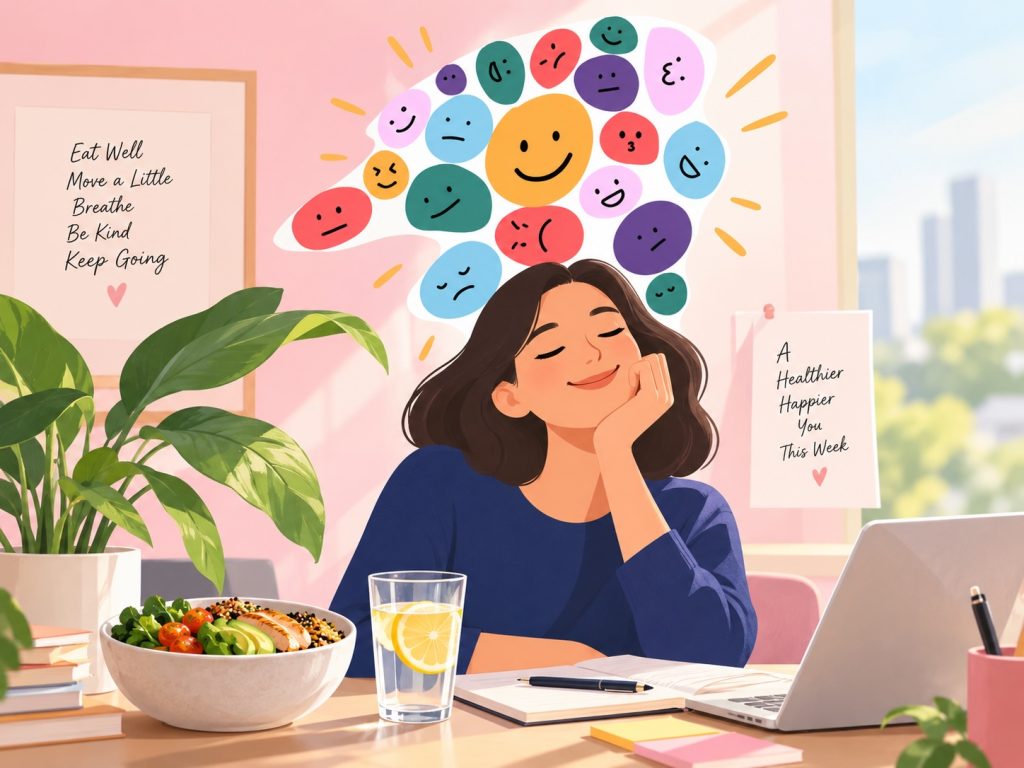
We’ve all experienced it: that post-euphoria slump, the subtle melancholy that follows a truly exhilarating experience.
This isn’t simply a case of the blues; it’s a fascinating interplay of neurological processes, a biological counterbalance to intense joy.
This article explores the science behind what some call the “happiness hangover,” drawing upon research into pleasure, opponent-process theory, and the delicate balance of our emotional homeostasis.
The Science of Pleasure and Happiness
Our brains possess specialized areas called “hedonic hotspots,” responsible for processing pleasure.
When these hotspots detect pleasurable stimuli — be it a delicious meal, intimate connection, or a breathtaking natural landscape — they release neurotransmitters, creating a sensation of “liking.” Simultaneously, dopamine, another neurotransmitter, fuels our desire (“wanting”) for the pleasurable experience to continue or repeat.
This intricate system drives our pursuit of enjoyment and shapes our memories of intensely positive events.
While pleasure is a fundamental biological response, happiness is a more complex, uniquely human experience. It involves higher-order thinking, emotional reflection, and a conscious awareness of the positive experience.
This distinction is crucial in understanding the post-joy dip.
Opponent-Process Theory: The Body’s Balancing Act
Psychologist Richard Solomon’s opponent-process theory offers a compelling explanation for the post-euphoria slump.
This theory posits that intense emotions trigger a counteracting response, aiming to restore emotional equilibrium (homeostasis). After a peak of happiness, the brain may overcorrect, leading to a temporary dip in mood.
This isn’t a sign of illness, but rather a natural physiological response designed to maintain stability.
This balancing act is not limited to positive emotions. The same principle applies to intense negative experiences, where a subsequent feeling of relief or even euphoria can follow.
Think of the exhilarating sense of relief after overcoming a significant challenge.
Evolutionary Perspective: The Importance of Stability
From an evolutionary standpoint, the “happiness hangover” makes sense.
If we were perpetually elated, we might be less attuned to potential threats or dangers. The post-joy dip serves as a biological reset, prompting us to return to a state of vigilance and preparedness.
This stability, while less exciting, is crucial for survival.
The Dangers of Artificial Happiness
The opponent-process theory also sheds light on the dangers of addiction.
Substances like drugs trigger artificially amplified happiness highs, resulting in correspondingly intense lows.
This cycle of extreme highs and lows reinforces the addictive behavior, as individuals seek to escape the negative aftereffects.
Embracing the Post-Joy Dip
The “happiness hangover” is a natural consequence of experiencing intense joy. While it may be tempting to chase perpetually elevated moods, accepting this natural ebb and flow is crucial for a balanced and fulfilling life.
Recognizing this biological process can help us appreciate the intensity of our positive experiences and navigate the subsequent emotional dip with greater understanding and acceptance.
Post-euphoria slump is not a sign of failure or weakness, but a testament to the intricate and adaptive nature of our emotional systems.
By understanding the underlying biology, we can approach these temporary dips with greater self-compassion and appreciate the full spectrum of human emotion.
DISCLAIMER
This article provides general information and does not constitute medical advice. Consult your healthcare provider for personalized recommendations. If symptoms persist, consult your doctor.
Photo by Catalin Pop on Unsplash