By Cecile J. Baltasar
The brain is a malleable organ whose parts can and will be affected by chronic stress that is left unaddressed. When the brain almost constantly encounters stress, a war-like response begins. The amygdala (the part of the brain that processes survival instincts) and hypothalamus (the body’s command center) spring into action. The hypothalamus releases adrenaline, and the adrenal complex produces more cortisol. Adrenaline sets up the body for exertion, and cortisol regulates other bodily functions and increases glucose levels in the bloodstream to give energy.
All these create a fight-or-flight reaction, manifesting through an increased heart rate, rapid breathing, and heightened multi-sensory alertness.
This is a normal response to occasional stress. With chronic stress putting the body through all these processes almost constantly, however, there will be lasting effects on the brain.
How Stress Affects The Brain
Memory Becomes Foggy
The brain is made up of different parts. Each of these parts is assigned a task. When all the work is done without a hitch, the brain’s functions are optimized, resulting in robust mental health. But when the brain is hit with chronic stress, some parts may get overwhelmed, causing other areas of the brain to try to take over.
In an article published in Harvard Health Publishing, chief scientific officer at McLean Hospital and professor of psychiatry at Harvard Medical School Dr. Kerry Ressler explains exactly how chronic stress negatively impacts memory.
“The brain [shunts] its resources because it’s in survival mode, not memory mode,” Ressler says. As a dangerous or emotionally exhausting situation engages the brain, the energy meant for the other parts is diverted to the amygdala. This leaves the other parts, including the hippocampus (the center of emotion and memory) without enough energy to perform their own tasks efficiently.
This is why people who regularly experience immense stress may go through memory lapses from time to time.
There Is An Increased Risk Of Mental Illness
Researchers from the University of California, Berkeley say that chronic stress ultimately makes long-term changes in the brain, which may lead to, among others, depression and anxiety disorder.
How does this happen? People with stress-induced illnesses — post-traumatic stress disorder (PTSD), for example — have imbalanced amounts of gray matter and white matter in their brain. Gray matter is made up of neurons that store and process information; white matter is responsible for creating a network of fibers, which connects neurons. As an imbalance between these two disrupts the smooth flow of communication within the brain, this structural abnormality can increase the risk of schizophrenia, depression, bipolar disorder, and other anxiety and mood disorders.
Chronic Stress Can Kill Brain Cells
Stress hormones, such as cortisol, can be neurotoxic. When chronic stress causes an increase in production of these hormones, prolonging the brain’s exposure to neurotoxicity, it can potentially damage or even kill brain cells. Those in the hippocampus are particularly at risk as this is one of the regions of the brain where new brain cells are formed, i.e., neurogenesis.
Long-term exposure to stress also creates a surge in the production of glutamate. This excitatory neurotransmitter is a main player in mood regulation, cognitive function, and memory processing and storage. Like cortisol, excessive glutamate can damage or kill brain cells. Individuals with Alzheimer’s, Parkinson’s, and Huntington’s disease have been found to have excessive amounts of glutamate.
The Brain Is Less Able To Regulate Emotions
With brain chemistry being significantly altered by chronic stress, the brain — particularly the hippocampus — becomes less efficient in regulating emotions and, consequently, managing emotional responses.
Once this happens, individuals who are unable to reign in their emotions may eventually revert to self-criticism, overthinking, worrying, and experiencing feelings of anxiety and loneliness.
How To React To Stress In A Healthy Way
For many, experiencing some form of stress daily is a given. While a certain type of stress is good — if it is temporary and pushes one to healthily excel — chronic stress is physically and mentally dangerous. This is when the feelings of stress hamper one’s quality of life and are almost constant.
There is hope, however. To nip chronic stress in the bud, learn healthy strategies for managing stress.
Practice Some Control
Often, one of the causes of stress is the feeling of not being able to control anything in an overwhelming situation. Focus on creating a routine. This way, when stress crops up, everything else around it can be under control.
Lead A Healthy Lifestyle
Just like being prepared for the unpredictability of stress by establishing routines you can control, when you focus on strengthening your body and mind, the negative effects of stress may be less.
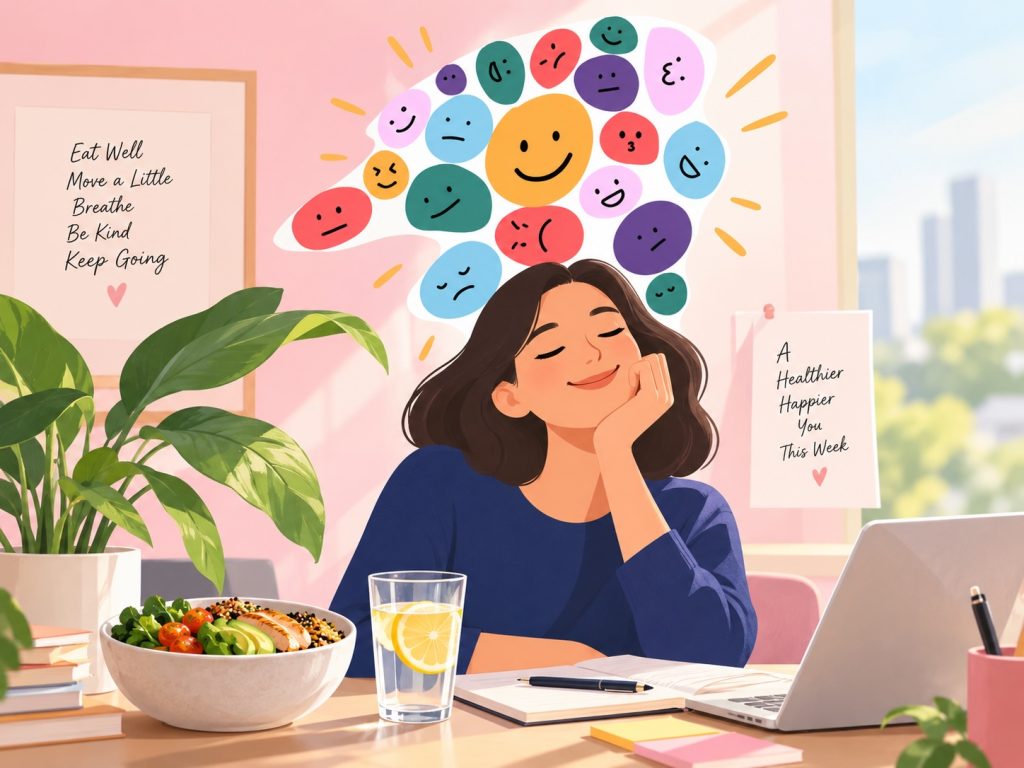
Eat a balanced diet, sleep well at least seven hours a night, exercise for at least 30 minutes three days a week, and have a positive outlook. Let your body and mind fall into this healthy routine so that in the midst of stress, they will be more resilient because you make them stronger every day.
Get Professional Help
Break the stigma of therapy and ask for a professional’s help if you are feeling overwhelmed by stress. There is nothing weak about asking for help; on the contrary, recognizing the need for help and acting on it is nothing but strong. Therapy isn’t just for people with mental illnesses and disorders. If you are still uncomfortable about the idea, think of it as talking to an interested, objective person who knows exactly what to say and when to say it. Find some mental health resources here.
Do all this to safeguard your brain from being permanently affected by chronic stress. Depending on the nature of your work and lifestyle, the road may be long. But when you establish a routine of self-care that focuses on your mental health, you will see that all the work was worth it.
Photo by Anthony Tran on Unsplash
DISCLAIMER
This article provides general information and does not constitute medical advice. Consult your healthcare provider for personalized recommendations. If symptoms persist, consult your doctor.