
World Immunization Week, held annually in the last week of April, is a global campaign to promote the use of vaccines to protect people of all ages against vaccine-preventable diseases (VPDs).
Vaccines are one of the safest and most effective public health interventions ever developed, saving millions of lives annually and contributing significantly to global health security.
This article explores the crucial role of vaccines in safeguarding both individuals and communities, supported by compelling statistics and addressing common concerns.
The Power of Vaccines: A Life-Saving Intervention
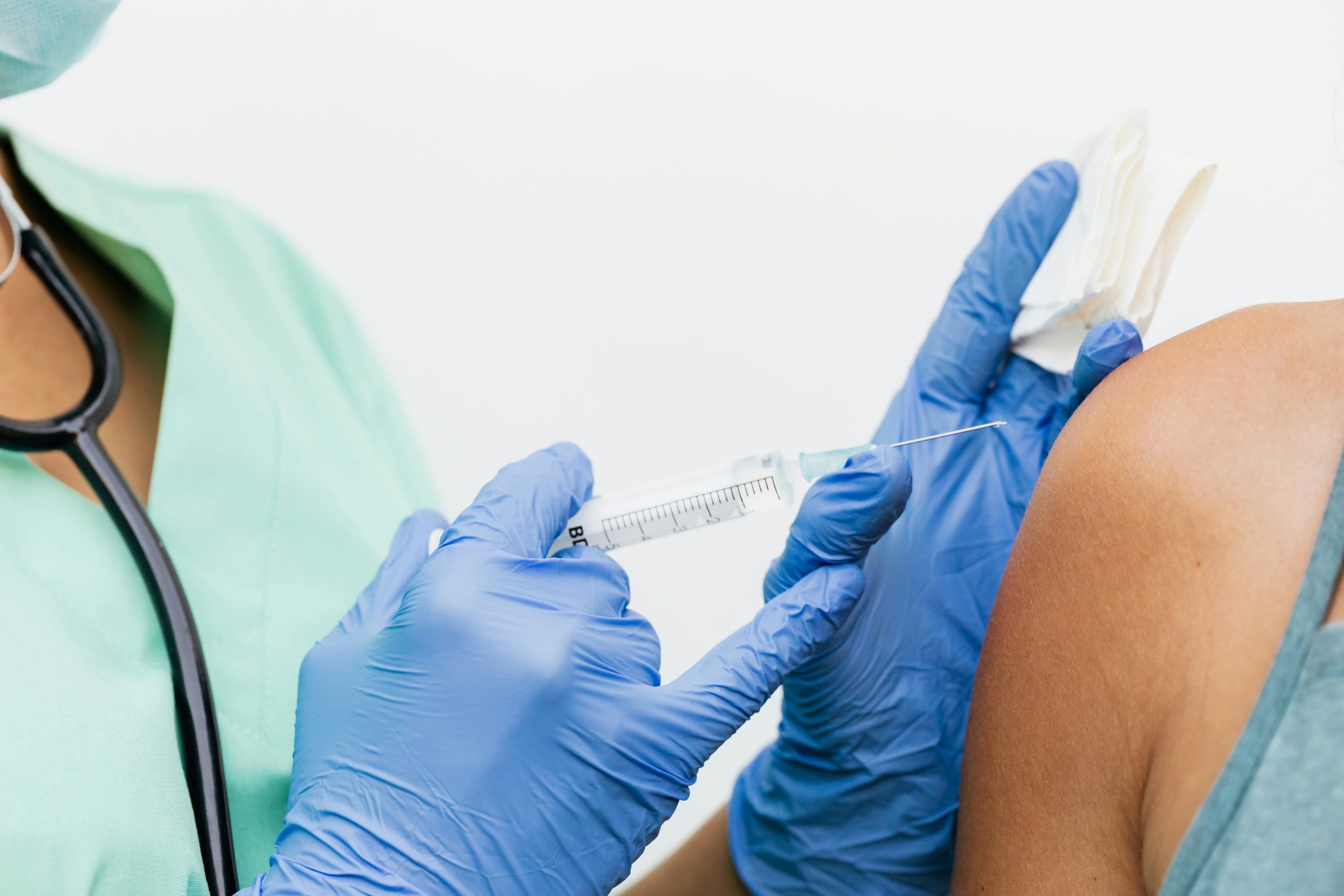
Vaccines work by training the body’s immune system to recognize and fight off specific viruses and bacteria. They do this by introducing a weakened or inactive form of the pathogen, prompting the immune system to produce antibodies without causing the disease.
This acquired immunity provides long-lasting protection against future infection. The impact is undeniable:
- The WHO estimates that vaccines prevent 2 to 3 million deaths every year
This staggering number highlights the life-saving potential of widespread vaccination, demonstrating its profound impact on global mortality rates.
- Measles vaccination alone is estimated to have prevented an estimated 23.2 million deaths between 2000 and 2018
This demonstrates the significant impact of a single vaccine on a global scale, highlighting its effectiveness in controlling a highly contagious disease.
- Polio, once a global scourge, has been largely eradicated thanks to extensive vaccination campaigns
This remarkable achievement underscores the power of global collaboration in disease eradication, serving as a testament to the effectiveness of coordinated vaccination efforts.
While pockets of polio still exist, the near-eradication is a monumental success story.
Understanding Herd Immunity: Protecting the Vulnerable
Herd immunity is a crucial concept in public health. It occurs when a large percentage of a population is immune to a disease, making it difficult for the disease to spread and protecting even those who cannot be vaccinated (e.g., infants, immunocompromised individuals, or those with specific medical contraindications).
This collective immunity acts as a shield, preventing outbreaks and safeguarding vulnerable populations.
High vaccination rates are crucial for maintaining herd immunity:
- The CDC states that to achieve herd immunity for measles, approximately 95% of the population needs to be vaccinated
This highlights the importance of high vaccination coverage rates to protect the most vulnerable members of society. Lower rates increase the risk of outbreaks, even among vaccinated individuals.
Vaccine-Preventable Diseases: A Global Threat, Significantly Reduced
Vaccines have drastically reduced the incidence of numerous diseases, once widespread and deadly. Measles, polio, diphtheria, tetanus, pertussis (whooping cough), rubella, Hib (Haemophilus influenzae type b), and HPV (Human Papillomavirus) are just a few examples of VPDs that have been significantly reduced or even eradicated in many parts of the world.
However, complacency and misinformation can lead to outbreaks, highlighting the ongoing need for sustained vaccination efforts.
The economic benefits of vaccination are also substantial. Preventing outbreaks saves healthcare systems billions of dollars annually by reducing hospitalizations, treatments, and long-term care costs.
The economic productivity of a healthy population also contributes significantly to national economies.
Addressing Vaccine Hesitancy: Combating Misinformation
Vaccine hesitancy, fueled by misinformation and distrust, poses a significant challenge to global immunization efforts. It is crucial to address these concerns through education and transparent communication, emphasizing the safety and efficacy of vaccines while acknowledging and addressing any legitimate concerns.
Reliable sources of information, such as the World Health Organization (WHO) and the Centers for Disease Control and Prevention (CDC), should be consulted.
Common misconceptions about vaccines often stem from misunderstandings of the science, fears of side effects, or mistrust of authority. It’s essential to engage in respectful dialogue, provide evidence-based information, and address specific concerns with accurate data.
The benefits of vaccination far outweigh the extremely rare risks of adverse effects.
The Science Behind Vaccines: How They Work
Vaccines work by introducing a weakened or inactive form of a virus or bacteria (or parts of it) into the body. This triggers an immune response, prompting the body to produce antibodies that recognize and neutralize the pathogen.
These antibodies provide long-term protection, often lasting for years or even a lifetime. Different types of vaccines use various methods to achieve this, including live-attenuated vaccines, inactivated vaccines, subunit vaccines, and mRNA vaccines.
Global Initiatives and Collaboration: A Collective Effort
Global collaboration is crucial for successful vaccination programs. Organizations like Gavi, the Vaccine Alliance, play a vital role in providing vaccines to low- and middle-income countries, ensuring equitable access to life-saving immunizations.
These partnerships are essential for achieving global health goals and protecting populations worldwide.
A Call to Action for a Healthier World
World Immunization Week serves as a powerful reminder of the life-saving impact of vaccines. By protecting individuals from preventable diseases and fostering herd immunity, vaccines safeguard communities and contribute to a healthier, more prosperous future.
Continued investment in immunization programs, coupled with effective communication and education, is essential to ensure that everyone has access to the protection vaccines offer.
Talk to your doctor about recommended vaccines, share accurate information about vaccines with your friends and family, and support initiatives that promote vaccination worldwide.
Visit the websites of the WHO and CDC for reliable information and resources.
Together, we can create a healthier future for all. Let’s make vaccination a priority – for ourselves, our families, and our global community.
DISCLAIMER
This article provides general information and does not constitute medical advice. Consult your healthcare provider for personalized recommendations. If symptoms persist, consult your doctor.
Photo by Karolina Grabowska on Pexels