
Every February, Baguio City’s Panagbenga Festival fills the streets with color, music, and community joy as school groups, families, and visitors gather to watch floral floats and street performances marking the height of flower season.
Panagbenga, a Kankanaey word meaning “season of blooming,” was created in 1996 as a symbol of recovery and hope following the devastating 1990 Luzon earthquake. The festival blends Cordilleran culture and floral artistry to celebrate renewal and resilience.
Government agencies and local organizers note that the month-long celebration continues to boost tourism and local business activity, generating revenue through vendor permits, lodging, and increased visitor traffic.
Yet beneath the vibrant parades and laughter lies a quieter, evolving challenge: climate change. Subtle ecological shifts are warming landscapes, altering plant behavior, and influencing both human and natural rhythms in ways that are only now becoming more clearly understood.
DISCOVER: PANAGBENGA SCHEDULE OF EVENTS
Climate change in the Philippines: a reality, not a forecast
Climate change in the Philippines is no longer a distant projection but a documented trend with observable impacts on weather patterns, ecosystems, and human systems.
According to national climate assessments, the archipelago—located in the Western Pacific’s tropical cyclone zone—faces increasing frequency and intensity of natural hazards, rising sea levels, warmer temperatures, and altered rainfall patterns.
From a public health perspective, climate variability is associated with higher risks of water- and vector-borne diseases, disruptions to food and water security, and added strain on health systems. Children, older adults, and other vulnerable groups face disproportionate impacts.
The Philippines ranked first on the World Risk Index in 2024 for climate vulnerability and disaster exposure, underscoring the country’s susceptibility to multiple climate-related hazards.
As a result, events once considered exceptional—such as record heat waves and shifting rainfall—are becoming part of routine planning and risk assessment. During the 2024 Southeast Asia heat wave, heat indices in parts of the Philippines reached up to 51 °C, with authorities reporting dozens of heat-related illnesses.
These conditions affect not only human comfort but also plant life and ecosystems, including those that support community celebrations such as Panagbenga.
Climate signals in plant and flowering patterns
Globally, scientific research shows that rising temperatures influence how and when plants bloom.
A 2025 study published in Scientific Reports found that climate change significantly affects flowering phenology—the timing and duration of plant reproductive stages—with warming linked to changes in bloom schedules and seed formation.
Other studies document that many plant species flower earlier as temperatures rise, often shifting by several days for each degree of warming.
Additional research published in 2025 observed that Rhododendron arboreum, a species central to Himalayan ecosystems, showed measurable changes in blooming onset related to temperature, elevation, and sunlight patterns associated with warming trends.
Although no peer-reviewed studies focus specifically on Baguio’s floriculture and climate change, these global findings suggest that flowers commonly used in Panagbenga—such as roses, chrysanthemums, and orchids—could respond to warming in subtle but cumulative ways over time.
In the Cordillera highland cut-flower sector, growers already report climate-related challenges. A Climate Tracker Asia report notes that hotter conditions and more frequent soil drying require increased watering, while elevated temperatures can stress flowers’ reproductive structures, reducing bloom intensity or delaying flowering.
These conditions raise labor and resource demands and may affect the supply and quality of blooms used in festival floats and city markets.
READ: Amihan to Dry Heat: How Rising Temperatures Can Affect Mood and Sleep
Panagbenga’s cultural and economic dimensions
Panagbenga’s importance extends beyond flowers. Through its organizing body, the Baguio Flower Festival Foundation Inc., the festival aims to celebrate local traditions, stimulate economic activity, and promote environmental stewardship.
Foundation officials note that revenue from permits, tourism, and vendor participation directly supports local businesses and artisans, including microenterprises selling food, crafts, and services.
Festival chairperson Anthony De Leon said in 2024 that floral floats can cost around ₱500,000 each to produce, factoring in flowers and labor. These investments stimulate demand for blooms and generate income for growers, designers, and craftsmen.
City tourism data indicate that tourism contributes up to 25 percent of Baguio’s local GDP, with floral attractions and nature-based sites playing a central role in visitor experiences.
Although attendance figures vary annually, past Panagbenga festivals have drawn more than one million visitors, highlighting how deeply the event is woven into Baguio’s social and economic life.
Climate, health, and human experience
Warming temperatures and changing rainfall patterns also carry health implications. Climate and health research links these shifts to higher risks of vector-borne diseases such as dengue and malaria, which are sensitive to temperature and humidity changes.
Extreme heat can also increase heat-related illnesses and place added pressure on health systems, particularly affecting children and older adults.
At the same time, Baguio’s higher elevation and relatively milder climate offer some protection compared with lowland urban centers, helping preserve its reputation as a cooler, more comfortable destination for outdoor celebrations.
Beyond physical health, festivals and exposure to nature also support emotional well-being. Studies show that contact with flowers, green spaces, and shared community experiences can enhance mood, strengthen social bonds, and reduce stress.
Research on nature-based therapy, including studies published in Scientific Reports, links exposure to floral environments with positive emotional states and lower stress levels. This connection between nature, culture, and emotion quietly reinforces community resilience.
Small steps, enduring joy
As climate change reshapes environmental conditions locally and globally, Panagbenga serves both as a cultural touchstone and as a subtle indicator of ecological change.
There is no indication that warming trends will end the festival. Still, the lived experiences of growers, scientists, and visitors suggest that awareness and adaptation are becoming part of long-term stewardship.
Climate information from agencies such as PAGASA and research institutions highlights challenges farmers face in accessing timely, actionable weather data, reinforcing the need for clearer, more inclusive information sharing.
At the same time, the joy of flowers, shared laughter, and human connection offers a meaningful counterbalance to climate concerns.
Panagbenga reminds residents and visitors that even as seasons shift and temperatures rise, moments of beauty and community can nurture optimism and well-being. In this way, every petal and every smile becomes part of a larger story—one of renewal, resilience, and the enduring promise that life continues to bloom.
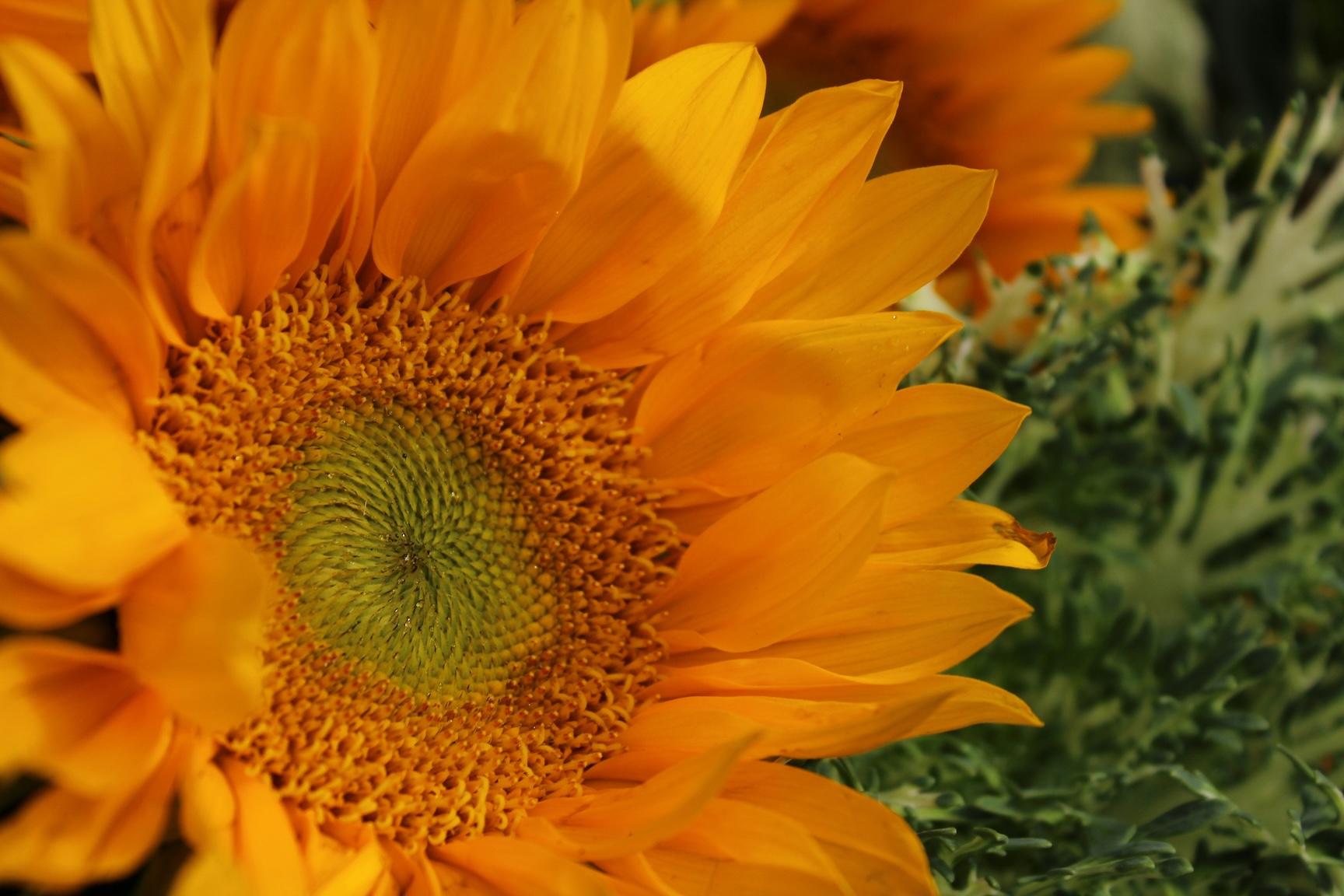
Photo by Rebecca Niver on Unsplash
References:
Panagbenga Festival Official Website – https://www.panagbengaflowerfestival.com
Philippine News Agency, “Panagbenga festival boosts Baguio economy” – https://www.pna.gov.ph/articles/1243523
Climate Tracker Asia, “Climate change a thorn in Baguio’s flower industry” – https://climatetracker.asia/climate-change-a-thorn-in-baguios-flower-industry
PAGASA, “Climate Change in the Philippines” – https://www.pagasa.dost.gov.ph/information/climate-change-in-the-philippines
Scientific Reports, “Impact of climate change on flowering phenology” (2025) – https://www.nature.com/articles/s41598-025-13692-y
Philippine Daily Inquirer, “Baguio’s floral icons battle it out at Panagbenga” – https://newsinfo.inquirer.net/1909404/baguios-floral-icons-battle-it-out-at-panagbenga
GMA News, “Panagbenga Festival opens month-long celebrations in Baguio” – https://www.gmanetwork.com/regionaltv/features/112690/panagbenga-festival-opens-monthlong-celebrations-in-baguio/story/