

In many Filipino households today, meals are abundant—but nourishment is not.
The table is full: rice, fried chicken, sweetened drinks, instant noodles. Yet doctors are seeing more children with anemia, more adults with diabetes, and more families confused about what “healthy eating” actually means. It is a paradox nutrition experts call the double burden of malnutrition—where undernutrition and obesity exist side by side, sometimes within the same household.
According to the Department of Science and Technology–Food and Nutrition Research Institute (DOST-FNRI), more than one in three Filipino adults is overweight or obese, while micronutrient deficiencies—particularly iron, vitamin A, and iodine—remain widespread. This is not due to lack of food alone, but to poor-quality diets shaped by misinformation, marketing, and economic pressure.
The Problem With Nutrition Advice Today
Social media has become the loudest nutrition adviser in the room. Detox teas, “anti-rice” diets, miracle supplements, and extreme fasting plans flood Filipino feeds daily. Many promise quick weight loss or “clean eating,” yet lack scientific basis.
“Nutrition misinformation spreads faster than evidence-based advice because it sounds simple and dramatic,” says a registered nutritionist-dietitian from a tertiary hospital in Metro Manila. “But real nutrition is about consistency, balance, and context—especially cultural context.”
For Filipinos, food is family, comfort, and celebration. Any nutrition advice that ignores this reality is unlikely to work.
Ultra-Processed Foods and the Filipino Diet
One major shift over the last two decades is the rise of ultra-processed foods—items high in refined carbohydrates, unhealthy fats, salt, and sugar, but low in fiber and essential nutrients. These foods are affordable, convenient, and aggressively marketed.
Research published in The Lancet and BMJ has linked high consumption of ultra-processed foods to increased risk of obesity, heart disease, type 2 diabetes, and even depression. In the Philippines, where long work hours and urban congestion limit home cooking, these foods have become staples.(NIH)
Children are especially vulnerable. Sweetened beverages, processed snacks, and instant meals are often cheaper than fruits, vegetables, and fresh protein.
READ: A New Season of Joyful Wellness Begins
Eating Better Without Spending More
Contrary to popular belief, healthy eating does not have to be expensive.
Nutrition experts emphasize going back to Filipino basics:
- Rice remains an important energy source when eaten in proper portions.
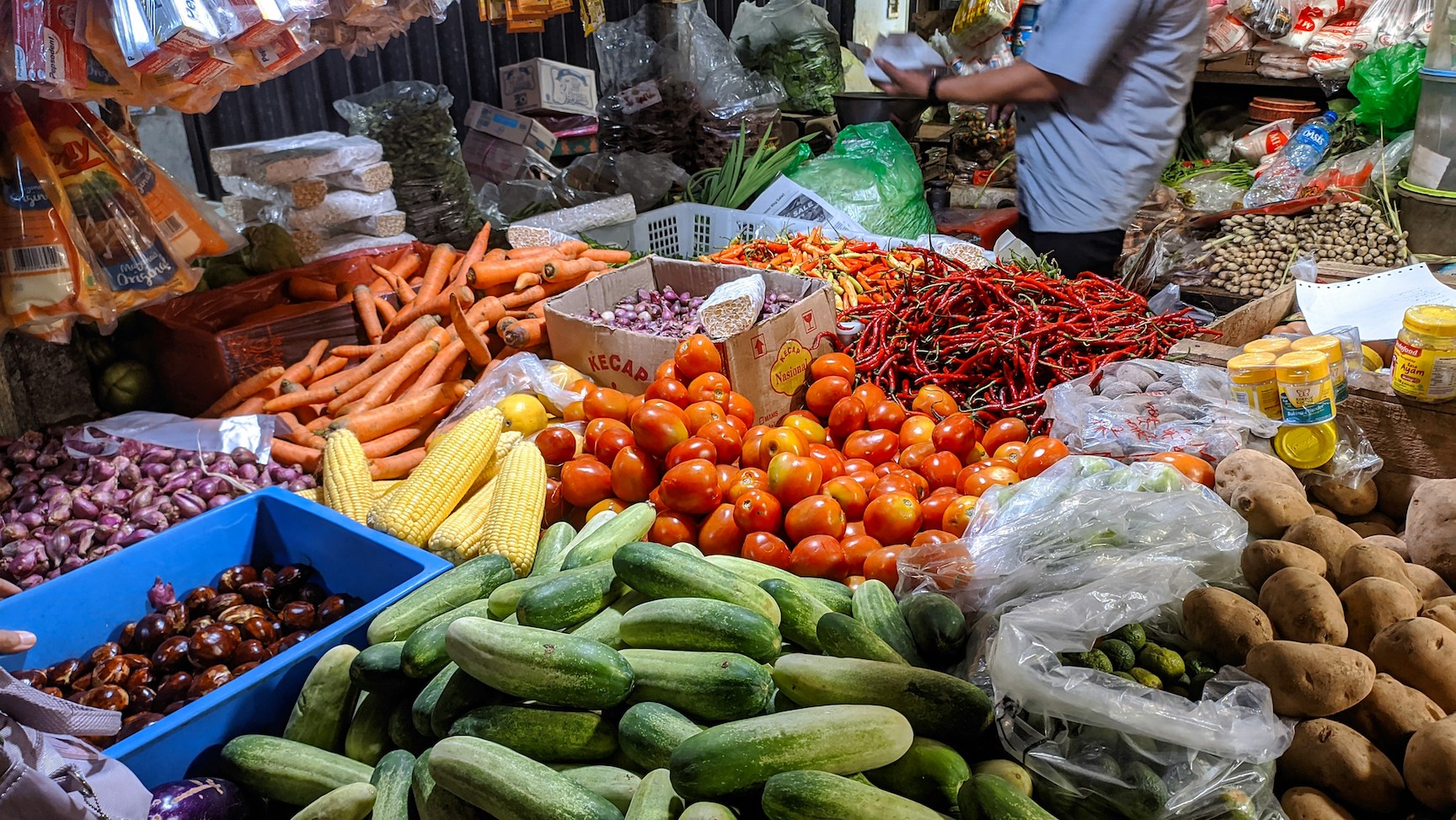
- Local vegetables like malunggay, kangkong, talbos ng kamote, and kalabasa are nutrient-dense and affordable.
- Eggs, tuyo, dilis, and monggo provide high-quality protein at low cost.
- Home-cooked meals reduce reliance on hidden sugars and fats.
The key is plate balance: half vegetables, a quarter protein, a quarter carbohydrates—an approach endorsed by the World Health Organization and adapted locally by the FNRI’s Pinggang Pinoy model.
Nutrition Is a Family Decision
Filipino meals are rarely individual choices. Mothers, grandparents, and caregivers shape food habits early. Teaching nutrition as a family skill, not a personal obsession, helps children develop healthier relationships with food.
Small changes—water instead of sugary drinks, fruit instead of packaged desserts, cooking once and reheating—add up over time.
“Nutrition should empower, not shame,” says a public health nutritionist. “When families feel informed and supported, they make better choices naturally.”
The Joyful Wellness Perspective
At Joyful Wellness, nutrition is not about perfection or restriction. It is about clarity, cultural relevance, and confidence—helping Filipino families cut through misinformation and return to food as nourishment and joy.
Healthy eating is not a trend. It is a daily practice rooted in knowledge, tradition, and care.
Photo by Rezkytama Putra on Unsplash