
Headlines, Heartbeats, and the Health of a Nation
On Sarah Duterte’s 2028 presidential bid — and the quiet wellness questions every Filipino should ask themselves
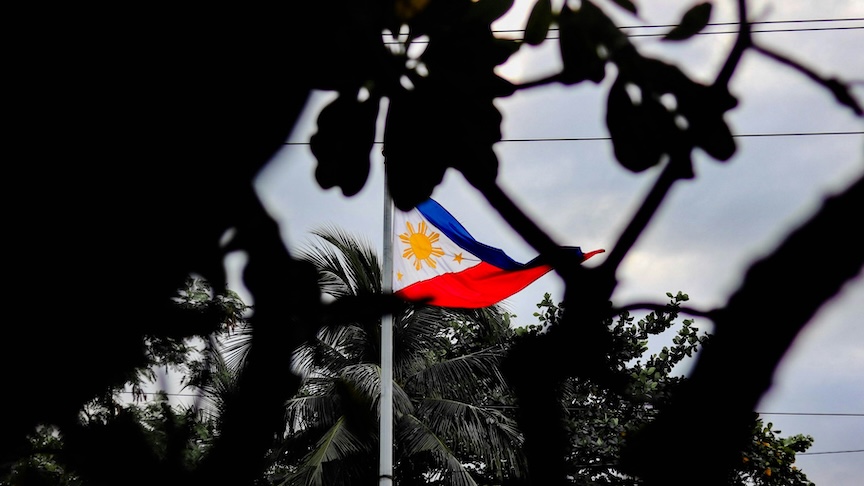
In the Philippines, news travels fast: a speech, a press conference, a livestream, and suddenly millions are parsing every syllable, every pause, every promise. On February 18, 2026, Vice President Sara Duterte formally announced her intention to run for president in the 2028 national elections — a declaration that ripples across the archipelago’s own political psyche.
The reasons for the bid may be rooted in ambition, legacy, and political dynamics that will be debated from Manila to Mindanao. But underneath the political analysis — the polls, the alliances, the rivalries — lies another less discussed but equally real question:
How do national elections affect collective and individual wellness?
The Psychological Load of Elections
Politics isn’t just policy. It is emotion.
Months before ballots are cast, people begin to experience something familiar to psychologists: political stress. This includes anxiety, sleep disturbance, social friction, heightened vigilance, and a constant evaluation of information — sometimes contradictory — from news feeds and social media. Research indicates that sustained exposure to political conflict and uncertainty can trigger emotional distress, particularly in societies where politics is intertwined with identity and daily life. Being informed matters — but so does emotional regulation. (See references)
The announcement of a presidential bid is not just a news item — it is a prompt for millions of minds to awaken their anticipatory circuitry: What will this mean for my family? For our economy? For our children’s future?
Given the Philippines’ history with strong personalities and political tides, these questions are not abstract. They touch something fundamental: the safety of our hopes.
READ: Twin Initiatives Push Mental Health Support Nationwide
Wellness Begins With Presence, Not Perpetual Reaction
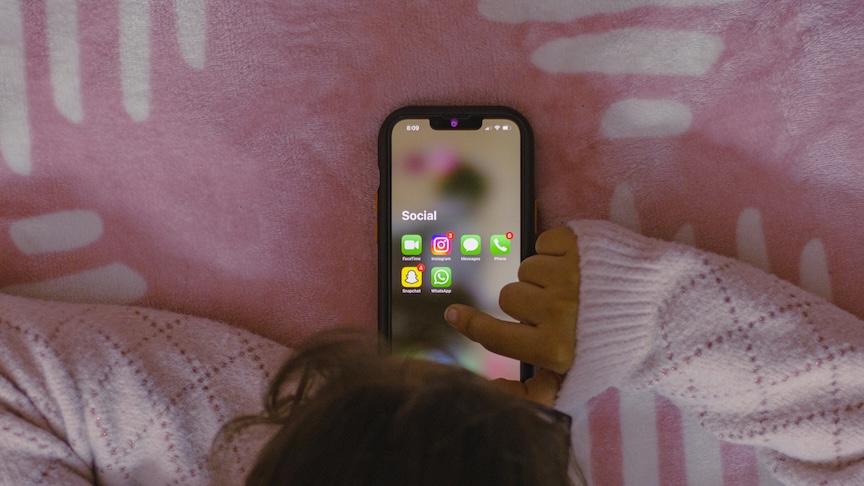
When news breaks, it breaks fast — and many of us respond reflexively: scroll, repost, react, debate, defend, critique. Before we know it, the day has passed under the relentless glare of screens and emotion.
But research tells us something important: constant exposure to stressors boosts cortisol and weakens emotional resilience. Without intentional grounding, we begin to operate in survival mode rather than reflective mode. Outrage becomes habit. Division feels normal. Curiosity becomes reactivity.
Wellness, in this sense, is not about disengaging from civic life. It is about engaging with discernment not impulse.
The Wellness Questions Election Season Should Invite
If political announcements rouse your anxiety — that’s not a personal failing. It’s a human response to uncertainty.
Instead of letting the news set the emotional tone of your day, consider these reflective questions rooted in psychological and emotional wellness:
- What beliefs am I holding that bring me peace — and which ones bring unrest?
- Am I allowing space for curiosity, or only certainty?
- Can I listen before reacting?
- How can I protect my mental landscape while participating in this season of national elections?
- What conversations can I have offline — with family and community — that enrich connection rather than promote division?
Answering these isn’t about political alignment. It’s about emotional sovereignty — the capacity to think, feel, and engage with intention rather than impulse.
EXPLORE: 10 Facts About Mental Health: Why It’s Just as Important as Physical Health
A Nation’s Fitness is More Than Policy
Wellness is more than diet, fitness, or mental health routines. It includes the health of our civic life — the ability to deliberate, to disagree with dignity, to elect not only with logic but with emotional intelligence.
It matters how we speak about politics in our homes and communities, because words shape internal states just as much as external actions shape societies.
As the election clock moves forward, consider this not as chaos to endure, but as an opportunity:
To practice steadiness over emotional reactions
and choose reflection over frenzy
To build community over polarization
And yes, to grow not just as voters — but as citizens with emotional calm and thoughtful judgment.
Because a nation in emotional equilibrium does not imply apathy.
It implies wisdom.
And wisdom is the foundation of wellness.
Photo by Ummano Dias on Unsplash
References & Sources
- Reuters. Philippine Vice President Sara Duterte to run for president in 2028. (Breaking political announcement)
- South China Morning Post. Philippines’ Sara Duterte throws hat in the ring for 2028 presidential run. (Context of announcement)
- Pew Research Center. Political polarization and stress: Trends and impacts — on how political climates affect mental health.
- American Psychological Association (APA). How political stress influences well-being.
- Mayo Clinic. Stress management and emotional health.