As February begins, many young Filipinos are grappling with the lingering financial effects of year-end spending and the added social pressure of Valentine’s Day expenses, even as basic food costs continue to strain household budgets.
Official Philippine statistics show that annual inflation accelerated to 2.0 percent in January 2026, marking the fastest pace in nearly a year. The increase was driven by higher costs of utilities, housing rentals, and other essentials, although food inflation specifically eased.
According to the Philippine Statistics Authority (PSA), food inflation declined to around 0.7 percent in January 2026, down from 1.2 percent in December 2025. However, food and non-alcoholic beverages remain major components of the consumer price index, meaning food continues to weigh heavily on household finances.
Against this backdrop of constrained budgets, many young adults are adjusting not only holiday and special-occasion spending but also daily food choices, with direct implications for nutrition and wellbeing.
Economic pressures: Food price trends and household budgets
Although headline food inflation recently eased, the cost of key staples continues to influence how households allocate limited resources.
Trading Economics data indicate that food prices rose about 1.1 percent year-on-year in January 2026, reflecting increases in some categories even as others stabilized. Meat, seafood, and vegetables remain persistent drivers of household food expenditures.
Rice, the country’s staple, has shown volatility. For much of 2025, rice prices declined year-on-year, partly due to government policies such as tariff adjustments and price controls on imported rice. PSA data show that rice inflation turned deeply negative in late 2025, helping moderate overall food inflation.
However, by early 2026, the pace of decline slowed. Meanwhile, other food groups, including fish, vegetables, and cooking oils, showed positive price trends.
Income constraints continue to complicate affordability. Many Filipino households, especially younger workers earning entry-level salaries, find that even modest increases in essential food prices strain monthly budgets. Average nominal wages remain significantly below estimates of a living wage, placing additional pressure on discretionary food spending.
READ: Why Filipinos Are Both Overfed and Undernourished—and How to Eat Better Without Spending More
Hunger and food insecurity in the Philippines
For some families, financial pressure extends beyond budgeting for celebrations into real food insecurity.
A Social Weather Stations (SWS) and Stratbase survey conducted March 15–20, 2025 found that 27.2 percent of Filipino families experienced involuntary hunger, defined as being hungry and having nothing to eat at least once in the previous three months. This marked the highest level since the COVID-19 pandemic and represented a six-percentage-point increase from February 2025.
Regional data showed the highest hunger incidence in the Visayas at 33.7 percent, followed by Metro Manila, Mindanao, and Balance Luzon.
Subsequent SWS surveys showed fluctuations but confirmed persistent hardship. A June 2025 survey reported 20 percent of families experiencing hunger, while a September 2025 survey recorded 22 percent. These figures indicate that food insecurity remains a chronic concern for millions of Filipinos.
Globally, the challenge mirrors local realities. Hunger assessments cited by international agencies categorize the Philippines’ hunger level as “moderate,” reflecting enduring gaps in access to nutritious food.
The cost of a healthy diet
Beyond hunger rates, research highlights broader issues of diet affordability.
A 2025 Food and Agriculture Organization (FAO) report estimated that the daily cost of a healthy diet in the Philippines reached US$4.39 per person in 2024, roughly ₱250 per day depending on exchange rates. Although fewer Filipinos were unable to afford a healthy diet compared with the previous year, the report estimated that about 51 million people still lacked sufficient funds for a nutritionally adequate diet.
Globally, a joint World Bank and FAO analysis found that an average healthy diet cost US$4.46 per person per day worldwide, and about 2.6 billion people could not afford such a diet in 2024.
These figures show that barriers to nutritious eating extend far beyond the Philippines and remain tied to income, food pricing, and economic pressures.
The cost of eating well versus fast and cheap
Valentine’s Day often highlights how food choices intertwine with emotion and economics. Dining out, buying milk tea, or sharing street food all carry different price tags. For budget-conscious young adults, the mental calculation often begins before the bill arrives.
Day-to-day eating patterns matter even more. The Expanded National Nutrition Survey (ENNS) shows that rice accounts for a large share of energy intake among Filipino adults, while fruits and vegetables remain under-consumed. Diets heavy in rice and energy-dense foods may leave gaps in essential micronutrients.
Globally, affordability drives food decisions. FAO and World Bank analyses show that billions of people cannot afford the least expensive healthy diet. When faced with limited income, many young adults opt for cheaper, processed, or energy-dense foods that provide fullness at lower cost.
Whether it is a fried snack between classes or a shared fast-food combo on Valentine’s weekend, affordability often shapes decisions more strongly than ideal nutrition.
DISCOVER: How Can Food Boost Health and Wellbeing?
Real lives, real choices
Many young Filipinos describe making deliberate adjustments to balance cost and quality. Some choose home-cooked Valentine’s dinners and split grocery expenses. Others spread celebrations over several days instead of concentrating spending on one evening.
These behaviors align with broader consumer trends. A 2025 PwC Voice of the Consumer report found that most Filipino consumers consider nutritional value when purchasing food, but economic concerns strongly influence final choices. Many respondents reported switching to cheaper alternatives or planning meals more carefully to control spending.
Young diners are not simply cutting corners; many actively experiment with meal planning, share budget-friendly recipes, and redefine what makes a meal meaningful beyond its price.
Health implications of budget-driven eating
Diet choices shaped by cost have long-term implications.
Poor diet quality contributes to micronutrient deficiencies and increases the risk of noncommunicable diseases. Although detailed national data specific to young adults remain limited, public health reports consistently link inadequate nutrient intake with reduced immunity, lower energy levels, and higher chronic disease risk.
The economic impact is substantial. A 2025 report by Nutrition International estimated that malnutrition, including micronutrient deficiencies and undernutrition, costs the Philippine economy approximately ₱496 billion annually, due to lost productivity, reduced educational outcomes, and increased healthcare expenditures.
These figures demonstrate that compromised diet quality carries consequences beyond individual households.
Opportunities for resilience
Government agencies have implemented price stabilization measures, including rice tariff adjustments and import management strategies, to help temper food price volatility. PSA reports note efforts to maintain supply stability while moderating food price pressures.
However, macroeconomic interventions alone cannot fully address diet quality without income growth, stronger social protection, and accessible nutrition education.
At the household level, practical strategies such as meal planning, bulk purchasing, and prioritizing nutrient-dense ingredients can stretch limited budgets. Even modest dietary improvements can produce meaningful long-term health benefits.
Budget decisions and broader lessons
For many young Filipinos, navigating post-holiday expenses is both financial and emotional. Budget constraints often push households to prioritize affordability over long-term nutrition.
Yet verified local and international data confirm that food affordability and diet quality remain global challenges shaped by income levels and price variability.
Addressing these issues requires both household-level strategies and sustained policy attention. Budgeting for health is not only about cutting costs; it involves deliberate planning to protect physical wellbeing and financial stability.
Emerging from the “13th-month hangover” offers an opportunity to rethink how food and finances intersect, encouraging small but consistent decisions that support both resilience and wellness.
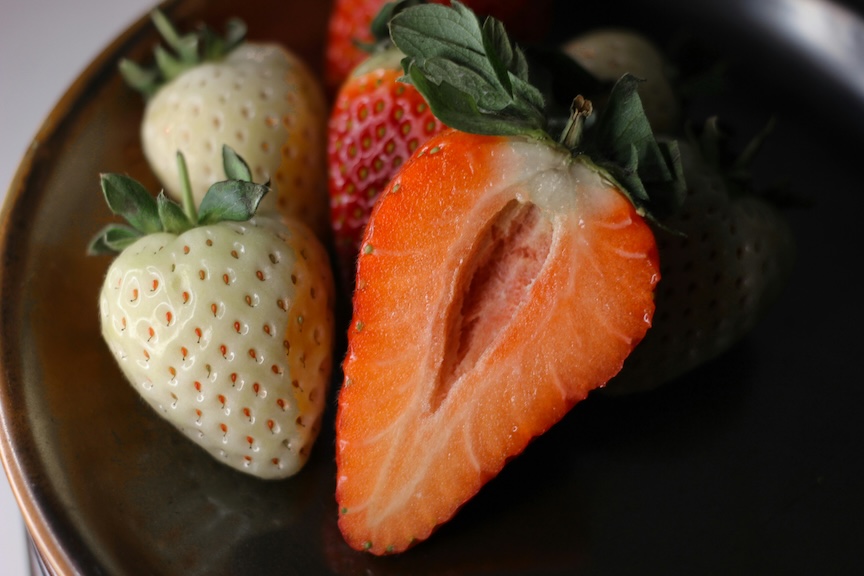
Photo by Nadin Thirteen on Unsplash
References:
Philippine Statistics Authority (PSA) – Inflation Reports, January 2026
https://www.psa.gov.ph/statistics/survey/price/inflation
Social Weather Stations (SWS) Hunger Survey, March–June 2025
https://www.gmanetwork.com/news/topstories/nation/950863/sws-hunger-among-ph-families-up-slightly-to-20-in-end-april-2025/story/
Food and Agriculture Organization (FAO) – Cost of a Healthy Diet, Philippines 2025
https://www.businessmirror.com.ph/2025/09/10/un-report-healthy-diet-increasingly-unaffordable-for-many-filipinos/
World Bank / FAO – Global Food Affordability 2025
https://www.worldbank.org/en/programs/icp/brief/foodpricesfornutrition
Reuters – Philippines Declares Food Security Emergency, 2025
https://www.reuters.com/world/asia-pacific/philippines-declares-food-security-emergency-tame-rice-prices-2025-02-03/
Trading Economics – Philippines Food Inflation, 2025–2026
https://tradingeconomics.com/philippines/food-inflation
Nutrition International – Economic Costs of Malnutrition in the Philippines, 2025
https://www.businessmirror.com.ph/2025/09/10/un-report-healthy-diet-increasingly-unaffordable-for-many-filipinos/