

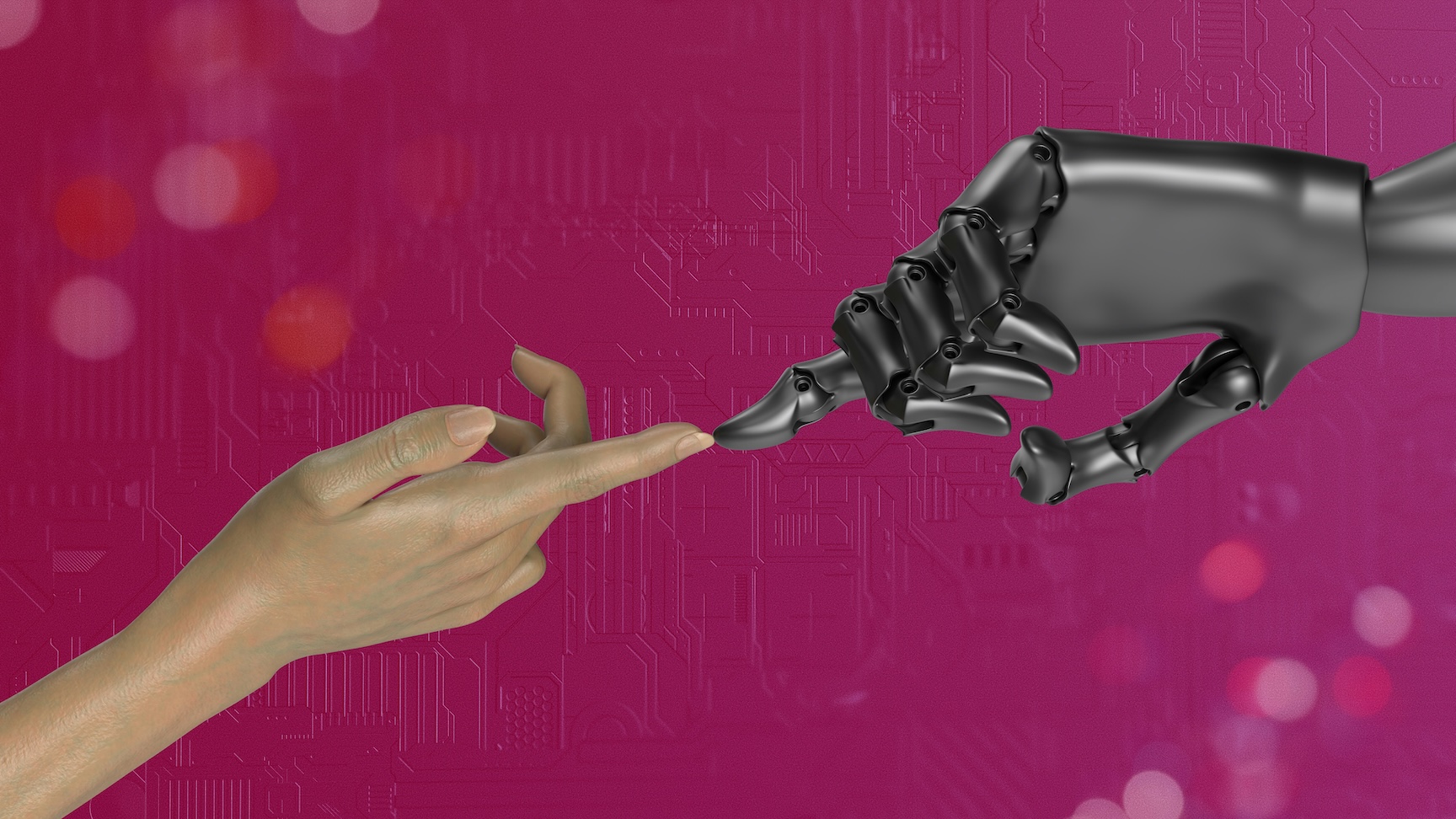
Once upon a Valentine’s season—not so long ago—flowers wilted, chocolates melted, and someone, somewhere, opened a chat window instead.
Not to order dinner.
Not to check the weather.
But to talk.
They typed what they couldn’t yet say out loud: I’m lonely.
And the screen answered back.
Welcome to the age of digital love, where artificial intelligence can flirt, listen, reassure, and respond with uncanny attentiveness. Where chatbots can feel endlessly patient. Where no one interrupts, forgets, or grows tired.
It raises a curious, very modern question:
Can AI become the ultimate partner—or at least a convincing stand-in?
Why Talking to AI Can Feel So Good
From a psychological standpoint, the appeal is easy to explain.
AI systems like ChatGPT are designed to:
- respond quickly and thoughtfully
- mirror language and emotion
- offer validation without judgment
- stay consistently available
Research on social surrogacy—the idea that people can experience comfort through symbolic or mediated relationships—shows that humans can feel real emotional relief from interactions that feel attentive, even if they’re not human.
In moments of heartbreak, grief, or isolation, that responsiveness can feel soothing. Someone is finally listening. No awkward pauses. There is no rejection. No emotional labor required.
In that sense, digital companionship can offer temporary emotional regulation, much like journaling, prayer, or talking things through with a very patient friend.
READ: The Rise of ‘AI Psychosis’: A Growing Mental Health and Societal Concern
But Can AI Actually Be a Lover?
Here’s where science draws a line.
AI does not experience emotion, attachment, desire, or love. It does not form bonds. Neither does it remember you in the way humans do. It generates responses based on patterns in language—not on feelings, intentions, or care.
While AI can simulate intimacy, it does not reciprocate it.
Psychologists emphasize that healthy romantic relationships involve:
- mutual vulnerability
- emotional risk
- unpredictability
- shared growth over time
AI is intentionally predictable, safe, and accommodating. Those traits make it comforting—but also limit it.
Love, as humans experience it, is not foolproof. That’s part of its meaning.
What Happens When Someone Turns to AI While Heartbroken?
Interestingly, research suggests that AI can be helpful in short-term emotional support, especially when people feel overwhelmed or alone. Talking things through—naming emotions, organizing thoughts, receiving calming prompts—can reduce distress.
However, experts caution against substitution.
If AI becomes a replacement rather than a bridge—if it displaces human connection rather than supporting it—there may be risks:
- emotional avoidance
- delayed healing
- reinforcement of isolation
Mental health professionals consistently stress that recovery from heartbreak requires real-world processing, even if that process begins privately.
AI can help someone steady themselves.
It cannot walk them back into relationship.
Is “Digital Valentine’s Day” All Bad?
Not at all.
There is something quietly sweet—even playful—about using technology to reflect, laugh, write love notes to oneself, or practice expressing emotions safely. AI can help people draft messages they’re afraid to send, understand their own patterns, or even rediscover joy through curiosity and conversation.
Used intentionally, digital tools can support self-awareness, not replace love.
Celebrating Valentine’s Day digitally doesn’t have to mean choosing screens over people. It can mean choosing reflection over pressure, connection over performance, kindness over comparison.
Where Wellness Comes In
At Joyful Wellness, we view technology the same way we view supplements, routines, or rituals: useful when used consciously, harmful when used as a substitute for living.
AI can:
- help people feel less alone in the moment
- encourage reflection and emotional naming
- support mental clarity during vulnerable times
But love—real love—still requires:
- other humans
- emotional risk
- presence and patience
Perhaps the healthiest question isn’t Can AI replace a lover?
But rather: How can technology support us while we remain open to real connection?
A Gentler Way to Look at It
If someone talks to an AI while healing, that doesn’t mean they’ve given up on love. It may simply mean they’re catching their breath.
Digital love, when understood clearly, can be a tool, not a destination.
And the heart—remarkably human as it is—still knows the difference.
Joyful Wellness reflection:
Comfort can come from many places.
Love, however, still grows best where two humans meet.
Photo by Igor Omilaev on Unsplash
References:
- Turkle, S. Alone Together: Why We Expect More from Technology and Less from Each Other.
- Bickmore, T., et al. (2018). Relational Agents in Mental Health. Journal of Medical Internet Research.
- Epley, N., et al. (2007). Social Surrogates and Emotional Comfort. Psychological Science.
- American Psychological Association. Technology and Mental Health.
- World Health Organization (WHO). Digital Interventions for Mental Health.