Life expectancy in the Philippines has risen gradually over the past decade, but the gains are not shared equally.
According to Macrotrends, life expectancy at birth in the Philippines is projected to reach about 71.92 years in 2025, up slightly from 71.79 years in 2024 and 69.83 years in 2023. While these figures suggest steady improvement, they mask deeper inequalities in how Filipinos experience aging.
Healthy life expectancy—the number of years a person can expect to live in good health, free from major disease or disability—offers a clearer view. Data from the World Health Organization show that healthy life expectancy in the Philippines has remained in the high-50s to low-60s, well below overall life expectancy. This gap means many Filipinos spend a significant portion of later life managing illness or functional limitations rather than enjoying robust health.
Global research consistently shows that social conditions—income, education, job security, and access to care—shape health outcomes far more strongly than genetics alone. These factors can widen health gaps within a single country by many years.
The result is a hidden longevity divide: two aging pathways within the same society. Filipinos with greater financial security, education, and access to quality healthcare tend to live longer and healthier lives. Those without these advantages often experience illness earlier and spend fewer years in good health.
At the same time, emerging perspectives on wellness suggest that joyful and purposeful aging does not have to wait for perfect conditions. Practical, everyday choices can help people feel a little better than yesterday, even within constraints.
Beyond the averages
Life expectancy at birth remains a standard indicator of population health, but averages can obscure inequities between groups.
In the Philippines, national figures show incremental gains, yet they do not capture how quality of life diverges sharply across socioeconomic lines, especially in later years. The World Health Organization defines healthy life expectancy (HALE) as the number of years lived in full health, accounting for disease and disability. This measure provides a more nuanced picture of wellbeing across the lifespan.
Globally, healthy life expectancy has increased, but more slowly than total life expectancy. People are living longer, but not necessarily healthier lives. In lower-middle-income countries, including the Philippines, the gap between years lived and years lived well remains substantial.
The WHO’s 2025 World Report on Social Determinants of Health Equity emphasizes that health outcomes are shaped by the conditions in which people are born, grow, live, work, and age. Within-country life expectancy gaps can span decades depending on social and economic context. This social gradient shows that longevity is not only a medical outcome, but also a social one.
READ: The Sacred Silence of Elders
How social conditions shape everyday health
In the Philippines, wealth, education, and access to services shape health trajectories in both visible and subtle ways.
Urban residents with higher incomes often live closer to hospitals, diagnostic centers, and specialists. This proximity supports earlier detection and better management of chronic disease. By contrast, families in rural or underserved areas face longer travel times, fewer health professionals, and fragmented care, leading to delayed treatment and poorer outcomes.
A 2026 study using the Longitudinal Study of Ageing and Health in the Philippines documented significant health gaps across education and income groups. Education level, household wealth, and healthcare access were strongly associated with differences in self-rated health, physical functioning, and mental wellbeing.
Health system factors—such as distance to facilities and unmet healthcare needs—explained a substantial share of these disparities. These findings highlight how systemic barriers, not personal choices alone, shape health equity.
Broader public health analyses echo this pattern globally. Socioeconomic conditions influence not only chronic disease risk but also disability, injury, and mortality. Longevity tends to cluster where social conditions support resilience and opportunity.
DISCOVER: Social determinants of health
What Filipinos value today
Despite these structural challenges, Filipinos are redefining what healthy aging means.
The Manulife Asia Care Survey 2025, conducted nationwide among 1,000 Filipino respondents, found that quality of life, purpose, and independence now matter more than simply living longer. Only 13% said longevity was their top priority, while 26% prioritized financial independence and 17% emphasized staying physically, mentally, and socially active.
Respondents reported a desired lifespan of about 69 years, lower than the projected national life expectancy of around 73 years by 2050, suggesting a shift toward purposeful living rather than maximizing years.
However, the survey also revealed gaps between awareness and action. Nearly 44% reported physical or mental health concerns that affect daily life, yet many were not engaging in preventive behaviors. Indicators such as muscle mass and oxygen capacity were monitored by only a small fraction of respondents.
About 74% believed their habits were sufficient for staying healthy, even as evidence suggests that more proactive prevention could support longer, healthier lives. This tension reflects both aspiration and constraint.
Small choices, shared progress
The longevity gap in the Philippines is not inevitable.
Investments in community health services, accessible preventive care, education, and supportive environments can help narrow disparities. At the individual level, consistent actions—regular checkups, balanced nutrition, daily movement, and stress management—can accumulate protective benefits over time.
Research also shows that social connection and mental wellbeing are central to healthy aging. Strong relationships, purpose, and engagement contribute to resilience and vitality in later life.
Public policies that reduce barriers to preventive care and improve health literacy can amplify these individual efforts. Community networks, from barangay health workers to peer groups, also play a critical role in encouraging healthier habits and shared accountability.
Living better together
Longevity is shaped by more than genetics or fate. It reflects daily conditions: access to care, food quality, meaningful work, social ties, and opportunities for participation.
The World Health Organization underscores that where people live, learn, and work has a greater impact on health than healthcare alone. Closing avoidable gaps requires addressing the root causes of inequality.
This reality is challenging, but also motivating. Each step toward better habits, fairer systems, and supportive communities helps create a future where more Filipinos can age with vitality and joy.
Longevity then becomes more than a count of years. It becomes a shared journey—built from everyday choices, collective effort, and the freedom to grow older with dignity.
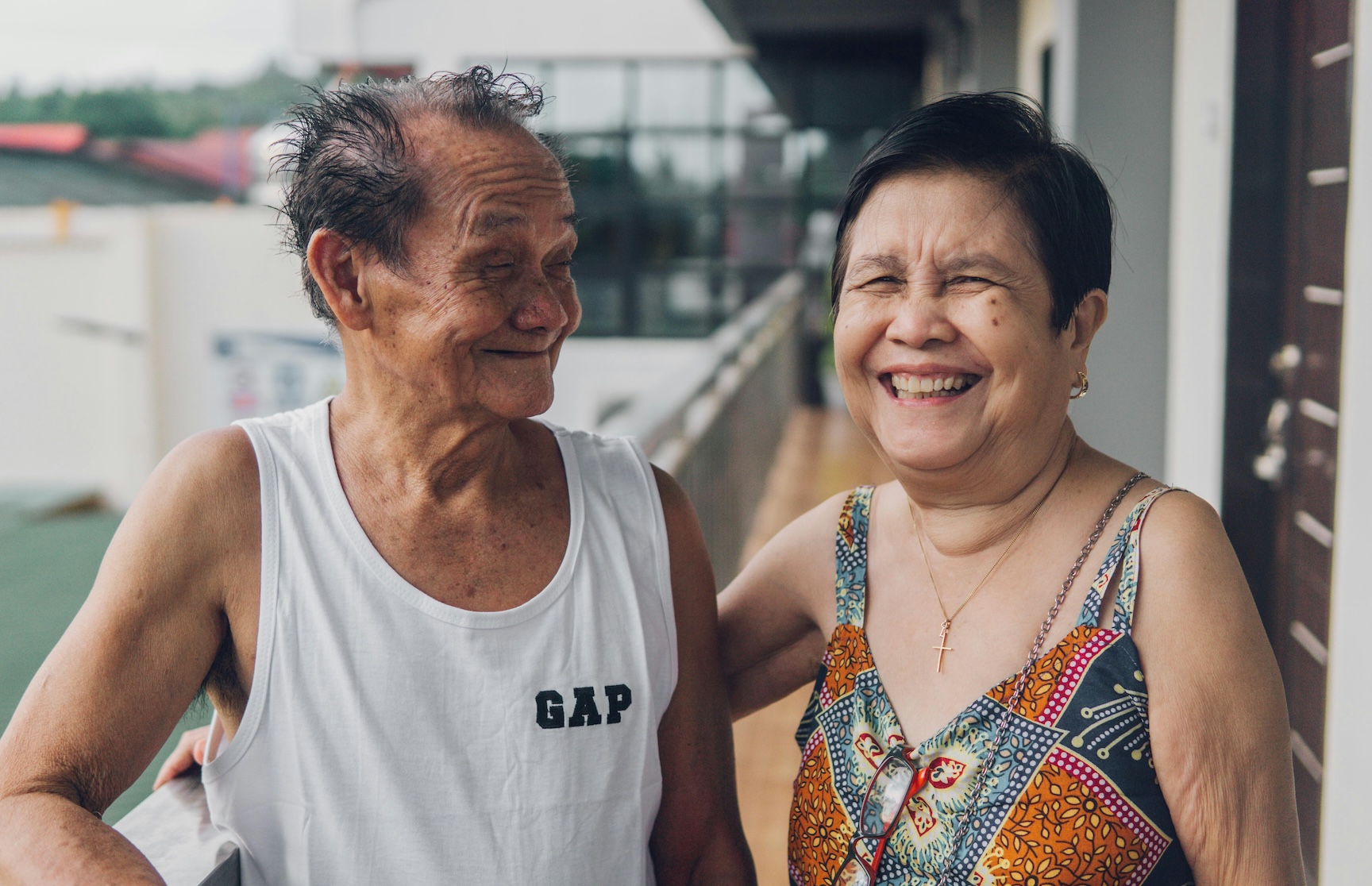
Photo by Deedee Geli on Unsplash
References:
World Health Organization (WHO). World Report on Social Determinants of Health Equity. 2025. https://www.who.int/teams/social-determinants-of-health/equity-and-health/world-report-on-social-determinants-of-health-equity
Macrotrends. Philippines Life Expectancy 1950–2025. 2024–2025. https://www.macrotrends.net/countries/PHL/philippines/life-expectancy
World Health Organization (WHO). Philippines Country Health Profile. 2025. https://www.who.int/countries/phl/
Manulife Asia Care Survey. Filipinos Redefine Aging and Prioritize Quality of Life. January–February 2025. Manulife Philippines. https://www.manulife.com.ph
Philippine Statistics Authority (PSA). Human Development Index by Region. 2023–2024. https://psa.gov.ph
Longitudinal Study of Ageing and Health in the Philippines. 2026. Health disparities across education and socioeconomic groups. https://www.sciencedirect.com/science/article/pii/S1877574625000140
World Bank. Life Expectancy at Birth — Philippines. 2024–2025.