
In a world that measures wellness in steps, calories, and productivity charts, we often forget something quietly essential: human beings are wired for stories, music, and shared moments.
Long before wellness became an industry, art was already doing the work—helping people regulate emotions, process experience, and feel less alone. When we sit in a theater, listen to music, or allow ourselves to be moved by performance, something subtle but powerful happens in the body and mind.
We slow down.
And soften.
We remember.
The Science Behind Feeling Moved
Research in psychology and neuroscience shows that music and storytelling activate multiple regions of the brain at once—including those responsible for emotion, memory, and social connection. Live performance, in particular, adds a layer that screens cannot replicate: shared presence.
When people experience art together, studies show increases in:
- emotional resonance
- feelings of belonging
- empathy and mood regulation
This isn’t indulgence. It’s biology.
The brain releases dopamine during pleasurable musical moments. Oxytocin—often called the “bonding hormone”—rises during shared emotional experiences. Stress markers like cortisol can decrease when we feel absorbed and emotionally safe.
In simple terms: art helps the nervous system reset.
Nostalgia Is Not Escapism—It’s Integration
Nostalgia is often misunderstood as living in the past. In truth, psychologists describe it as a self-regulating emotion—one that helps people maintain a sense of identity, continuity, and meaning.
When a familiar song plays, when a story from youth is retold on stage, the brain reconnects past and present. This integration can:
- improve mood
- strengthen emotional resilience
- counter feelings of loneliness
Nostalgia reminds us that we have lived, loved, and survived before—and that matters.
Why Live Theater Feels Different
Unlike digital content, live theater demands presence. Phones are down. Attention is undivided. The body settles into a shared rhythm with others in the room.
For two hours, we are not multitasking.
We are simply there.
This state—what psychologists call absorbed attention—is associated with reduced anxiety and improved emotional clarity. It’s similar to mindfulness, but with music, color, and collective breath.
In an age of constant stimulation, this kind of focus is rare—and deeply nourishing.
READ: Bagets the Musical: Why We Need to Remember How to Feel Young Again
Wellness Beyond the Checklist
At Joyful Wellness, we talk often about prevention and informed choices. But wellness is not only about avoiding illness. It is also about cultivating vitality, meaning, and joy.
Art reminds us that:
- rest can be active
- joy can be productive
- beauty can be restorative
Watching a musical, attending a play, or listening to live music is not “time off from wellness.” It is wellness—especially when it reconnects us to parts of ourselves that daily life neglects.
Why January Is the Perfect Time for This Kind of Care
January carries a particular emotional weather. The Northeast monsoon—or Amihan—brings cooler air, quieter evenings, and an inward pull. It’s a month for reflection, not rush.
This is when art matters most.
Instead of filling every moment with self-improvement, January invites us to feel before we fix. To remember before we reinvent. To choose experiences that replenish rather than demand.
A Gentle Invitation
You don’t need to analyze every performance.
You don’t need to justify enjoyment.
Sometimes, the most caring thing you can do for yourself is to sit in a room with strangers, let the lights dim, and allow a story to remind you what it feels like to be human.
Wellness is not always quiet.
Sometimes it sings. Or it dances.
Sometimes it takes a bow.
READ: Two generations of ‘Bagets’ come together for musical’s opening night
The Joyful Wellness Perspective
At Joyful Wellness, we believe that health is not sustained by discipline alone. It is sustained by connection, meaning, and moments of shared joy.
Art gives us permission to pause, to feel deeply, and to return to life a little lighter. And in a world that often asks too much, that lightness is not trivial—it is essential.
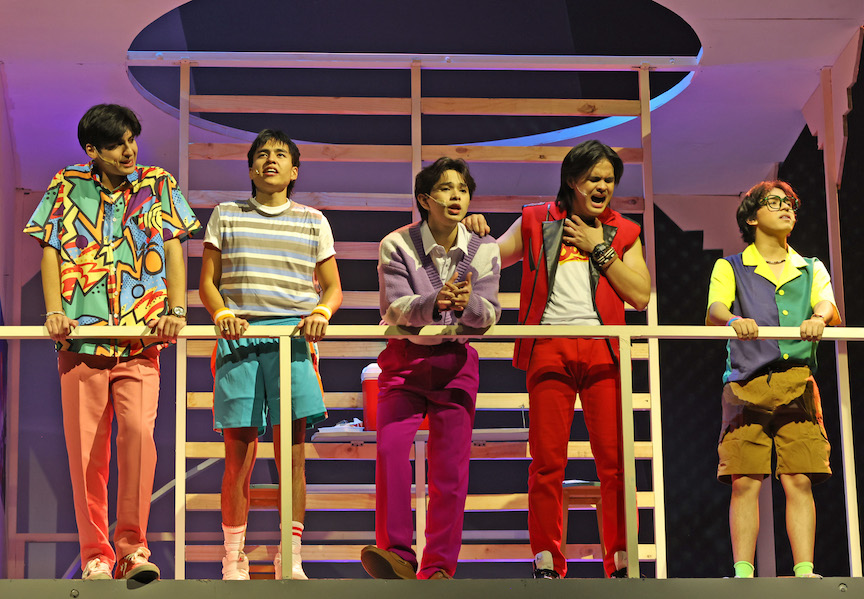
Photo by Walter Bollozos_Philippine Star
References & Further Reading
- British Journal of Psychiatry – The impact of arts engagement on population health
Highlights how participation in arts and culture is associated with improved mental well-being and reduced stress. - Frontiers in Psychology – Music, emotion, and the brain
Explains how music activates emotional and reward centers in the brain, supporting mood regulation. - Journal of Positive Psychology – Nostalgia as a psychological resource
Discusses how nostalgia supports emotional resilience, identity, and a sense of meaning. - National Endowment for the Arts (NEA) – Arts, Health, and Well-Being
Summarizes evidence on how live arts experiences contribute to emotional and social health. - Harvard Health Publishing – How music and art affect the brain
Accessible overview of how creative experiences influence stress levels and emotional health.
This article draws on findings from neuroscience, psychology, and arts-in-health research on how music, storytelling, and live performance contribute to mental and emotional well-being.